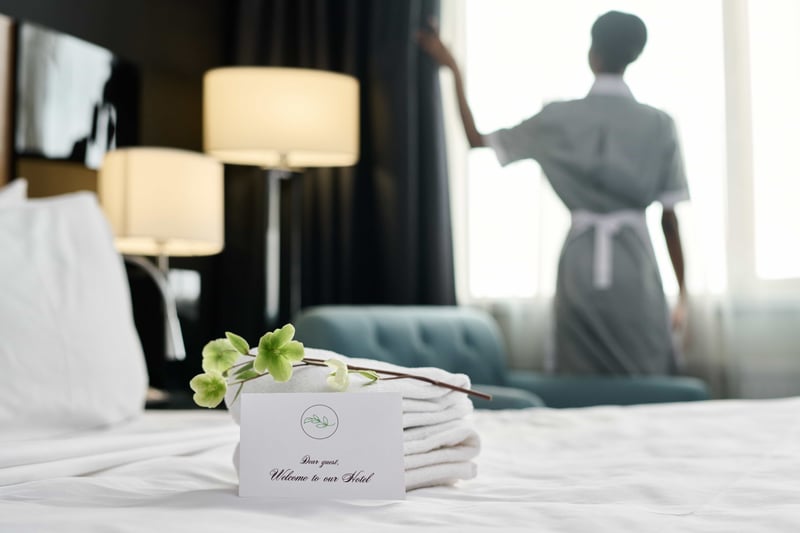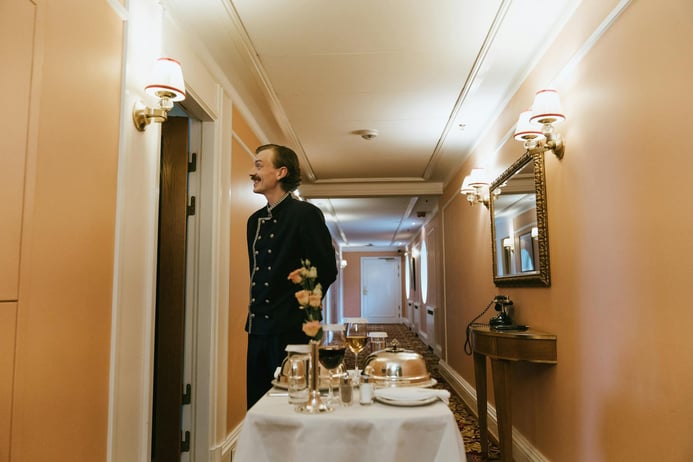
Guest experience is the sum of every interaction a guest has with your business, from the moment they discover your property to the moment they leave a review.
The difference between a forgettable visit and a lifelong loyal guest rarely comes down to pillow menus or room service speed; it’s all about how your guests feel. The brands winning today are the ones creating experiences guests can't stop talking about.
Delivering exceptional guest experience means going beyond the transactional, and crafting moments that resonate, stories that stick, and interactions so attuned to the individual that guests feel genuinely seen.
This is what ultimately builds the kind of loyalty that drives repeat bookings and glowing reviews. This article helps hoteliers to understand how to deliver exceptional guest experiences, and the role storytelling and personalization play in making it happen.
Key Takeaways
-
Guest experience vs customer service: Customer service is a single touchpoint; guest experience is the entire journey from first search to post-stay follow-up.
-
Personalization is a spectrum: It ranges from remembering a guest's name to anticipating needs before they are voiced.
-
Storytelling is vital: It shows up in design, staff behavior, menus, and the details that give a property a coherent sense of identity.
-
Technology is infrastructure: It enables personalization at scale but doesn't replace the human judgment that makes it feel genuine.
-
Staff are the biggest variable: Trained, trusted, and empowered frontline employees are a property's most valuable personalization asset.
-
Good reviews compound: Online reviews are a direct readout of how well guest experience principles are being applied, and one of the most useful feedback loops available.
What Is Guest Experience Management?

Guest experience management refers to how hospitality businesses design, monitor, and improve the overall journey a guest has with their brand. Unlike customer service, which focuses on individual interactions or resolving issues, guest experience looks at the entire relationship between the guest and the property.
This includes interactions with staff, the physical environment of the property, and both the tangible and intangible elements that shape a stay. Factors such as cleanliness, room quality, courteous service, efficient communication, and cultural sensitivity all influence how guests perceive a hotel.
Small moments also play an important role. A smooth check-in, thoughtful follow-up message, or attentive staff interaction can shape how a guest remembers their stay. Ultimately, guests tend to remember how a hotel made them feel rather than just the services they received.
For this reason, guest experience management is applied across the entire journey: pre-arrival, arrival, the stay itself, and post-stay engagement. When done well, it helps hotels build stronger emotional connections that encourage repeat visits and recommendations.
Why It Matters
People have options. A lot of them. The traveler booking a weekend stay today has access to more properties, more reviews, and more price comparisons than any generation before them, and they're making decisions based on all of it.
Getting guest experience right builds reputation, earns loyalty, and creates the kind of word-of-mouth no advertising budget can replicate. Satisfied guests come back, recommend you to friends, post the photo, and leave the five stars.
Younger travelers have raised the bar further. Millennials and Gen Z are drawn to brands that demonstrate genuine care, cultural awareness, and a real willingness to treat them as individuals rather than booking numbers.
Forward-thinking hospitality brands have responded by treating guest experience as a strategic investment rather than an operational line item. That starts with truly knowing your guest, their preferences, motivations, and the moments that matter most to them.
So what actually separates a forgettable stay from one guests can't stop talking about?
What Guests Really Want
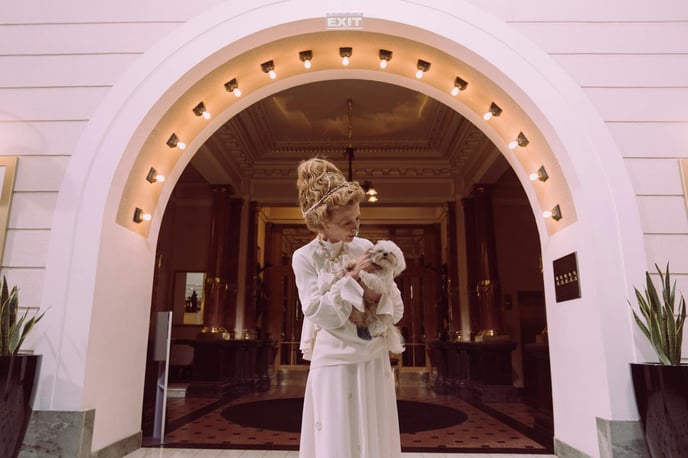
Strip away the loyalty programs, the pillow menus, and the Instagram-worthy lobbies, and what guests are really after is surprisingly consistent: they want to feel like they matter. Recognition is a big part of this.
Simple things like being greeted by name, having a dietary preference remembered from a previous stay, receiving a room upgrade without asking for one, signal to a guest that someone was paying attention. That feeling of being seen is powerful, and it tends to outweigh almost every other factor in how a stay is remembered.
Ease matters too. Guests notice friction. A clunky booking process, slow check-in, or a request that falls through the cracks, for instance. When things flow smoothly, it fades into the background, which is exactly where good operations should be.
Human connection remains irreplaceable, even as digital touchpoints multiply. A warm, genuine interaction with a staff member carries a weight that no chatbot or app notification can match.

Streamlining the Guest Journey
The customer journey map, a tool borrowed from broader customer experience strategy, charts every interaction a person has with a brand from first awareness through to post-purchase.
In hospitality, it finds perhaps its most natural home. Few industries offer such a clearly defined arc of touchpoints, or so many opportunities to make a guest feel genuinely cared for at each one.
Discovery
This is where the story begins, and first impressions here are formed without a single member of staff being involved. A traveler stumbles across your property through a search engine, a social media post, a friend's recommendation, or a listing on a booking platform.
What they find in those first few seconds; the quality of the photography, the clarity of the messaging, the tone of the reviews, shapes their perception before they've even clicked through to your website. Getting discovery right means being visible in the right places and compelling enough to make someone stop scrolling.
Consideration

The guest is interested, but not yet convinced. They're reading reviews, comparing rates, watching the virtual tour, and quietly asking themselves whether this property feels right for the trip they have in mind. This stage is less about dazzling and more about building trust.
Accurate descriptions, honest photography, and a website that actually answers questions all do quiet but important work here. Hesitation at this stage rarely announces itself; guests simply move on. The properties that convert consideration into bookings are the ones that make the decision feel easy and the choice feel confident.
Booking
Friction at the booking stage is one of hospitality's most preventable problems. By this point, a guest has already decided they want to stay, the job now is simply not to get in the way. A clunky reservation system, an unexplained fee, or a confirmation email that raises more questions than it answers can introduce doubt where there was none.
The booking moment is also an early opportunity to begin personalizing the relationship: asking about the purpose of the trip, offering room preferences, or simply setting a warm, human tone in automated communications.
Pre-Arrival
The stay hasn't started, but the experience has. Pre-arrival communication is one of the most underused tools in hospitality, and one of the most effective. A well-timed email that helps a guest plan their itinerary, suggests a dinner reservation, or simply lets them know their room is ready early transforms anticipation into genuine excitement.
It also signals something important: that the property has been thinking about this particular guest, not just processing their booking. That distinction, subtle as it sounds, lands with people.
Arrival
Everything the guest has read, seen, and imagined about the property meets reality the moment they walk through the door. Arrival is the experience's most emotionally loaded touchpoint, and it rewards investment.
A warm, unhurried welcome from staff who seem genuinely pleased to see them sets a tone that carries through the entire stay. Conversely, a queue, a distracted receptionist, or a room that isn't ready on time can cast a shadow that's difficult to shake.
On-Site
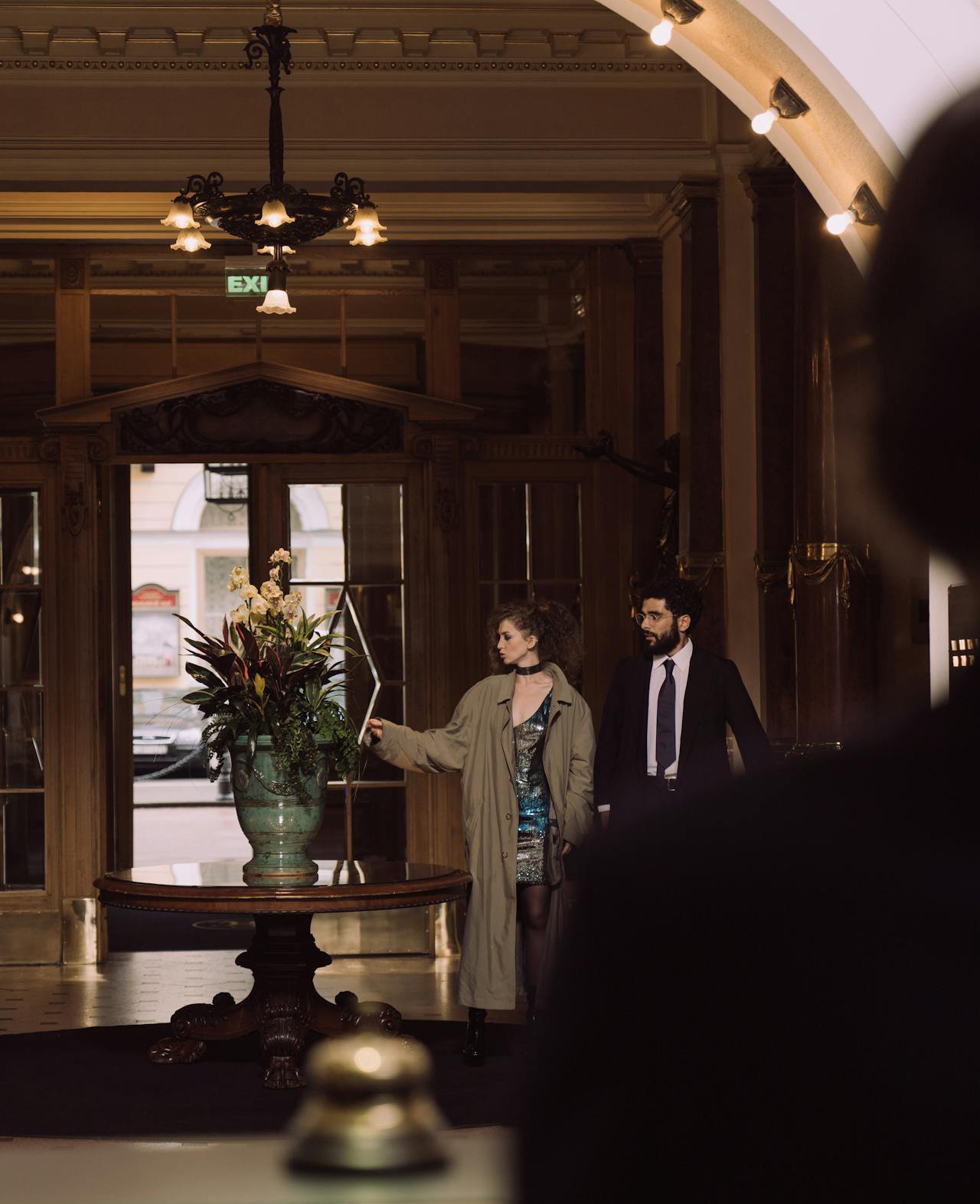 This is the longest chapter and the one with the most variables. On-site experience spans everything from the quality of sleep to the responsiveness of housekeeping, from the food and beverage offering to how staff handle an unexpected problem.
It's where personalization either comes to life or falls flat, where ambiance either holds up or reveals its cracks. The properties that consistently excel here tend to share one trait: staff who are empowered to act on what they notice, without needing to escalate every decision up the chain.
Departure
Departures are easy to underestimate because the hard work feels done. But the end of a stay is what guests carry with them into the review they're about to write and the conversation they'll have on the way home.
A smooth, unhurried checkout, a genuine farewell, and small gestures that acknowledge the stay; these things cost very little and land disproportionately well. Departure is the last sentence of the story. It deserves the same care as the opening line.
Post-Stay
The guest has left, but the relationship hasn't ended. A thoughtful follow-up email, a well-crafted survey that shows the property actually intends to act on the feedback, or a loyalty reward that acknowledges the visit all signal that the guest matters beyond their invoice.
Post-stay is also where reputation is made or managed — reviews are written here, recommendations are made here, and return bookings are decided here. The brands that treat post-stay engagement as an afterthought are leaving some of their most valuable guest interactions on the table.
Storytelling in Guest Experience Management
Storytelling is the deliberate, consistent use of narrative to shape how a guest emotionally connects with a place, and it plays out in details most guests absorb without ever consciously registering them.
The choice of materials in a lobby, the music at check-in, the way a team member speaks about the local area and features of the facility; all of it contributes to your brand identity. Guests might not be able to articulate what they're responding to, but they sure do feel the difference.
Key Storytelling Frameworks
Every hospitality brand is, in effect, managing three narratives simultaneously.
The brand story communicates who the property is, its origin and character, through décor, tone, and the demeanor of its team. It shapes guest expectations before arrival, and the experience that either confirms or contradicts them once they're there.
The place story weaves the destination itself into the stay: its culture, heritage, and community. Done well, it gives guests the feeling of having experienced a location rather than merely slept in it.
Finally, the guest story is perhaps the most personal of the three. It has to do with recognizing that each visitor arrives with their own reason for being there, and that milestones, preferences, and emotional context are all material a thoughtful host can work with.
Practical Touchpoints

Storytelling doesn't require a dedicated moment or a formal gesture. For instance, a pre-arrival email that shares something genuinely useful about the destination, a welcome note that references the guest's occasion, or a menu that traces its ingredients to a named local supplier.
These are all small but deliberate ways of signaling that some thought went into the stay before the guest arrived. On-site, in-room materials and amenities carry more weight than most properties give them credit for.
A well-written card explaining the origin of a locally sourced product, or a staff member who can speak knowledgeably about the artwork in the lobby, adds texture without demanding anything from the guest.
Post-checkout communication, when it carries a personal touch rather than a generic survey link, keeps the connection alive without overstaying its welcome.
Pitfalls to Avoid
The fastest way to undermine a storytelling strategy is to make it feel like one. Guests are perceptive. Scripted enthusiasm, hollow brand language, and talking points delivered by rote all register as performance. And performance, however polished, tends to create distance rather than connection.
The other common mistake is volume. There's a temptation, particularly in properties with genuine heritage or a strong local identity, to share all of it: the history, the provenance, the carefully curated detail.
But guests didn't check in for a lecture. Lead with the experience, and let curiosity do the rest. The story worth telling is usually the one you don't have to force.
Personalization: Making Every Guest Feel Like the Only Guest
Modern travelers arrive with expectations shaped by years of algorithm-driven recommendations, tailored playlists, and retail experiences that seem to know what they want before they do.
Personalization, in other words, has been normalized far beyond hospitality. Which means guests notice its absence more acutely than ever. A stay that feels generic doesn't just underwhelm; it feels like a missed opportunity. Here’s what’s involved in getting there.
Data as the Foundation
Instinct alone isn’t enough to implement personalization. It relies on someone having recorded that a guest requested a foam pillow last time, or noticed a pattern in their dining orders, or flagged that they were traveling for a work conference rather than a holiday.
CRM and property management systems are what make that kind of institutional memory possible, turning individual observations into actionable guest profiles that survive staff turnover and inform every subsequent stay.
Pre-arrival forms and loyalty program data extend this further, offering a window into preferences before a guest has even arrived. The caveat worth taking seriously is trust.
Guests are generally comfortable with personalization when it feels helpful; they become uneasy when it feels surveillant. Collecting data is only half the job; using it with discretion and transparency is what keeps the relationship on solid ground.
Human-Led vs Technology-Led Personalization
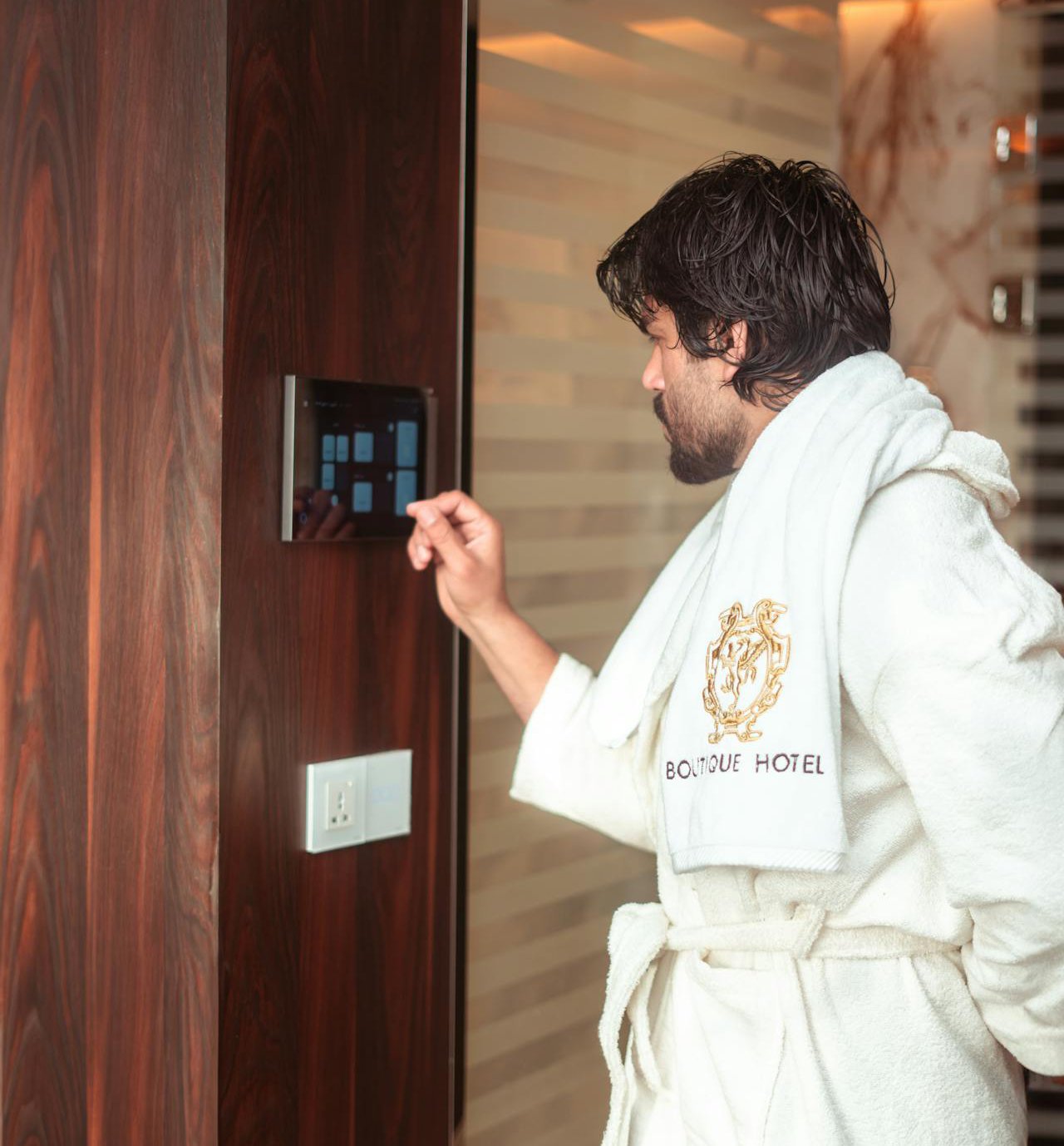
Technology has made personalization more scalable than it has ever been. AI-driven recommendation engines, digital concierge platforms, guest facing tech, and dynamic pricing tools can process guest data and surface relevant offers at a speed no human team could match.
For larger properties and chains managing thousands of guests simultaneously, these systems are less of a luxury and more of an operational necessity. But there's a ceiling to what technology can do on its own.
The most effective personalization strategies treat technology as infrastructure (the system that captures and organizes the information) and leave the actual delivery of that personal touch to people who have been trained and trusted to use their judgment.
Scaling Personalization
Independent properties and large hotel groups face the same goal but arrive at it from very different starting points.
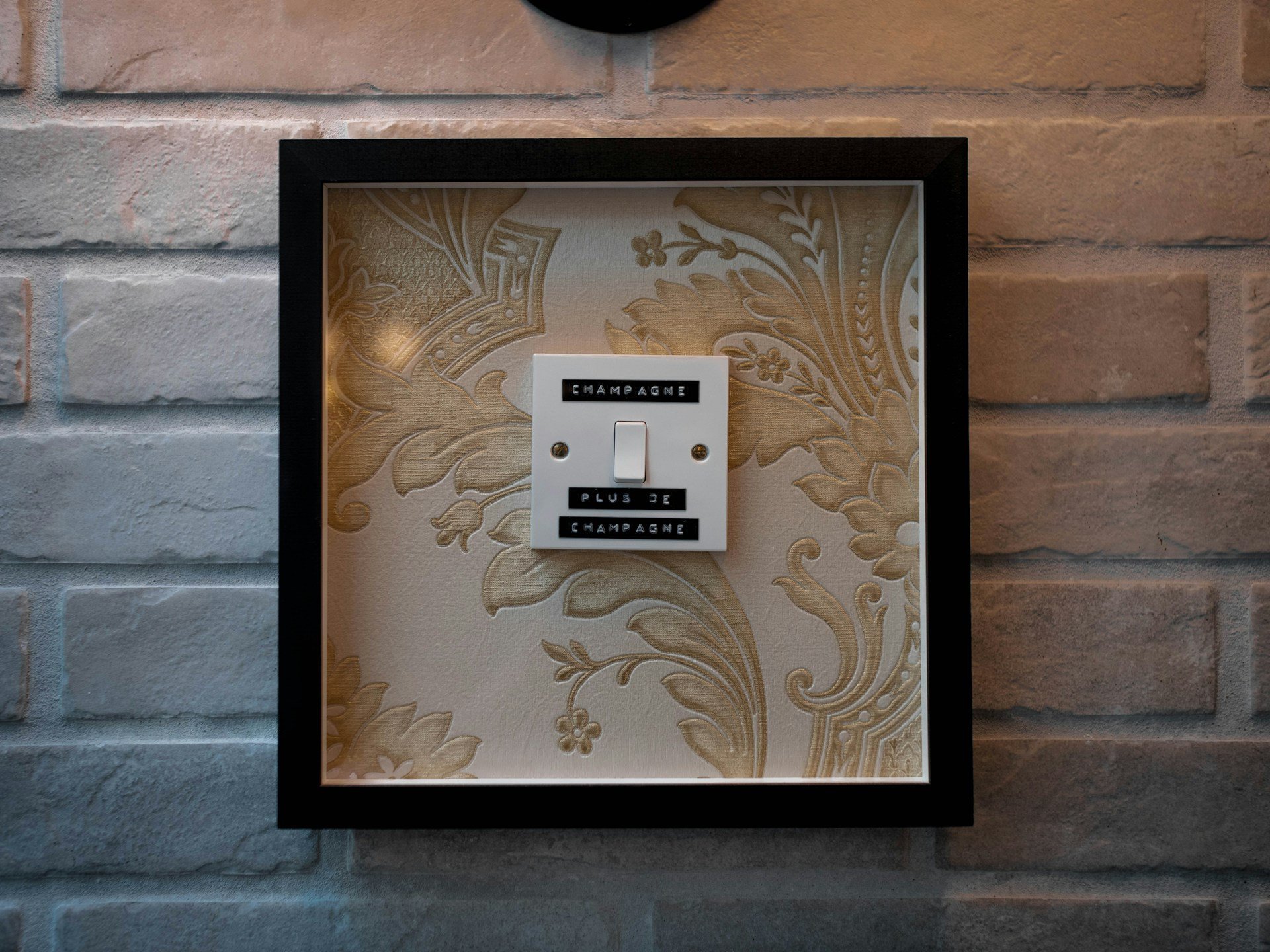
A boutique hotel with thirty rooms has an inherent advantage: staff know returning guests well, the general manager walks the floor daily, and the relatively small volume of guests makes genuine attentiveness manageable without much technological support.
The personalization is organic, and often the property's strongest selling point. For a chain operating across dozens of locations, that kind of organic familiarity doesn't scale.
This is where technology earns its place, not by replacing human connection, but by giving large teams the information they need to approximate it. A front desk agent at a 400-room property can still deliver a personal welcome if the system in front of them surfaces the right guest history at the right moment.
The risk, on both ends of the spectrum, is complacency. Small properties can coast on charm without ever formalizing what makes their guest experience repeatable. Large chains can over-invest in technology and under-invest in the training that helps staff actually use it well. Scaling personalization is less a question of size and more a question of intention.
Empowering Staff to Personalize Service
Systems and data can set the stage, but personalization is ultimately delivered by people, and people need room to actually do it. A front desk agent working from a rigid script has very little ability to respond to what's actually in front of them.
The guest who seems exhausted after a long-haul flight, the couple who mentions in passing that it's their first trip abroad, the business traveler who's clearly been here a dozen times. These are all cues that an empowered staff member can act on, and that a script-bound one will miss entirely.
Frontline staff are also the property's best source of personalization intelligence. They're the ones who notice that a guest always skips the restaurant and orders in, or that someone seems uncomfortable with too much interaction.
When that kind of observation gets captured and shared, it improves the experience for everyone involved, including the next team member who interacts with that guest.
The shift from scripted service to genuine hospitality requires trust in both directions. Management has to be willing to give staff the discretion to make small judgment calls without escalating everything.
And staff need to feel confident enough in the brand's values to know when a personal gesture is appropriate and when it might overstep. That confidence comes from training that focuses less on what to say and more on how to read a situation.
Frequently Asked Questions
The information above covers a lot of ground, but guest experience is a topic that tends to generate as many questions as it answers. What counts as a touchpoint? Where does good service end and great experience begin? How do you actually measure something as subjective as how a guest feels?
The questions below address some of the most common points of confusion; useful whether you're new to the discipline or looking to sharpen how you think and talk about it within your organization.
What are the 4 stages of guest experience?
The guest experience is typically divided into four stages: pre-arrival, arrival, stay, and post-stay. The pre-arrival stage includes booking confirmations, pre-arrival emails, and expectation setting. Arrival focuses on the check-in process and first impressions.
The stay stage covers all interactions during the visit, including room comfort, service quality, and amenities. The post-stay stage involves follow-ups, feedback requests, and loyalty engagement, which can influence whether a guest returns or recommends the property.
What is a guest experience job?
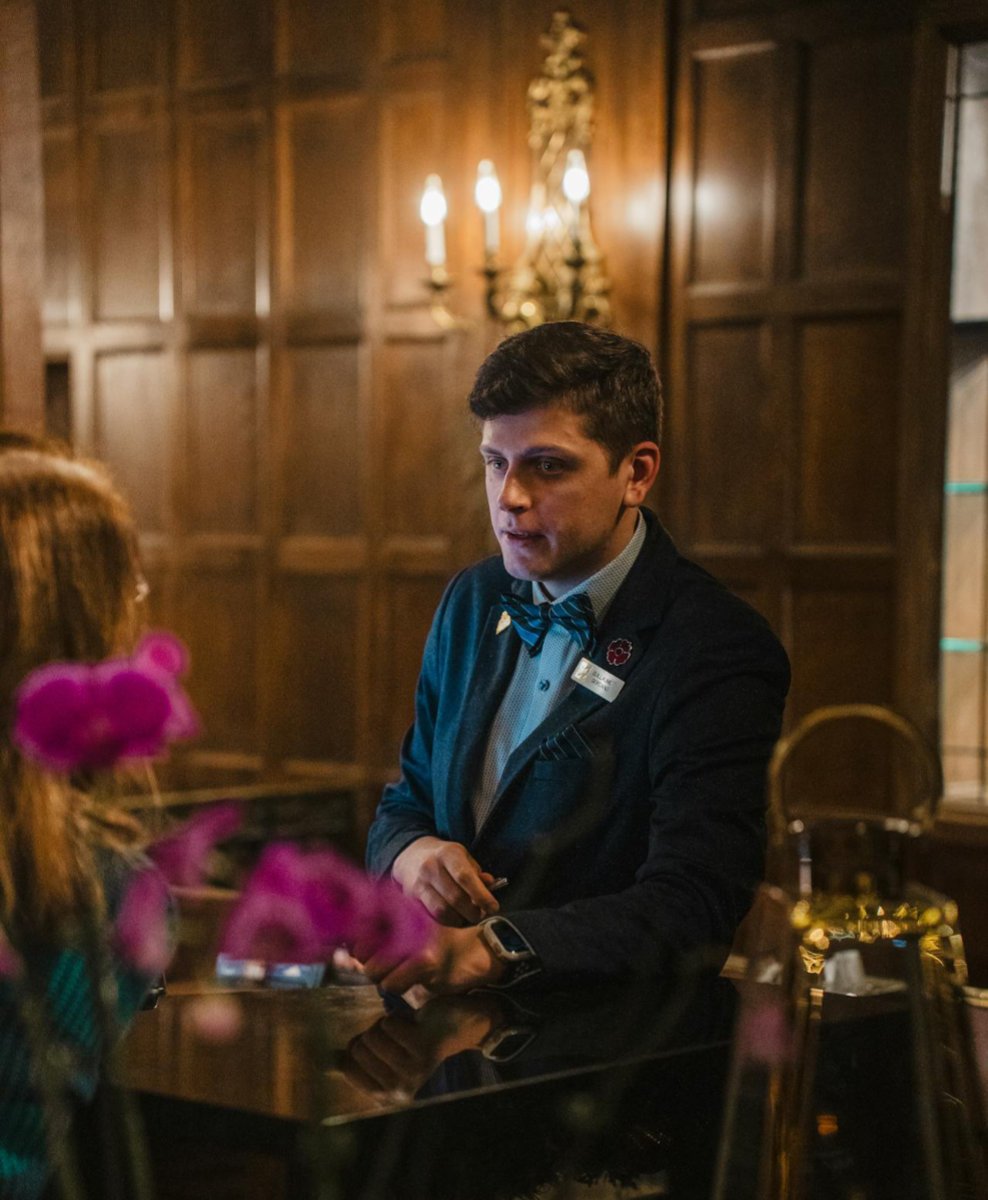
A guest experience job focuses on ensuring that visitors have a positive and memorable stay. These roles exist across hospitality settings such as hotels, resorts, and serviced apartments.
Responsibilities often include greeting guests, resolving issues, coordinating special requests, and personalizing services. The goal is to anticipate needs, address problems quickly, and create interactions that leave guests satisfied and likely to return.
How do hotels measure guest experience?
Hotels measure guest experience through a combination of guest feedback and operational metrics. Common tools include post-stay surveys, online review analysis, Net Promoter Score (NPS), and direct feedback collected during a stay.
Many properties also monitor indicators such as repeat bookings, complaint resolution times, and guest satisfaction scores. Together, these metrics help hotels identify service gaps and understand what aspects of the stay matter most to guests.
What is the difference between customer service and guest experience?
Guest service refers to the direct interactions between staff and guests, such as check-in assistance, concierge support, or handling requests. Guest experience is broader and includes the entire journey a guest has with a hotel, from booking to post-stay communication.
While good service contributes to a positive experience, guest experience also includes factors like room quality, ease of booking, property design, and overall atmosphere.
Bringing it All Together

Storytelling and personalization are not separate initiatives to be handed off to marketing and operations respectively. They are two expressions of the same commitment: knowing who your guests are and giving them a reason to come back.
For hospitality leaders, the practical starting point is reputation. What guests say about a stay online is, in most cases, a direct reflection of how well these principles were applied. Monitor it closely, respond to it honestly, and let it inform where the experience needs work. The property that listens well tends to improve faster than the one that doesn't.