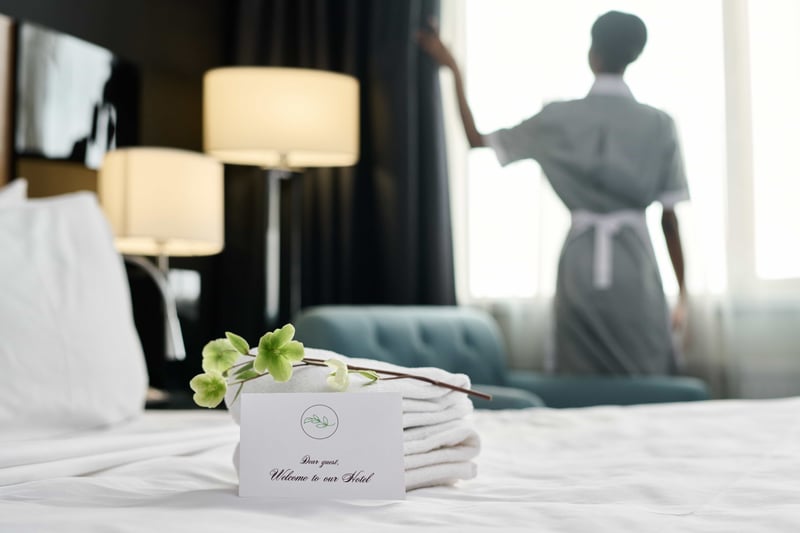
Today's hotel guests research, book, and review their stays almost entirely through digital channels. They expect room controls on their phones, answers to queries at any hour, and service that accounts for preferences they've never had to state out loud.
For hotels, restaurants, and travel operators, this change brings both opportunity and pressure. Guests compare experiences across apps, brands, and destinations, and they expect convenience at each step. Waiting in line to check in, calling the front desk for basic requests, or dealing with slow responses now feels outdated.
Digital transformation helps hospitality businesses respond to these expectations. It improves how information flows between guests and operators, streamlines routine processes, and supports more tailored services.
In many cases, it also enables a broader move toward servitization, where hospitality businesses focus on delivering complete guest experiences rather than simply providing accommodation or amenities.
Is Hospitality Ready for Digital Transformation?
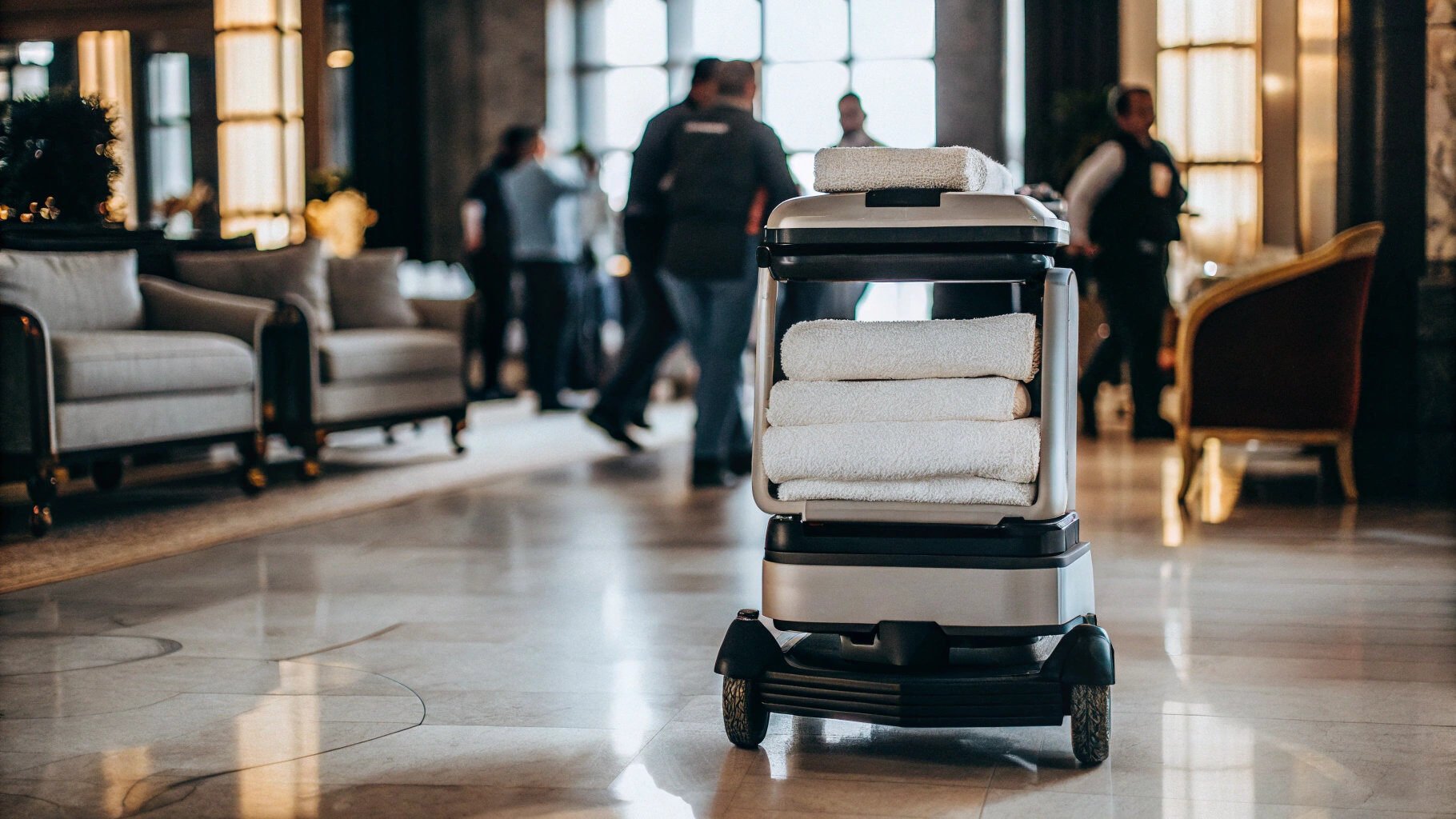
As various new technologies crop up and market disruptors get to their climax, businesses across various industries are faced with the need for a major overhaul. The hospitality industry is no exception. In 2023, the global hospitality market hit the $4.7 trillion mark and is forecasted to grow to $5.8 trillion in 2027 at a CAGR (Compound Annual Growth Rate) of 5.5 percent.
One of the factors driving this growth is the increased adoption of digital transformations. For instance, more restaurants are adopting various technologies to streamline the online food delivery process.
The accommodation service businesses are following the same trend. In a 2020 survey, on the main priorities of travel and hospitality companies, approximately 61% of the respondents stated that their priority was to adopt new technologies to better serve customers and/or suppliers.
The survey also revealed that 84% of the respondents had someone tasked with managing digital transformation. These stats are a testament to how dedicated the stakeholders in the hospitality industry are to digital transformation.
To stay ahead in the hospitality industry, hotel, f&b and leisure operators must stay informed about the latest cutting-edge technologies and be at the forefront of introducing premium features that will be embraced by their clients.
Additionally, they can gain an advantage by adopting similar technologies to their competitors. As digitalization increases, the hospitality industry will inevitably face disruption.
Digitization Driving Servitization
Servitization is typically defined as adding services to a product-focused business to provide customers with the desired outcome continually, often to the point where the business becomes solution-focused. Simply put, it entails selling entire solutions rather than just products.
This model first gained prominence in the 1980s as a way for manufacturers to strengthen their customer relations and differentiate themselves from competitors.
Even though it's mostly viewed in terms of manufacturing, servitization can also be applied to the hospitality industry to provide clients with consumer-centric products and services to meet their needs at all times.

How Digital Transformation is Fulfilling Customer Expectations
All industries are grappling with rapid change as well as the exponential technological advancements driving customer needs. To keep up with these dynamics, hotels are majorly focusing on three areas in their digitalization journey:
- Digital customer engagement: Open communications on the platform of their choosing at any time.
- Mobility: Changing ways of getting from A to B concerning comfort, speed, experience, and the environmental impact;
- Connectivity: Use of smart objects -or, the Internet of Things (IoT)- to enhance customer service and experience at every moment.
Lodging, travel and, hospitality businesses that emerge as frontrunners in these areas tend to have a better bottom line.
Simply emphasizing digitalization alone won't guarantee success, especially in the hospitality market where customer satisfaction is crucial. It's important to make sure that digital tools are utilized to serve customers' needs and enhance their experience.
As digital transformation progresses and new hospitality tech trends emerge, a few key disruptors remain the most significant contributors, aiding hospitality businesses to better serve their customers.
AI Influx
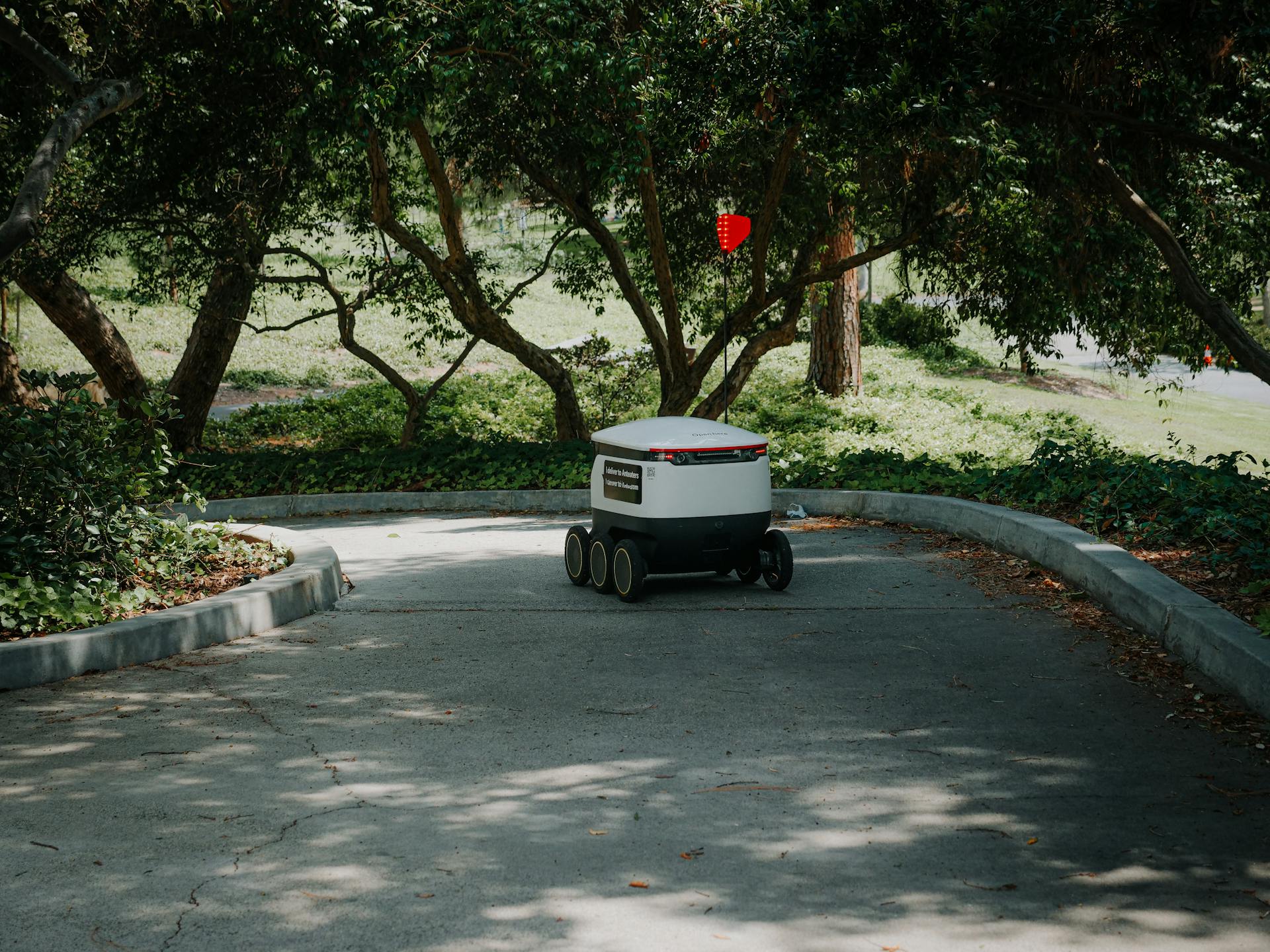
AI solutions with ML (machine learning) algorithms analyze big data to provide accurate estimates for various risk management. In doing so, they enhance the decision-making capabilities of various businesses.
AI also comes in handy in the servitization of the hospitality industry. One way it does this is through the increased use of chatbots. AI-driven chatbots are designed to improve guest experiences in several ways.
For instance, they analyze data from various sources (guest interactions with the hotel, food preferences, purchase history, spa, and amenity usage, etc.) to help hotel operators provide a more personalized experience to their guests.
When more data is available for the chatbots to learn from, it becomes easier for a restaurant to provide customized services to its customers.
Besides that, chatbots have a quick response time. As such, guests can receive answers to various questions quickly the same way they would when speaking with a knowledgeable person face-to-face.
IoT: Smart Rooms, Tablets, and Beacons
Just like with any other industry, hotel and restaurant guests expect a seamless experience - this experience should be available right from when they are making their bookings to when they are being provided with various hospitality amenities.
The level of technology at each of these stages should be advanced or at least be at par with what the customers have at home. For instance, they should be provided with remote control for devices like air conditioners so that they can easily operate them without moving about.
One way IoT facilitates servitization is through the introduction of smart rooms. Today, most hotels have smart rooms. These rooms enable guests to control amenities and order any service through the hotel's voice assistant application or mobile apps.
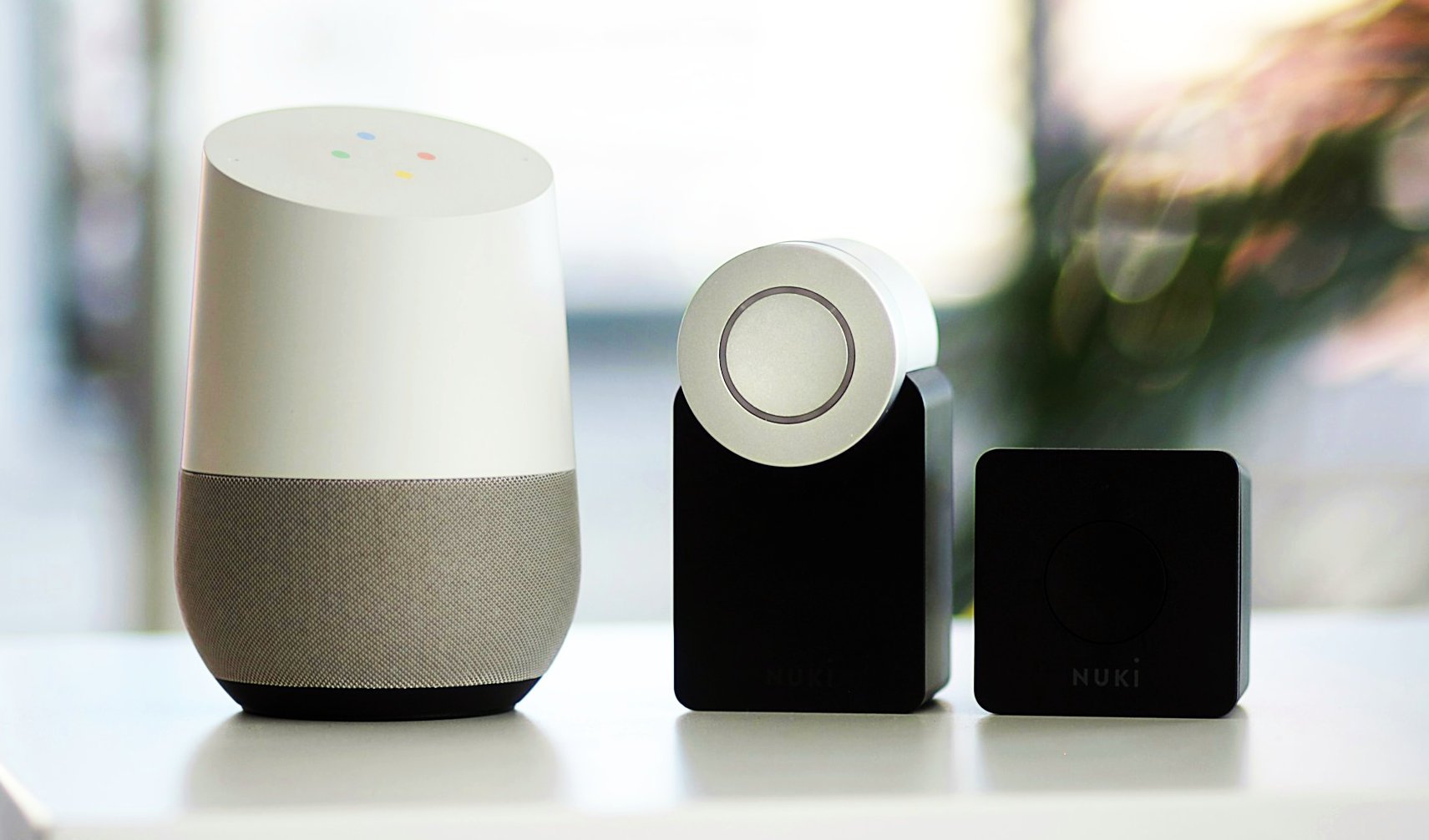
In these smart rooms, media sets, window shades, lights, air conditioners, and other hospitality amenities are supplied with embedded software and ultra-compact IoT hardware capable of communicating with speech recognition-powered voice assistants and the hotel app
This application allows guests to control various amenities easily; it operates as a universal remote where, with just a few clicks, you get whatever you need. The smart rooms also have iPads that guests can use to make digital orders from on-site bars and shops and purchase tickets to city events, among other uses.
The adoption of motion sensors in the hospitality industry is another way digital transformation is improving customer experience. This technology helps indicate which rooms are occupied and which are empty. As such, it not only helps reduce friction between guests but also ensures the timely upkeep of rooms.
Today, many hotels offer multi-bedrooms and villas. Previously, controlling various amenities in such an accommodation setting was somewhat challenging. Now, by using smart room apps, guests can easily and intuitively control different amenities in different rooms.
As a result, they won't have to move around a lot given the control that the smart app gives them. To top it off, the data gathered by the smart room apps can be used by hotel operators to address the specific demands of each guest and fine-tune the guest experience.
AR (Augmented Reality) and VR (Virtual Reality)
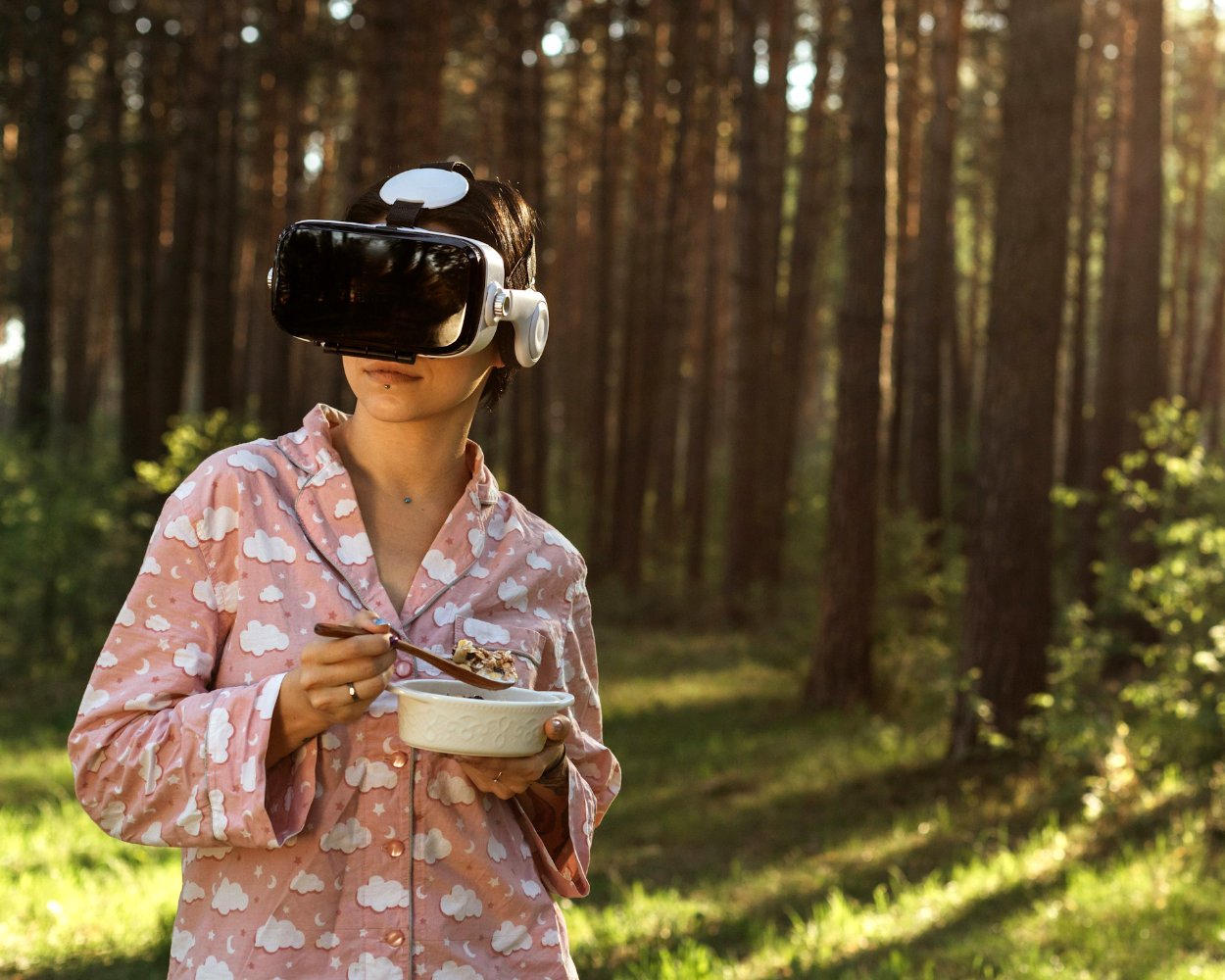
Let's face it, not all the pictures of hotel rooms and exteriors tell the full story to guests when they make online bookings. As such, it is not unheard of for guests to make online bookings and end up disliking the hotel when they check in.
The purchase of the right-to-use property should be treated like any other online purchase. Ultimately, guests want to see what they are purchasing, especially if the hotel is far from their home and is expensive. This is where AR and VR come in.
Today, many hotels capitalize on virtual tours to give their guests a sneak peek of what they should expect. Videos providing a 360-degree view of the hotel and restaurant ambiance, and hotel beachfront locations, among other sceneries are provided for customers to help them make an informed decision.
In essence, through augmented reality and virtual reality, guests can now look up an establishment to decide whether it's ideal for them. This helps reduce guest dissatisfaction rates.
Data Analytics and Personalization at Scale
Hotels collect a substantial amount of guest data already, most of it sitting underused across disconnected systems.
When a property management system talks to a CRM, and that CRM connects to F&B, spa, and housekeeping platforms, patterns emerge quickly: which guests always request a high floor, who orders the same breakfast, who checks in late and doesn't want to be disturbed.
Acting on that data before the guest has to ask for anything is what moves a stay from competent to memorable.
The operational upside is just as concrete. Predictive analytics helps with occupancy forecasting, dynamic pricing, and kitchen inventory, reducing the guesswork that tends to eat into margins.
A restaurant that knows Friday covers will run 20% above Thursday's doesn't over-order and doesn't run short. Intuition helps, but when backed up with data, it surfaces the right information to the right person at the right time, with surgical precision.
Contactless Technology and Mobile-First Experiences

Guests have grown comfortable managing most of a hotel stay through their phones, and the infrastructure to support that is now widely available and relatively affordable to implement.
Mobile check-in, digital room keys, and in-app service requests reduce front desk queues and give guests more flexibility around arrival times, which is a consistent friction point in traditional check-in models.
The operational argument for contactless tech is often understated. When a guest submits a maintenance request or a service complaint through an app rather than at the desk, it gets logged, assigned, and tracked automatically.
Staff spend less time fielding phone calls and more time resolving actual issues. Response times improve not because staff are working harder, but because the workflow is better structured. That's a practical efficiency gain, and it compounds across a busy property.
Digitalization as Part of a Customer-Centric Transformation
The desire to explore a plethora of technologies out there and adopt a couple of them into existing services as a servitization method is an ongoing trend in the hospitality industry. That said, if servitization is to be truly successful, it must be built with the customer in mind.
A customer-centric transformation requires that businesses engage with users to find out their needs. They should also consider the whole value chain. Among the questions they should ask themselves before adopting a technology include:
- What are our customers' expectations and how can we meet them?
- What touchpoints can we identify and how can we improve the customer experience?
- What do our customers like about us and how can we improve on this to enhance their experience?
- What problems are our customers facing and how can we help solve them?
- Can we achieve any of these through better digitalization?
Adopting Tech That Increase Revenue
While the prevailing market conditions demand that players in the hospitality industry adopt various technologies to better their services, the players should not digitize just for the sake of it but rather adopt those technologies that increase their market pull and improve their bottom line.
This means addressing trade-offs and adopting a zero-waste approach to corporate digital transformation. It means adamantly refusing to create services that no one wants.
It also means establishing a firm value creation policy and acknowledging that not all the services you offer will be appreciated by everyone.
Decide what you want your hospitality business to be all about and stick by it so long as you are satisfying your customers' needs. This will ensure that you stand out from the crowd while still maintaining your edge.
The customer experience is undoubtedly enhanced by digital transformation. However, by offering personalized solutions through servitization, we can reduce some of the stress that comes with the digital world. By executing digital transformation in a way that facilitates servitization, we can achieve remarkable improvements in the customer experience.
Bringing it All Together
The hospitality businesses investing seriously in digital transformation aren't doing it to appear modern. They're doing it because the guest expectation baseline keeps rising and the cost of falling short, in reviews, in repeat bookings, in RevPAR, is real and measurable.
The technologies covered here each address a specific operational or experiential gap. Used well, they give operators better information, leaner workflows, and more capacity to deliver service that guests actually notice. The underlying goal is straightforward: use better tools to run a tighter operation and give guests fewer reasons to look elsewhere.