Inventory remains the most perishable asset in hospitality, yet hotel room type classification is often the most underutilized lever for growth. In the modern landscape, room categorization has transcended its origins as a back-of-house administrative setup to become a core revenue strategy. The way a property defines, segments, and markets its rooms now directly dictates its distribution efficiency, bottom line, and long-term asset value.
This transition from legacy room types to a dynamic, attribute-driven model reflects a broader industry move toward inventory agility. At the center of this shift is Attribute-Based Selling (ABS), a framework that allows hoteliers to deconstruct the traditional room grid and unbundle specific features, from high-floor views to specialized "sleep tourism" amenities.
By treating the guestroom as a fluid environment capable of functioning as a hybrid workspace, a wellness retreat, or an immersive local hub, revenue managers can more accurately forecast demand.
Ultimately, rethinking room inventory through strategic classification allows for the deployment of sophisticated pricing strategies that move the needle on Average Daily Rate (ADR) while aligning the physical product with modern traveler expectations.
Why Hotel Room Type Classifications Matter Today?
Strategically classifying rooms is vital to the entire hotel ecosystem. It directly impacts inventory management, housekeeping operations, and dynamic pricing models.
When rooms are categorized accurately, revenue managers can forecast demand with much more precision. This allows properties to implement targeted pricing strategies that maximize profitability during peak seasons and maintain occupancy during shoulder periods.
Beyond daily operations, hotel room type classification serves as a formidable marketing strength. Generic classifications like “Standard Room” force a property to compete solely on price.
Conversely, highly specific categories allow your marketing team to target distinct traveler demographics. By classifying a space as a “Wellness Room,” you instantly capture high-intent traffic from health-conscious travelers. Detailed classifications act as built-in marketing filters, helping you match the right guest with the exact experience they desire.

The Standard Framework: Traditional Types of Hotel Rooms
Before exploring advanced revenue models, establishing the foundational categories is essential. These standard classifications provide a universal language for global distribution systems, online travel agencies (OTAs), and hotel staff alike.
While these definitions form the baseline, the way a property positions and markets itself can significantly influence booking conversions.
Categorization by Occupancy and Bed Configuration
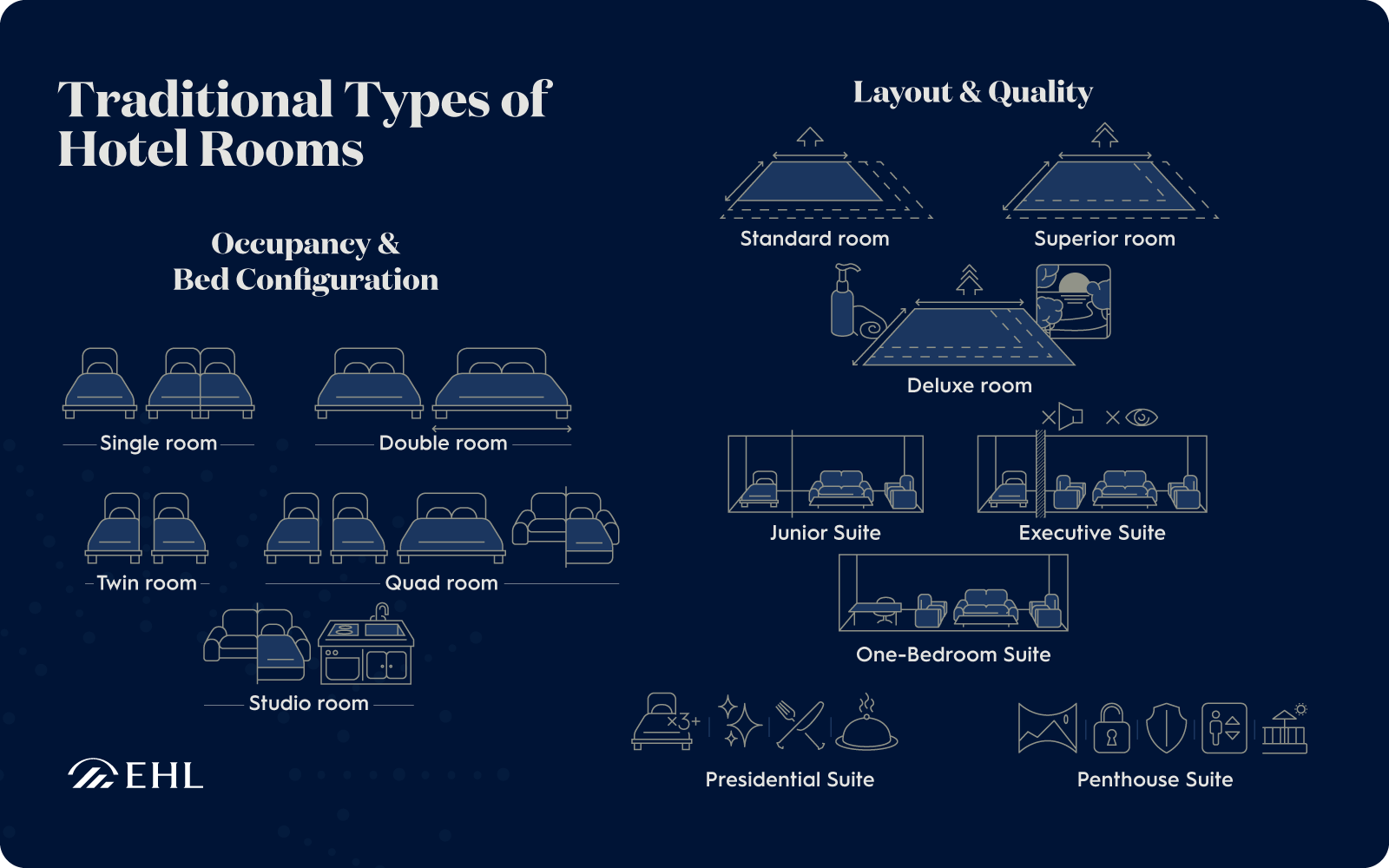
The most straightforward way to categorize inventory is by the number of rooms it can accommodate and the specific bed setup.
- Single Room: Designed for solo travelers, typically featuring a single or twin bed.
- Double Room: Accommodates two people, usually offering one double or queen bed.
- Twin Room: Designed for two guests but features two separate single beds.
- Quad Room: Geared toward groups or families, offering multiple beds or a combination of standard beds and pull-out sofas.
- Studio Room: A flexible space that often includes a kitchenette and a convertible bed, such as a studio couch.
Categorization by Layout and Quality
Beyond bed size, guests want to understand the spatial experience and the quality of finishes they are purchasing.
- Standard Room: The baseline offering of the hotel. It includes essential amenities and standard square footage, representing the bulk of the property's inventory.
- Superior Room: A step up from standard, offering slightly more space or a more desirable location within the property.
- Deluxe Room: These rooms showcase higher-end materials, premium amenities, and often boast the best views or highest floors.
Elevating the Experience: Types of Hotel Suites
When targeting high-net-worth individuals, VIP corporate clients, or guests celebrating special occasions, suites are a property's most valuable assets.
The different types of hotel suites allow hoteliers to capture premium rates and offer elevated, memorable experiences that drive brand loyalty.
From Junior Suites to Executive Spaces
These suite categories cater heavily to the bleisure traveler who requires fluidity in their accommodation.
- Junior Suite: A single, large room that visually separates the sleeping area from a small living or sitting area. It offers a taste of luxury without the full suite price tag.
- Executive Suite: Specifically designed for the traveling professional. It usually features a dedicated, ergonomic workspace and a separate living area for hosting small, informal meetings.
- One-Bedroom Suite: A premium layout where the bedroom is completely separated from the living room by a door, ensuring total acoustic and visual privacy.
Presidential and Penthouse Suites
These accommodations represent the absolute highest tier of hotel luxury.
- Presidential Suite: Often featuring multiple bedrooms, expansive dining areas, opulent decor, and exclusive services like a dedicated butler or private chef.
- Penthouse Suite: Located on the highest floor, offering panoramic views, ultimate privacy, and often exclusive elevator access or private rooftop terraces.
Trends Driving New Room Types
The way guests utilize physical space has fundamentally shifted over the last few years. To remain competitive, hoteliers must integrate modern lifestyle trends into their room inventory, leveraging hotel room innovation and strategic design to completely reshape the guest experience.
Tech-Driven Wellness and Sleep Tourism Rooms
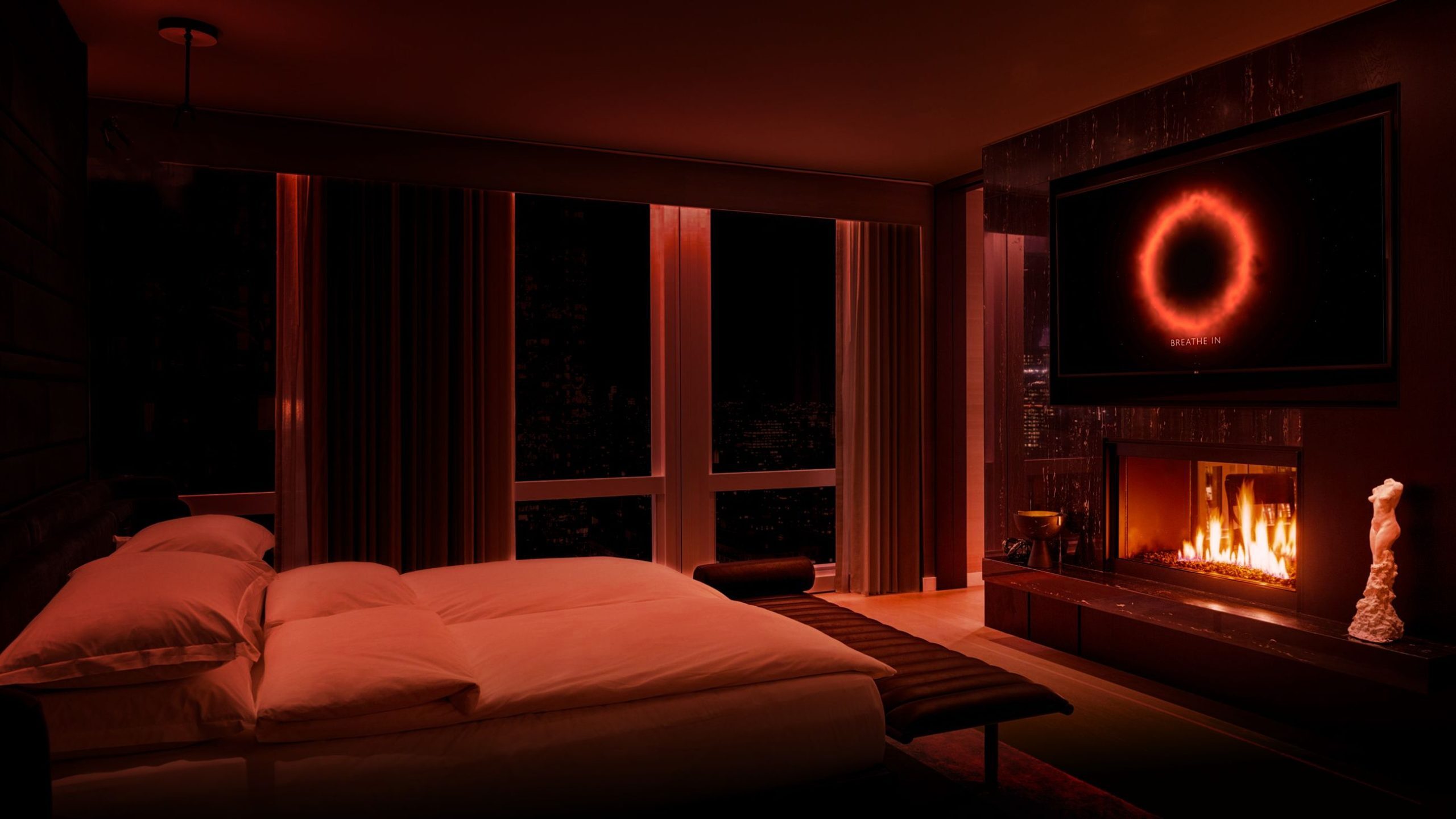
Image: Equinox New York Sleep Lab Room
Wellness has moved out of the basement spa and directly into the guest room. Travelers are actively seeking environments engineered for restorative rest, fueling the rapid rise of sleep tourism- a market estimated at USD 74.5 billion in 2024.
High-end brands have capitalized on this by turning the room itself into a science-backed wellness device. For example, Equinox Hotels engineered its specialized "Sleep Lab" rooms around a strict "Dark. Quiet. Cool." philosophy, utilizing medical-grade air filtration and intense acoustic isolation.
These hyper-specialized spaces feature AI-powered adaptive mattresses, circadian lighting automation, and contrast-therapy showers, designed to optimize human performance.
By offering these high-tech wellness rooms, hotels tap into a highly lucrative demographic willing to pay a premium for optimal health. Integrating these spaces aligns perfectly with the broader growth of wellness tourism and offers a major competitive advantage.
The Rise of Pet-Friendly Hotel Rooms

The pet-friendly hotel market reached $4.6 billion globally in 2025 and is projected to grow at a 12.2% compound annual growth rate through 2030.
This growth is fueled by the "humanization" of pets, with travelers expecting high-quality amenities for their companions. Offering dedicated pet-friendly rooms with custom dog beds, gourmet menus, and easy outdoor access is a proven revenue driver.
Industry reports show that dog-friendly hotels achieve significantly higher occupancy rates compared to non-pet-friendly properties. Furthermore, guests traveling with pets tend to stay an average of 1.5 days longer due to the logistical challenges of pet travel. Categorizing a segment of your inventory specifically for this market is a highly lucrative operational strategy.
Smart Room Technology and IoT Integration

Guests now expect the same level of technological convenience they enjoy at home. The integration of the Internet of Things (IoT) is transforming traditional accommodations into responsive smart rooms. Through mobile applications or voice-activated assistants, guests can control lighting, climate, and window shades without leaving the bed. Beyond convenience, smart hotel rooms provide hotels with valuable data on energy usage, allowing for automated temperature adjustments when the room is empty.
Innovative brands are leveraging this shift to redefine their room categories entirely based on tech amenities rather than traditional square footage. For example, YOTEL classifies its inventory as tech-forward "Cabins," featuring a motorized "SmartBed" that maximizes floor space by gliding from a lounging sofa to a fully flat bed at the touch of a button.
Similarly, the lifestyle brand citizenM standardizes its room sizes and focuses entirely on the digital experience. Every room is engineered around a bespoke "MoodPad" tablet that lets guests fully customize their ambient LED lighting, climate, and motorized blinds. Categorizing these high-tech spaces as "Smart Rooms" directly attracts digitally native travelers and corporate guests looking for a frictionless, hyper-connected stay.
The Room as a Destination: Unique Hotel Rooms as USPs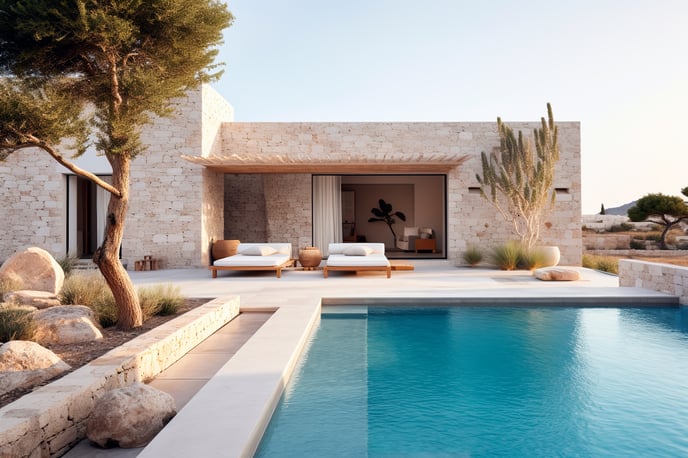
Pioneering brands like Aman Resorts disrupted traditional room hierarchies by introducing the pavilion-style villa. They completely changed how luxury space is perceived by elevating the bathroom to equal size and importance with the bedroom.
These unique accommodations use local materials to blend perfectly into their natural surroundings, offering a profound sense of place. When a hotel room offers a deeply immersive experience, guests are no longer just booking a bed; they are booking a destination within a destination.
The Future of Room Categories: Attribute-Based Selling (ABS)
For decades, the industry has relied on a rigid, one-size-fits-all approach. Guests were funneled into pre-packaged room categories like "Deluxe Ocean View."
Today, this model is being challenged by a highly effective retail strategy known as Attribute-Based Selling (ABS).
Unbundling the Hotel Room
ABS unbundles the room's features, allowing the guest to build their ideal experience. Instead of forcing a guest to book a generic category, they book a base room and pay extra for specific attributes.
Guests can choose to add and pay for guaranteed high floors, corner placements, balconies, or a soaking tub. This empowers the guest with choices, directly elevating their satisfaction and perceived value of the stay.
From a revenue perspective, the potential is massive. According to recent industry analyses by Phocuswire, unbundling enables properties to monetize features that were previously offered as free upgrades. This significantly boosts the ADR and drives higher profit margins per available room.
Technological Requirements for ABS
Implementing ABS requires a robust technological infrastructure. Hotels must utilize advanced, cloud-based Property Management Systems (PMS) capable of tracking individual room attributes rather than just fixed room numbers.
The booking engine must also be highly intuitive, guiding the guest through a modular selection process similar to booking an airline ticket, with add-on baggage or seat selection options. Investing in this technology is the first crucial step toward a more flexible, profitable inventory model.
Strategic Room Naming and Descriptions: How to Drive Direct Bookings
Beyond having a portfolio of room types, how a hotel names and describes its rooms can directly impact its revenue potential and search engine visibility.
Why Descriptive Room Naming Matters
Generic names like "Standard Double" do little to inspire a booking. They also fail to capture valuable long-tail search traffic from users looking for specific experiences.
Adopting a descriptive, benefit-driven naming convention is a highly effective marketing strategy. Use evocative language that highlights the room's best features, such as "Oceanfront Corner Suite" or "Poet’s Retreat."
This targeted approach aids in SEO and helps guests immediately visualize the unique value of their stay.
Crafting Room Descriptions That Convert
The psychology of a great room description relies on highlighting benefits rather than simply listing amenities. Instead of stating a room has a desk, explain that it offers a "sunlit, ergonomic workspace perfect for focused productivity." Instead of mentioning a bathtub, describe a "deep soaking tub designed for evening relaxation."
Transparency builds trust, and trust drives direct bookings. Combining these evocative, benefit-driven descriptions with high-quality photography is the ultimate way to enhance the perceived value of the room and maximize your conversion rates. Implementing strong revenue management strategies in conjunction with these upselling efforts creates a robust framework for sustained profitability.
Understanding the nuanced landscape of different hotel room types is essential for staying competitive in today's global hospitality market. By moving beyond outdated classifications, embracing modern trends such as sleep tourism, and implementing strategic naming conventions, properties can significantly boost direct bookings, elevate guest satisfaction, and maximize overall asset value.