Not all hotels are created equal. and we're not just talking about star ratings. The word "hotel" covers an enormous range of experiences.
That includes everything from a roadside motel off the highway to a private ski chalet where slopes are steps from your door, to a tropical resort where your wristband covers every cocktail and activity imaginable.
Understanding the different hotel types helps you book smarter, avoid disappointment, and find exactly the kind of stay your trip calls for.
Whether you're a road-tripper on a budget, a couple celebrating an anniversary, a family looking for a week of water-park chaos, or a business traveler organizing a conference, there's a category for you.
This guide provides a breakdown of the different types if hotels, grouped by what really matters: why you'd choose one.
Note: These categories aren't mutually exclusive; a destination resort may also be all-inclusive, a boutique property may have a world-class spa, and a ski hotel might run a casino. The best hotels blur lines deliberately.
01: Budget & No-Frills
Best for: Travelers who want a clean place to sleep without paying for amenities they won't use.
Sometimes you just need a bed, a shower, and a working Wi-Fi password. These hotels cut out the extras to keep costs low, and there's absolutely nothing wrong with that. Not every trip calls for a rooftop bar or a turndown service.
If your itinerary is packed with things to see and do, why pay for a spa you'll never visit? When the destination is the point, budget and limited-service hotels are your smartest, most sensible allies, freeing up money for the experiences that actually matter.
Hotel & Motel
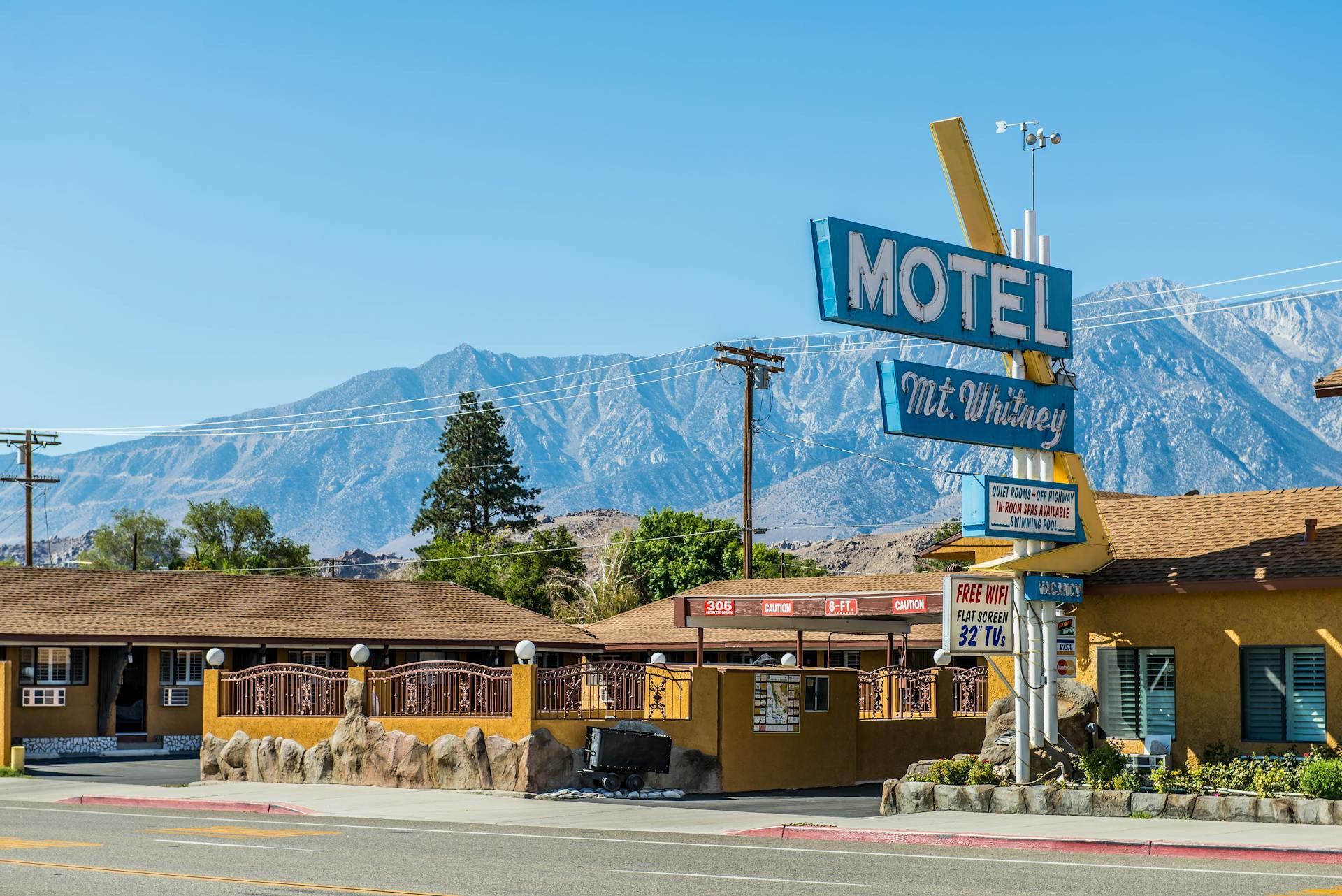
The original. A motel typically means drive-up room access. Park outside your door, unload, done. This makes it the natural home of the American road trip. A hotel, by contrast, has interior corridors, a lobby, and usually a few more amenities.
Both can be independent mom-and-pop operations or part of massive global chains like Marriott or IHG. Neither is trying to surprise you, and that's often exactly what you want. When you need a clean, familiar, reliable place to land after a long day of driving or flying, these deliver without fuss.
Limited-Service Hotel
Think Hampton Inn, Fairfield by Marriott, or Courtyard. Clean, well-maintained rooms, a lobby that won't wow you, and maybe a continental breakfast to get you out the door faster, but no full restaurant, no spa, and no concierge. That's the trade-off, and for a lot of travelers it's a perfectly reasonable one.
These properties sit in the economy to upper-midscale tier, which means decent quality without luxury pricing. They're particularly well-suited to business travel and short city stays where you're out most of the day anyway; why pay for amenities you'll never see?
02: Full-Service & Resort-Style
Best for: Travelers who want everything in one place: dining, spa, pools, and activities without leaving the property.
These are the hotels you actually look forward to. The ones where checking in feels like the trip is starting, not just another logistical box to tick. You pay more, yes, but you get more in return, often far more than you'll realistically have time to use.
A great dinner without leaving the building, a spa appointment the morning before your flight, a pool that makes you forget there's a city outside… That's the promise of full-service and resort-style hotels, and when they deliver, it's hard to argue with the price.
Full-Service Hotel
Restaurants, a spa, a gym, meeting rooms, room service, a concierge who can get you a table somewhere you couldn't book yourself, it's all here, under one roof.
Brands like the Ritz-Carlton, Marriott's flagship properties, and the upper tiers of Hilton define this category. These are upscale to luxury-class hotels where the staff-to-guest ratio is high and the details are sweated over.
A natural choice for anniversary trips, important client entertainment, or any occasion where the hotel itself needs to make an impression. You're not just booking a room; you're booking an experience.
Destination Resort
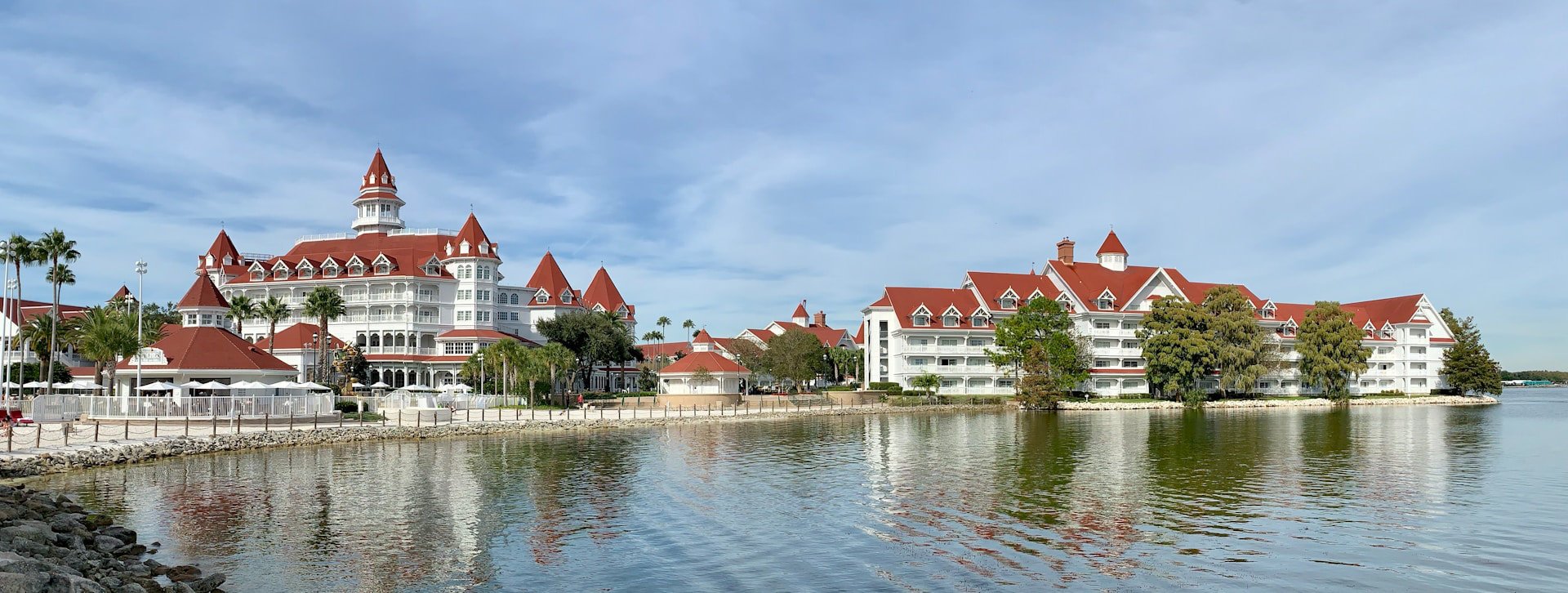
This is the hotel that doesn't need a nearby city to justify your trip, it is the destination. Think Disney's Grand Floridian, a Hawaiian mega-resort, or a Maldives overwater retreat. These properties are sprawling, full-service, and packed with enough activities, restaurants, and experiences to fill a week without once stepping off the grounds.
Leisure travelers are the target audience, and everything from the layout, to the programming, and the staffing is designed around keeping guests happy, entertained, and thoroughly disinclined to leave. If you've ever checked out wishing you'd booked an extra few nights, you stayed at a destination resort.
All-Inclusive Hotel
Pay once, enjoy everything. Your room rate covers meals, drinks, entertainment, and often a full slate of activities like watersports, yoga classes, and evening shows, without a bill appearing at the end of each one.
Sandals, Club Med, and countless Caribbean and Mexican resorts operate this way. The appeal is psychological as much as financial: there's a genuine freedom in not doing the mental arithmetic every time you order a cocktail or book a snorkeling trip.
Perfect for couples on honeymoon, families who want a predictable holiday budget, or anyone who considers "carefree" a legitimate travel objective.
All-Suite Hotel
Every room is a suite. Not just a bedroom with a fancy name, but a genuinely separate living area, a sofa, and often a kitchenette or wet bar. Embassy Suites is the classic example, but the category spans a wide price range. These aren't always luxury-priced; the defining feature is space, not opulence.
That makes them particularly well-suited to families who need room to breathe, business travelers settling in for a week, or anyone who finds a standard hotel room claustrophobic after the first night. More room, same price point: it's a straightforward value proposition that's hard to argue with.

03: Character & Independent
Best for: Travelers bored by identical chain hotels who want a stay that feels specific to where they are.
Cookie-cutter hotels look the same in Tokyo as they do in Toledo. Same lobby music, same pillow menu, same artwork that offends no one. These properties don't play that game.
They're defined by a genuine point of view: local art on the walls, unusual architecture, a story behind the building that predates the brand by decades. They have a personality you simply can't manufacture at scale, and that's precisely the point. Staying here actually tells you something about where you are.
Lifestyle Brand Hotel
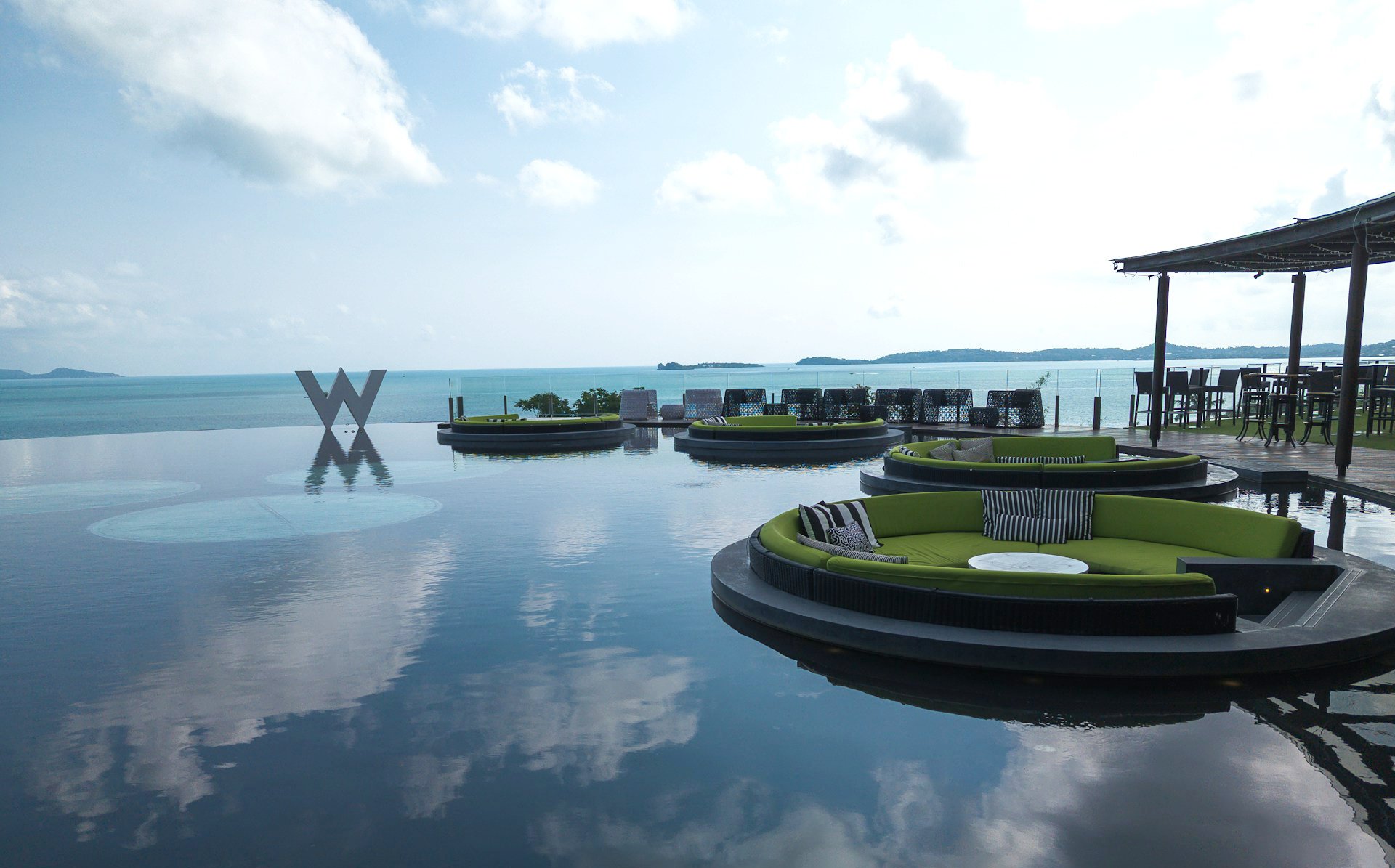
A curated group of hotels under one brand that actively evolves to stay culturally current, which is harder than it sounds, and most chains don't bother trying. W Hotels and Ace Hotel are the classic examples: properties that chase a vibe rather than a fixed style, built around music, design, nightlife, and a guest who considers themselves a little bit ahead of the curve.
The lobbies double as social scenes. The playlists are considered. The bar is genuinely good. If you've ever walked into a hotel and felt like it had a distinct personality, you were almost certainly standing in a lifestyle brand property.
Boutique Hotel
Fewer than 200 rooms, independently owned, and deeply local in character. Think of a converted Victorian townhouse in Edinburgh, a mid-century gem in Palm Springs, or a former textile warehouse in a city neighborhood that didn't exist on tourist maps five years ago.
The rates are often higher than a comparable chain hotel, but guests return for something money can't quite quantify, individuality. No two rooms look alike, the design reflects where you actually are, and the staff know your name by day two. For travelers who find big chain hotels spiritually deflating, these types of hotels and properties are the antidote.
Soft Brand Hotel
A hotel with its own name, identity, and design, but discreetly affiliated with a major chain for loyalty points and booking infrastructure. Marriott's Autograph Collection is the most well-known example; Hilton has its Curio Collection, IHG has the Vignette Collection. The individual properties look and feel nothing like a standard Marriott or Hilton, that's the whole point.
You get the character and individuality of an independent hotel with the reliability, rewards program, and booking ease of a global chain behind it. For frequent travelers who accumulate points religiously but refuse to stay somewhere soulless, this category was invented specifically for you.
Bed & Breakfast / Inn
Usually 20 rooms or fewer, owner-operated, and often with the innkeeper living on the premises. Breakfast is included in the rate; not a sad continental buffet, but frequently something home-cooked and worth getting up for.
The atmosphere is genuinely domestic: common rooms you're encouraged to use, local recommendations delivered with actual enthusiasm, and a level of personal attention that no 300-room hotel can replicate.
Particularly well-suited to countryside weekends, wine regions, and coastal towns where the pace is slower anyway. If you'd rather feel like a welcomed guest than a checked-in customer, this is your category.
04: Feels Like Home
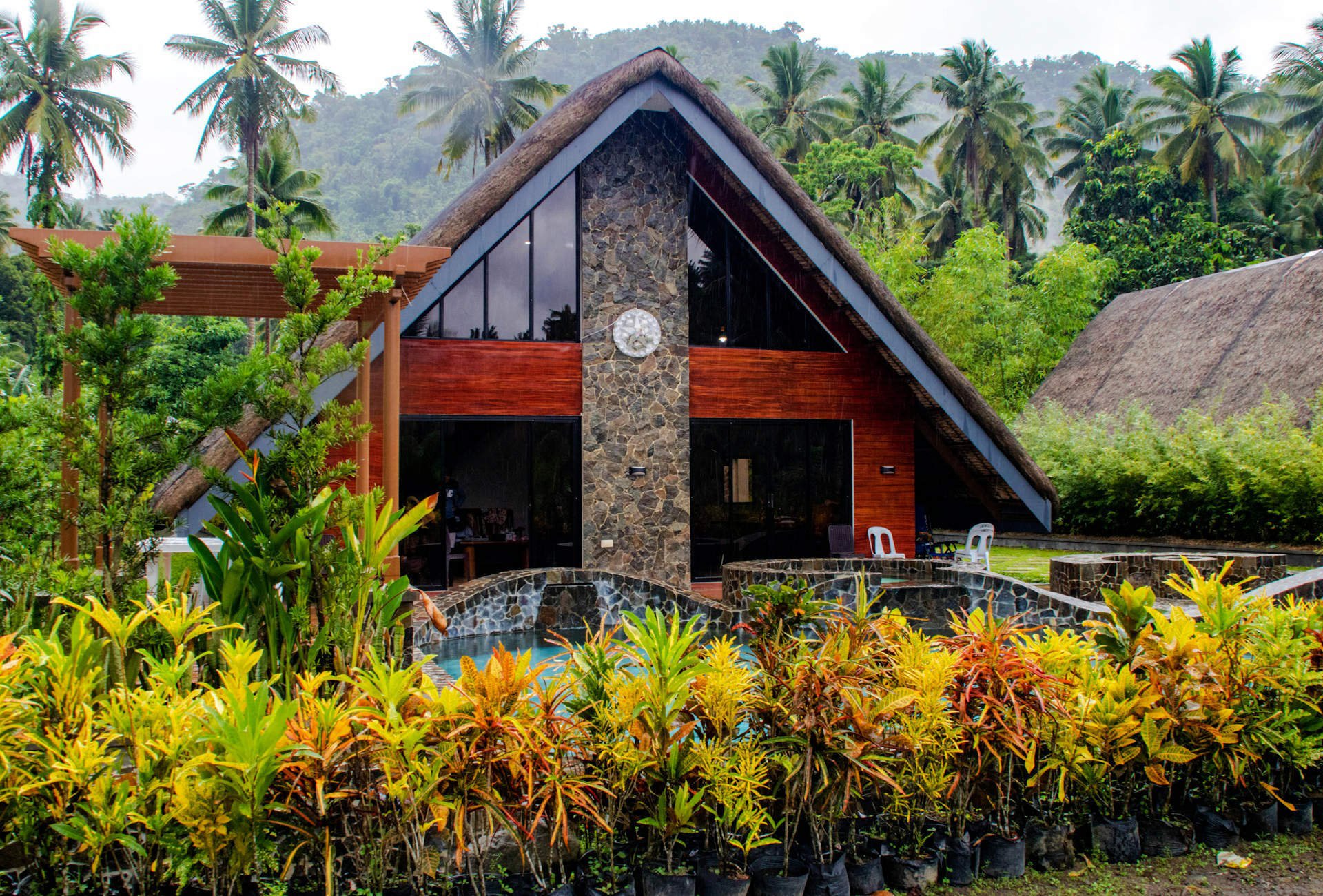
Best for: Long stays, family relocations, remote work trips, or anyone who needs more space and routine than a hotel room allows.
Sometimes a hotel room just isn't the right format. A single wardrobe, a minibar you're not supposed to touch, and a desk wedged into the corner only goes so far.
If you're staying for two weeks, traveling with kids, or relocating temporarily for work, what you actually need is a kitchen, laundry access, and enough room to spread out without climbing over luggage.
These options close the gap between hotel and home, and once you've tried them for a longer stay, a standard room feels like a step backward.
Extended Stay Hotel
Properties like Residence Inn, Homewood Suites, and Staybridge Suites are built specifically for stays of four nights or longer, and the design reflects that from the ground up. Weekly rates instead of nightly ones, in-room kitchens with actual cookware, on-site laundry, and common areas that feel lived-in.
Some partner with grocery delivery services so you can stock your kitchen before you've even unpacked. The whole model assumes you're setting up a temporary life, not just passing through. For work assignments, family relocations, or anyone in between leases, this format makes far more practical sense than a standard room.
Timeshare
You own the right to use a property for a specific period each year (typically one week) shared among multiple co-owners who each hold the same arrangement. The appeal is predictability: the same condo in the same resort, every year, without the costs and responsibilities of outright ownership.
Marriott Vacations and Hilton Grand Vacations are among the largest operators. It's a model that makes genuine sense for people who return to the same destination annually and want something that feels more permanent than a booking. Less suited to travelers who prefer variety and spontaneity over familiarity and routine.
Condominium Rental
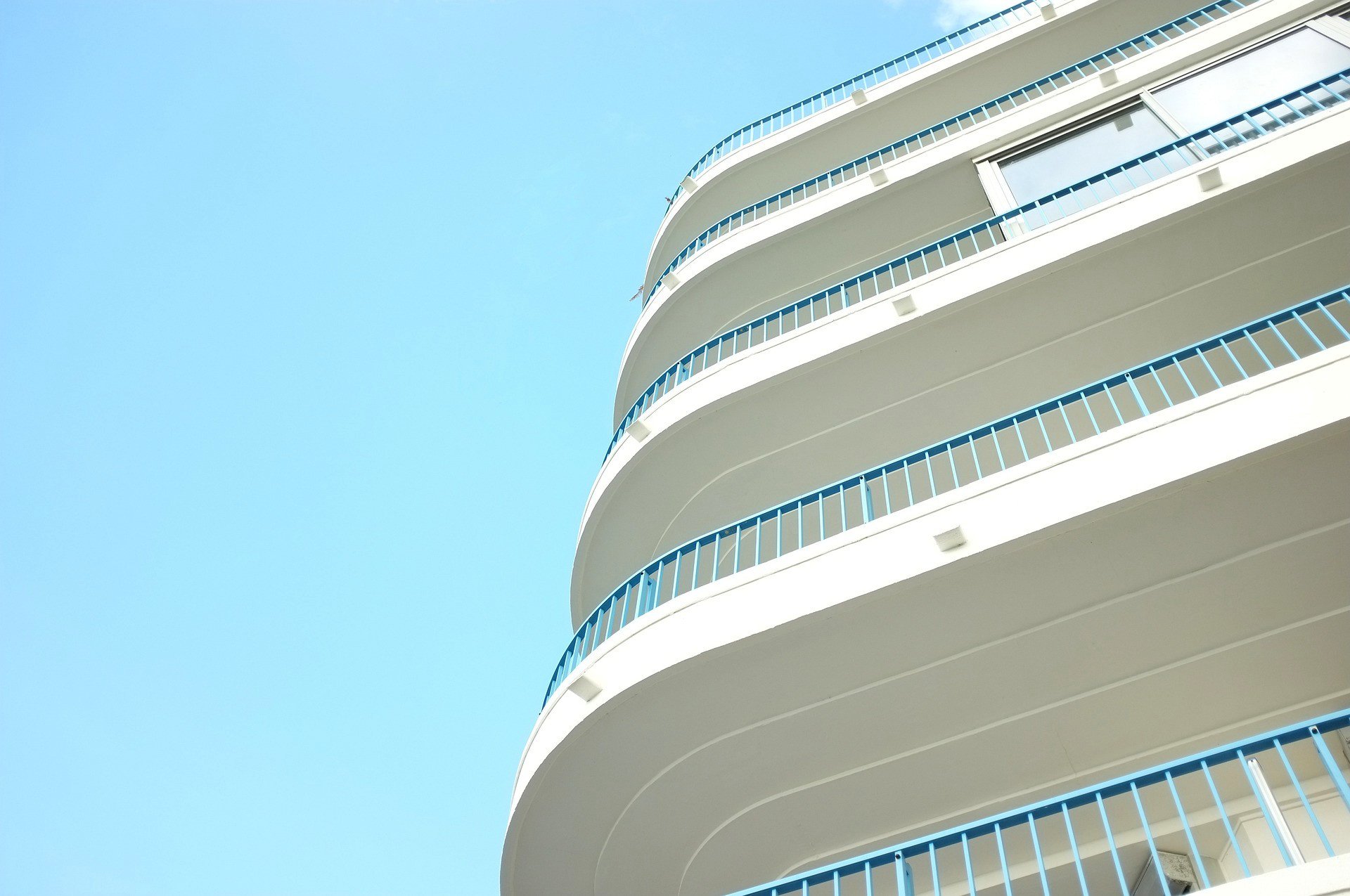
Individually owned condo units pooled together and managed by a single company for short-term rental.
The experience sits somewhere between a hotel and a private apartment. You get full residential amenities like a kitchen, a living room, separate bedrooms, and often a washer and dryer, but you book it through a standard reservation system with professional management handling check-in and housekeeping.
Particularly common in beach and ski destinations where space matters and longer stays are the norm. For groups and families, the per-person value compared to booking multiple hotel rooms is often significantly better.
05: Built for a Purpose
Best for: Travelers with a specific activity, event, or experience at the center of their trip.
These types of hotels don't try to do everything, and that restraint is precisely what makes them worth it. They do one thing exceptionally well, and that one thing is usually why you booked the trip in the first place.
The slopes, the casino floor, the tournament-grade golf course, or thermal pools aren't just perks bolted on to justify a higher rate. The amenity is the entire reason the hotel exists. Everything else is built around it.
Convention Center Hotel
Operating at a significantly larger scale than a conference center (at least 20,000 square feet of meeting space and 300 or more guest rooms) these properties are built for trade shows, industry conventions, and city-wide events that draw thousands of attendees.
The logistics are the whole point: proximity to the convention floor, enough rooms to house a significant portion of delegates, and the catering and event infrastructure to run multiple simultaneous functions.
Many are physically connected to a public convention hall, like the hotels adjoining Chicago's McCormick Place or Las Vegas's Convention Center. Convenience at scale is the core offering.
Gaming / Casino Hotel
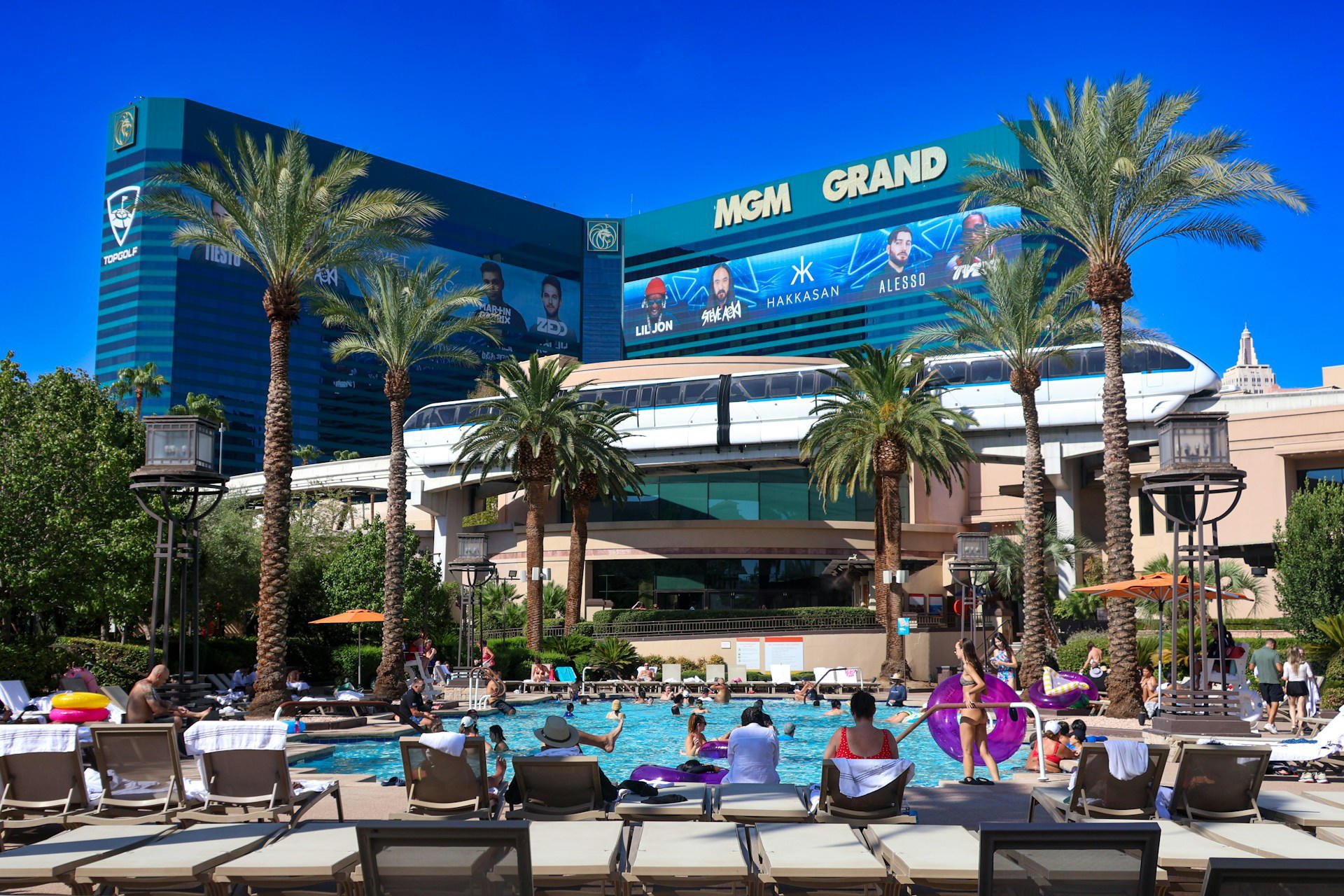
The casino is the main event; the hotel is where you sleep between sessions. Las Vegas and Macau define the category at its most extravagant (the Bellagio, the Venetian, the MGM Grand) but casino hotels exist on every continent, from Monte Carlo to Singapore.
The full entertainment infrastructure of shows, restaurants, bars, and pools isn't incidental; it's carefully designed to keep guests on the property and in a spending mood. Even if you don't gamble, the energy of a well-run casino hotel is genuinely unlike anything else in hospitality. Few places are open quite so enthusiastically at 3am.
Conference Center
Certified by the International Association of Conference Centers (IACC), these properties are purpose-built for focused corporate gatherings, and the difference from a regular hotel with a ballroom is immediately apparent.
The AV setup is professional-grade, the breakout rooms are properly sized, the catering is designed around keeping attendees alert rather than comfortable, and the entire environment is engineered to minimize distraction.
No casino floor, no sprawling pool deck competing for attention. If your organization is planning a serious off-site, leadership retreat, or multi-day training program, a certified conference center is the most deliberate choice you can make.
Golf Property
On-site course access is the defining feature, not a partnership with a nearby club, not complimentary green fees down the road, but walk-out-the-door tee times on a course that belongs to the property. Pebble Beach is the gold standard, but exceptional golf hotels exist across Scotland, Ireland, Portugal, and beyond.
The best ones don't treat the course as an amenity bolted onto a regular hotel. They integrate it into everything. Views from your room look out over the fairways. You're on the first tee before breakfast. The clubhouse is where you have dinner. The course is the architecture around which the entire stay is designed.
Ski Hotel
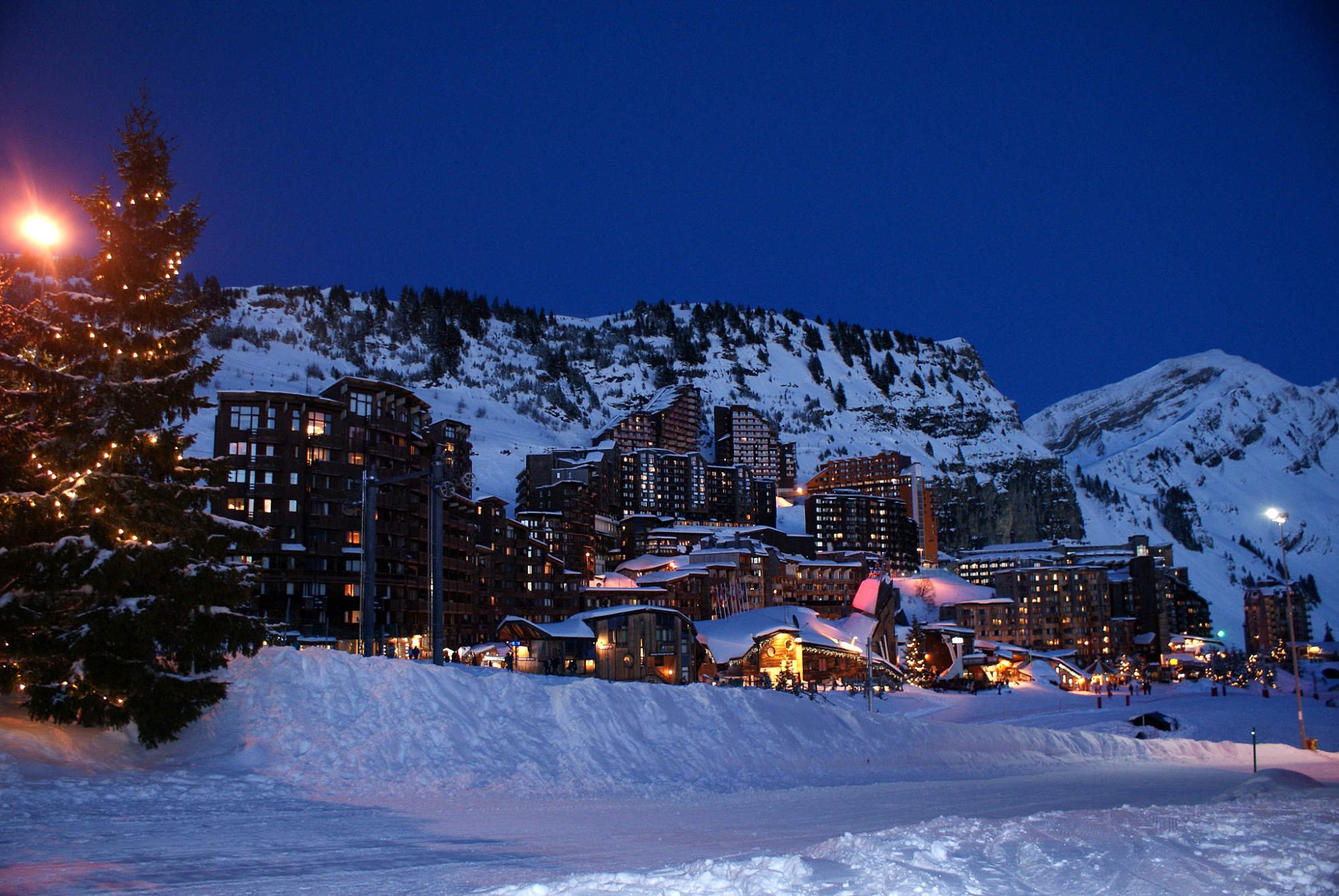
Ski-in, ski-out access is the defining feature. No shuttle bus, no parking lot trudge, no carrying your boots half a mile in the cold.
You clip in at the door and you're on the mountain. At the end of the day, you ski back. It sounds simple, but the difference in experience compared to staying even a short distance from the lifts is enormous, especially with children or when the temperature drops.
Whistler, Courchevel, and Zermatt all have properties that nail this format. The premium over a standard mountain hotel is real, but if skiing is the reason you're there, the convenience justifies every penny.
Spa Property
Not a hotel with a spa, but a spa with rooms. The distinction matters more than it sounds. At a standard full-service hotel, the spa is one amenity among many, often booked solid by non-guests and squeezed between checkout and your afternoon flight.
A true spa property is built around wellness from the ground up: full-time therapists, comprehensive treatment programs, thermal facilities, dietary menus designed by nutritionists, and a daily schedule that assumes you're there to genuinely reset.
Miraval and Canyon Ranch operate at this level. You don't come here to fit in a massage between sightseeing, you come because disconnecting completely is the entire point of the trip.
Waterpark Hotel
The room comes with unlimited access to an on-site waterpark. Slides, tubes, lazy rivers, wave pools, and the kind of infrastructure that keeps children comprehensively occupied from morning until they collapse.
Great Wolf Lodge is the template, with indoor parks that operate year-round regardless of weather. To qualify, the waterpark must cover at least 10,000 square feet and be included with the stay rather than ticketed separately.
For families with young children, the model is essentially the all-inclusive equivalent: pay once, arrive, and let the property do the heavy lifting. Three days later, everyone goes home exhausted in the best possible way.
Types of Hotels: The Bottom Line
The different types of hotels exist because a specific kind of traveler needed something the existing options weren't providing. The road-tripper needed a parking spot at the door. The exhausted executive needed a spa and room service. The family needed waterslides and a kitchen. The golfer needed the first tee outside the lobby.
Knowing the difference doesn't just help you book smarter, it stops you paying for things you don't need and ending up somewhere that wasn't designed for your kind of trip. Match the hotel to the journey, and the stay takes care of itself.