Switzerland’s hotel brand market operates according to a different set of rules than most European destinations.
Structural constraints, high operating costs, and long-term ownership models have shaped a market that is inherently conservative, favouring measured development over rapid expansion.
While hospitality branding has grown steadily over time, it has never followed the aggressive, scale-driven patterns seen elsewhere, resulting in a distinctive balance between international chains, Swiss-origin operators, and high-end independent properties.
This guide examines how that balance has evolved, identifies the key players shaping the market today, and explains why Switzerland continues to resist over-branding.
Switzerland's Hospitality Market
The hospitality market here is shaped by a combination of structural constraints, long-term ownership patterns, and clearly segmented demand.
Rather than following a single growth narrative, brand development reflects careful calibration between cities and leisure destinations, between scale and individuality, and between global standards and local expectations.
Below we examine how these dynamics play out in practice, starting with brand penetration and market trends before exploring the distinct roles of urban and resort markets.
Urban vs Resort Markets
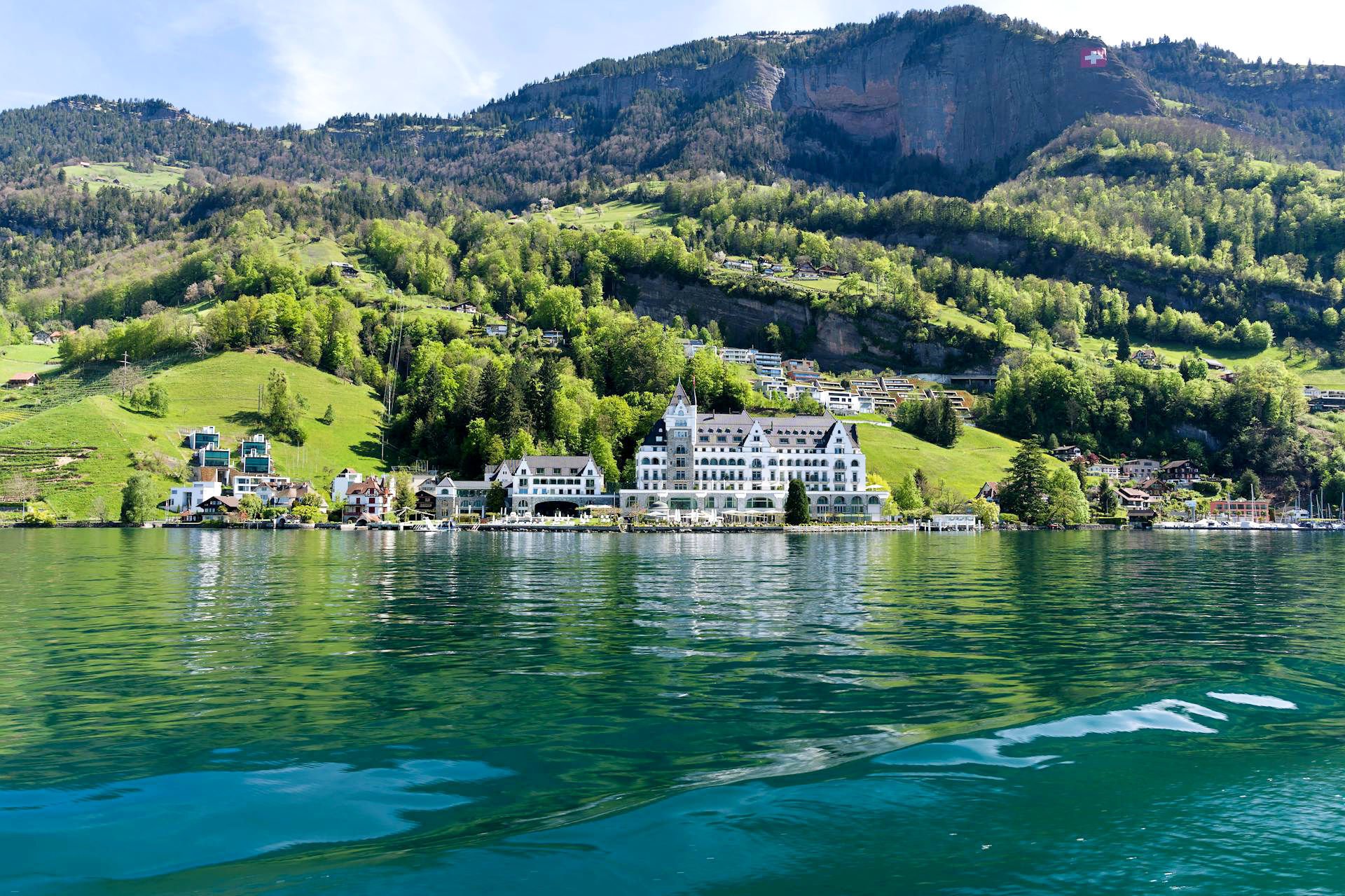
Urban and resort markets in Switzerland operate under distinctly different brand dynamics. In cities such as Zürich, Geneva, Basel, and Bern, larger internationally branded hotels are more prevalent, lending themselves to steady corporate demand, conference travel, and proximity to transport infrastructure.
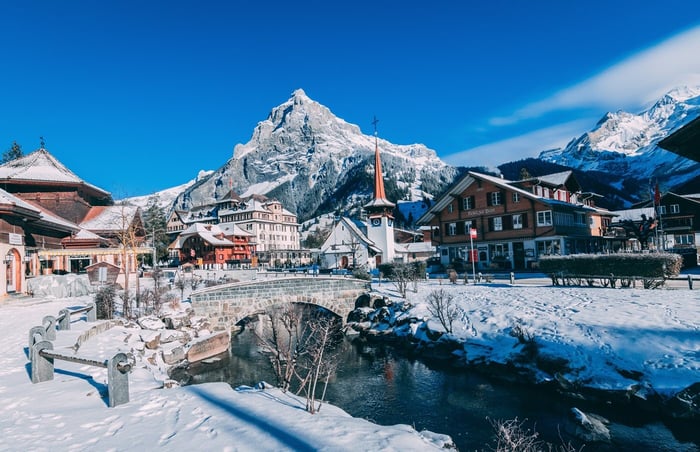
These markets reward scale, consistency, and operational efficiency, making them well suited to global chains and multi-brand operators. By contrast, resort and alpine destinations tend to favour smaller, character-led properties shaped by seasonality, heritage, and destination travel.
Many of these are long-established, family-owned, or architecturally significant, with a strong emphasis on place and identity rather than standardisation.
Consequently, brands behave differently across these segments, prioritising efficiency and recognisability in urban centres while remaining highly selective and flexible in resort locations where authenticity and experience carry greater weight.
Brand Penetration & Trends
Brand penetration in Switzerland has increased gradually over the past decade, but always within clearly defined limits.
Branded hotels expanded most visibly in major cities and transport hubs, supported by consistent corporate demand, international travel, and the operational advantages that chains bring in a high-cost environment.
At the same time, growth has remained measured rather than aggressive. Unlike markets such as the UK or Germany, Switzerland never pursued scale for its own sake, reflecting tighter planning controls, higher development costs, and a longstanding preference for quality over density.
New openings and pipelines tend to focus on replacement, repositioning, or gap-filling rather than saturation, which helps explain why independent properties continue to play a structurally important role, particularly in resort and leisure destinations.
In recent years, this cautious approach has been reinforced by shifts in traveller expectations, with luxury travel, ESG considerations, and experience-led hospitality influencing both strategy and investment decisions.
This makes for a market where chain penetration evolves steadily, without undermining the diversity and character that define hospitality in Switzerland.
Luxury Hospitality Brands in Switzerland
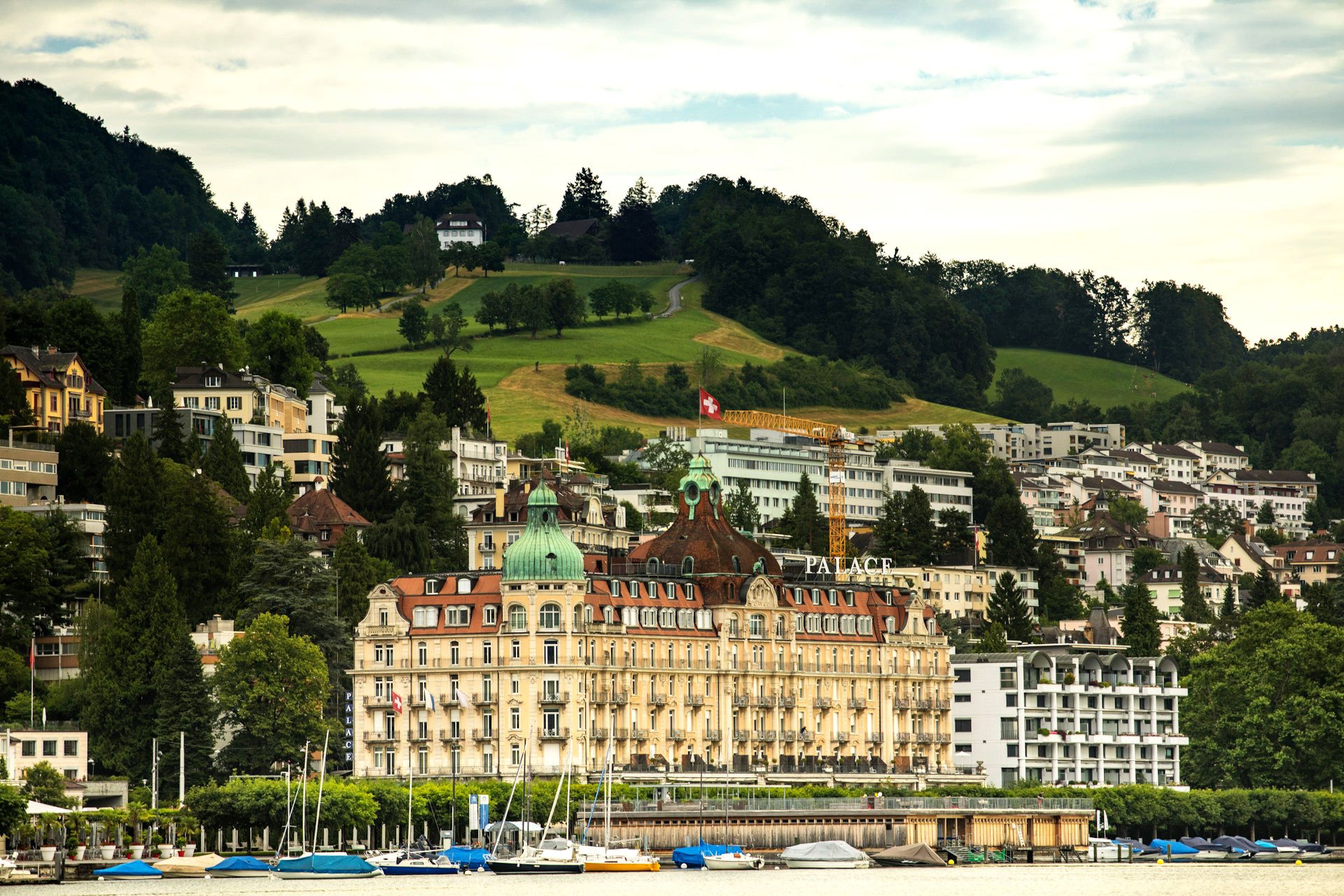
Global luxury names occupy a highly selective position within the Switzerland's hospitality market, where reputation, heritage, and alignment with location matter more than scale.
Kempinski, often associated with Swiss hospitality standards despite its global reach, maintains a limited domestic presence that reflects its focus on flagship properties rather than network expansion.
Other luxury operators such as Mandarin Oriental, Four Seasons, Ritz-Carlton, and Rosewood approach Switzerland in a similarly restrained way, targeting landmark assets in prime urban or resort locations.
These businesses prioritise fit over footprint, recognising that Switzerland’s luxury travellers value discretion, longevity, and a strong sense of place.
High development costs, long investment horizons, and demanding guest expectations reinforce a strategy centred on a small number of highly differentiated properties rather than broad market coverage.
International Groups With a Strong Swiss Presence
International groups have established a clear, but deliberately selective, presence in Switzerland, with activity concentrated primarily in major urban centres. Accor’s acquisition of Mövenpick marked a pivotal moment, integrating a well-known Swiss brand into a global portfolio while preserving its local identity and positioning.
Alongside Accor, groups such as Marriott International, Hilton, and Hyatt operate across Zürich, Geneva, Basel, and other key cities, where consistent demand and international connectivity support branded scale.
Despite this presence, Switzerland remains a challenging market for global operators due to high construction costs, labour expenses, and regulatory complexity.
As a result, international brands adapt by prioritising asset-light models, focusing on upper-midscale to luxury segments, and tailoring service levels and design to local expectations rather than pursuing rapid expansion.
Boutique Collections & Soft Brands
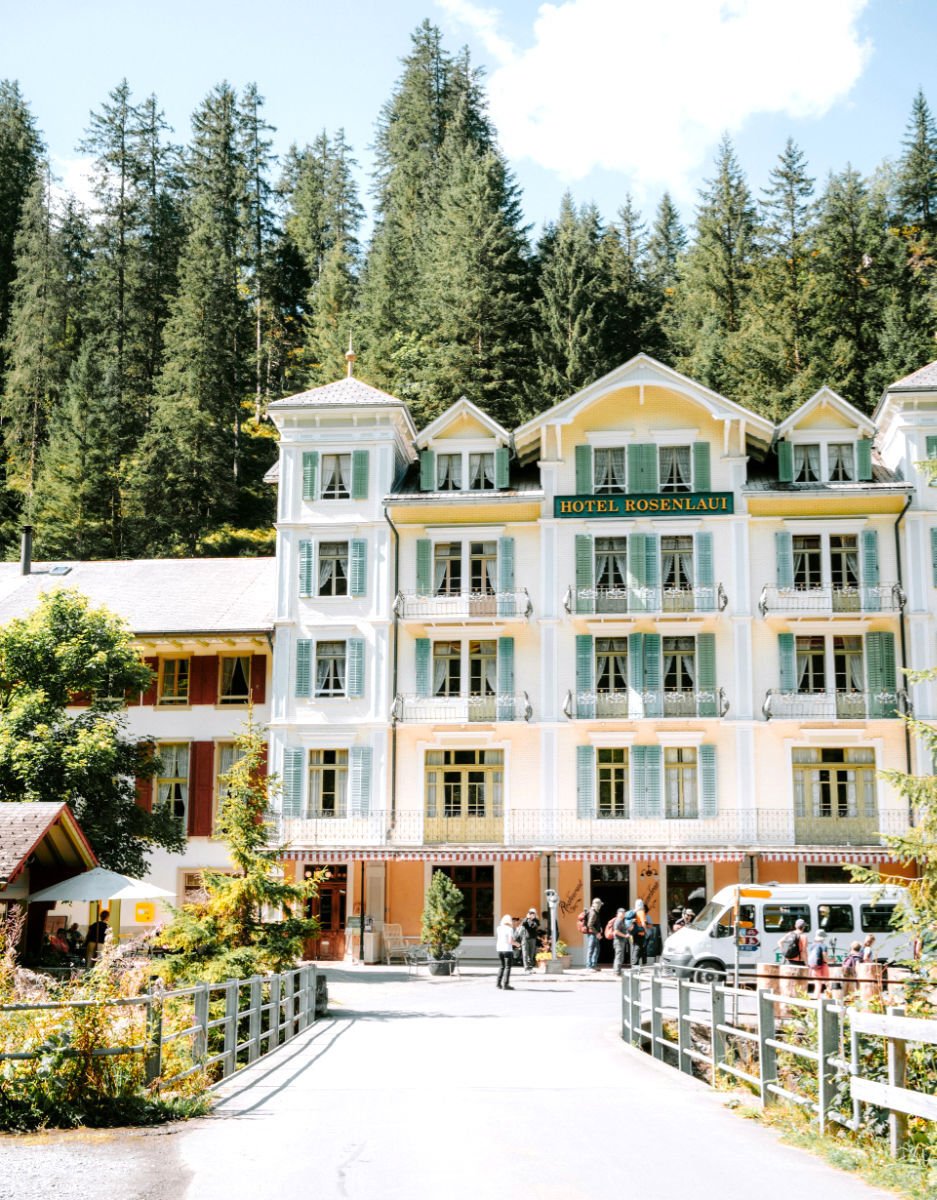
Boutique collections and soft brands have found particular resonance in Switzerland, offering a structure that supports independent properties without compromising their individuality.
Platforms such as Design Hotels, Small Luxury Hotels of the World, Autograph Collection, and Preferred Hotels & Resorts provide access to global distribution, loyalty ecosystems, and brand credibility while allowing properties to retain their own identity and operating style.
This model aligns well with Switzerland’s hospitality market, where many properties are owner-operated, heritage-led, or highly location-specific. Soft branding enables these names to compete internationally and attract discerning travellers, without the standardisation and scale requirements typically associated with full chain affiliation.
Leading Swiss-Origin Brands
Alongside international operators, Switzerland is home to a diverse group of hotels that were founded or remain headquartered within the country. These brands reflect local operating realities, long-term ownership structures, and a deep familiarity with both urban and resort markets.

Rather than pursuing rapid expansion, they tend to grow carefully, balancing consistency with regional character and responding closely to domestic travel patterns. Together, they form an important counterweight to global chains and play a central role in preserving the distinct identity of Swiss hospitality.
Sorell Hotels
Sorell Hotels has established itself as a prominent Swiss-origin operator with a clear focus on urban locations and a portfolio that spans the midscale to upscale segments. Its properties are typically positioned in city centres or well-connected districts, appealing to business and leisure travellers who value consistency, functionality, and understated design.
Growth has been deliberate rather than expansive, with an emphasis on operational reliability, local relevance, and long-term asset performance rather than rapid footprint expansion.
Hotelplan / Mövenpick
Hotelplan and Mövenpick represent an important strand of Swiss hotel heritage, shaped by decades of domestic and international hospitality experience. Following Mövenpick’s integration into a global group, the brand has continued to evolve while retaining elements of its identity and service philosophy.
In Switzerland, its ongoing relevance is supported by strong brand recognition, well-located properties, and a positioning that bridges local expectations with international standards.
Bürgenstock Collection
The Bürgenstock Collection sits at the pinnacle of luxury hospitality in Switzerland, defined by a small number of landmark properties rather than a broad portfolio. Its properties are positioned as destinations in their own right, combining dramatic settings with high levels of privacy, service, and architectural ambition.
Global recognition comes not from scale, but from the ability to deliver distinctive, high-profile experiences that resonate with an international luxury audience while remaining closely tied to their roots.
Swiss Youth Hostels (Schweizer Jugendherbergen)
Swiss Youth Hostels plays a distinctive role within the country’s budget accommodation segment, supported by a dense national network and strong brand recognition among domestic and international travellers.
While traditionally associated with affordability and accessibility, the organisation has invested steadily in modernising its properties, improving design quality, and upgrading facilities.
Sustainability and social responsibility are central to this evolution, shaping both new developments and refurbishments and reinforcing the brand’s relevance for a new generation of cost-conscious, values-driven guests.
Emerging Brand Directions
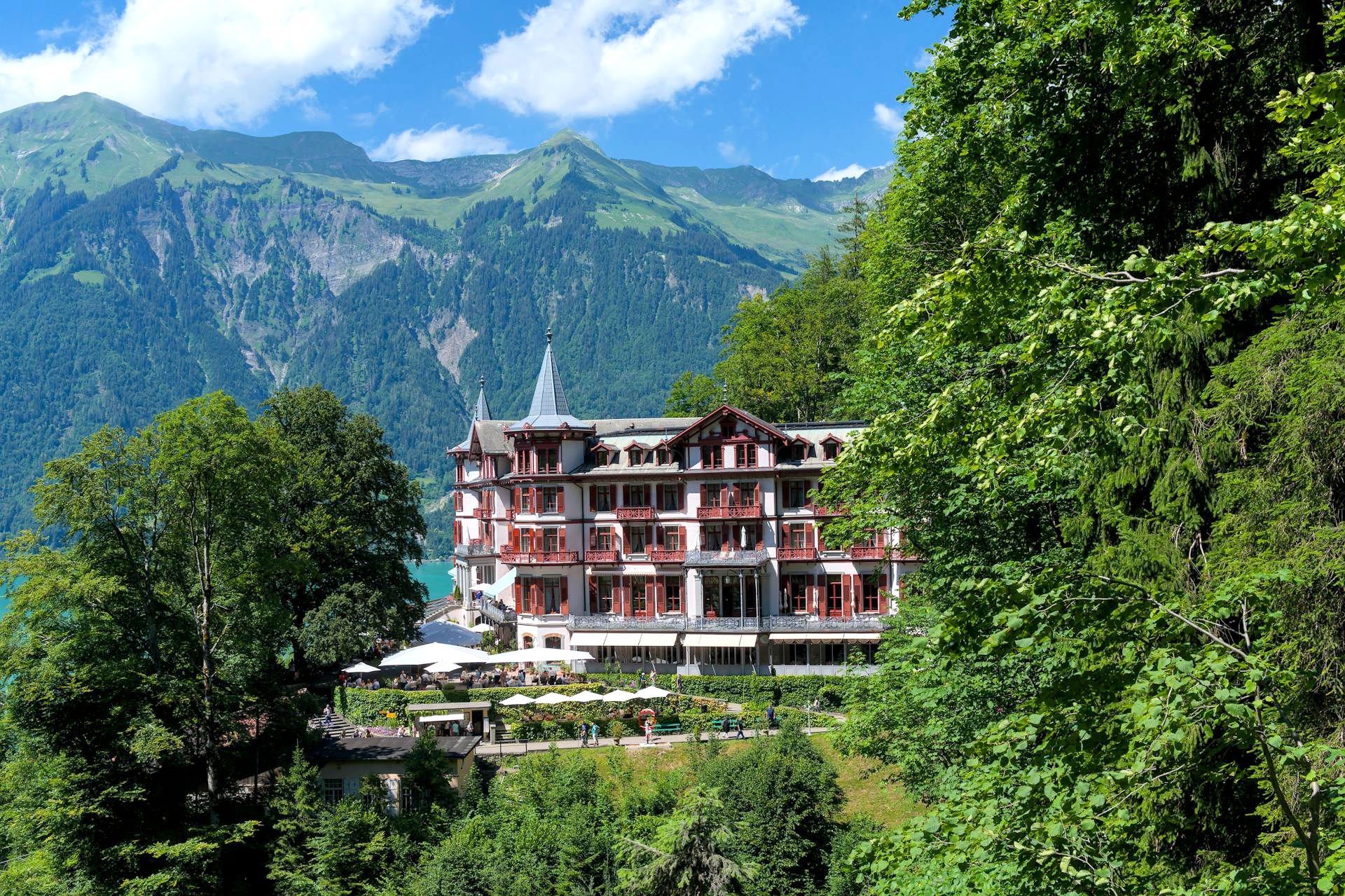
Beyond established operators and brand structures, a set of emerging directions is shaping how hotels position themselves across Switzerland. These changes are influenced by structural differences between resort and city markets and the impact of seasonal demand.
Rather than introducing entirely new categories, many brands are refining their concepts to respond more precisely to location, length of stay, and purpose of travel, setting the context for the developments outlined below.
Lifestyle and Design-Led Brands
Lifestyle and design-led brands have gained traction here, particularly in Zürich and Geneva, where demand extends beyond traditional business accommodation. These concepts place greater emphasis on experience, with food, interior design, and social spaces playing a central role in how the hotel is positioned and used.
Growth in this segment remains curated rather than mass-market, reflecting high development costs, planning constraints, and a preference for concepts that feel locally grounded rather than overtly standardised.
Wellness, Longevity, and Health-Driven Hospitality
Wellness, longevity, and health-driven hospitality draw on Switzerland’s long-standing reputation as a destination for restorative travel and medical expertise.
Beyond traditional spa hotels, there is growing interest in concepts that sit adjacent to healthcare, preventative treatment, and long-term wellbeing, often integrating clinical partnerships or evidence-based programmes.
Hotels are increasingly embedding wellness into their identity through design, nutrition, movement, and personalised services, positioning health not as an add-on but as a core element of the guest experience.
Extended Stay, Hybrid, and Apartment-Style Properties
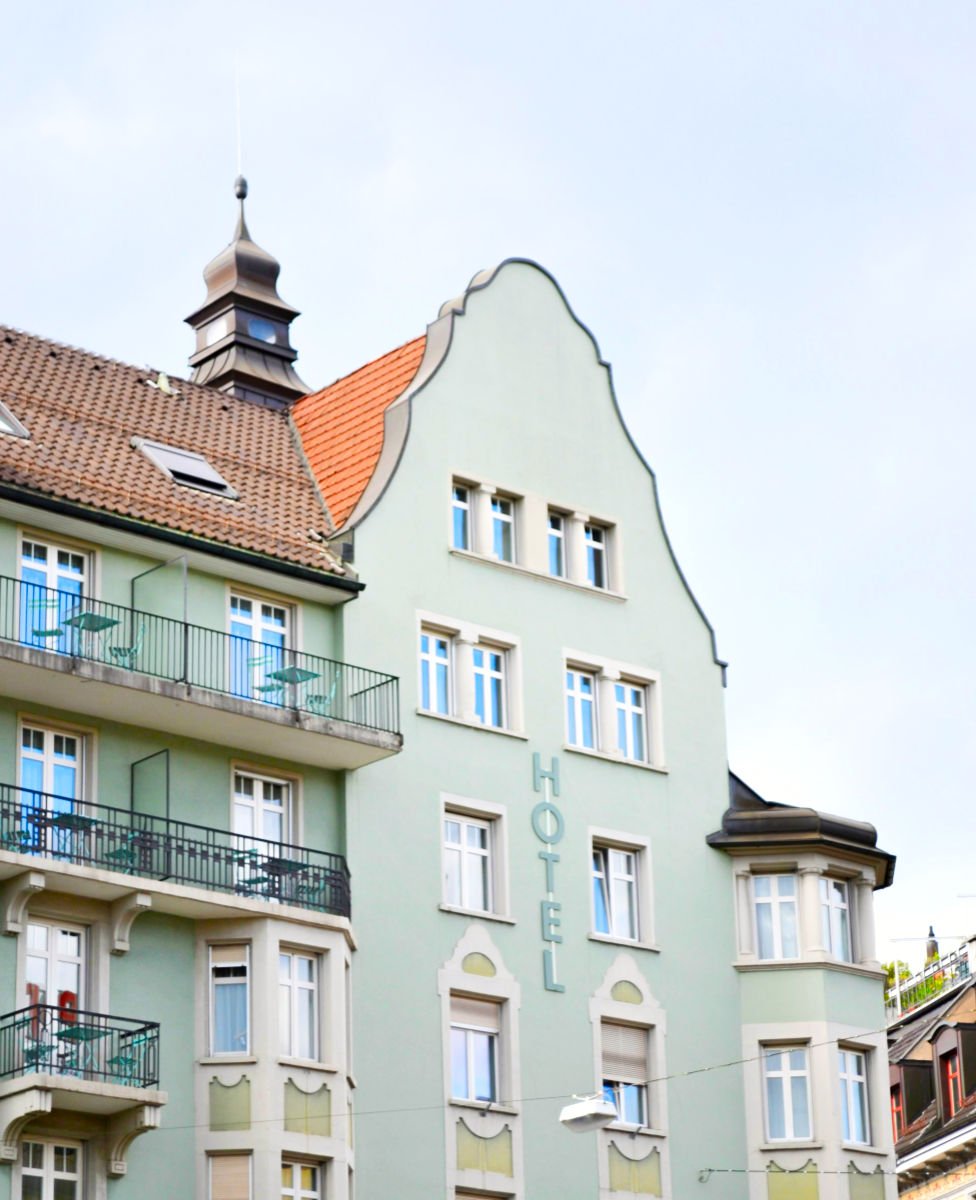
Extended stay, hybrid, and apartment-style properties have become increasingly relevant in Switzerland as travel patterns shift toward longer visits and blended business and leisure stays. Demand is supported by corporate assignments, project-based work, and international relocations, particularly in major cities and economic centres.
Switzerland’s stable economy, high proportion of inbound professionals, and strong domestic travel base make it well suited to this model, which prioritises space, flexibility, and residential-style amenities over traditional formality.
Looking Ahead
Hospitality in Switzerland is likely to continue evolving within clear structural limits, with growth concentrated in well-established urban centres and select resort destinations rather than broad geographic expansion.
Development will remain cautious, shaped by planning constraints, cost pressures, and a preference for long-term asset performance over short-term scale.
For travellers, this means continued diversity and quality; for investors and operators, it reinforces the importance of fit, location, and concept discipline in a market where measured progress consistently outperforms rapid growth.