
Singapore has truly earned its place as a heavyweight in the world of global education. If you are a student who wants a degree that carries weight globally but isn't necessarily looking to pack your bags for the US or the UK, this city-state should be right at the top of your list.
It sits at a fascinating crossroads where traditional Asian values meet modern Western efficiency, offering the best of both worlds. For many, it’s the perfect middle ground as you remain close to the regional action while being part of a truly international environment.
Safety is another massive factor; the stories you’ve heard about how orderly things are here aren't exaggerations. You can walk around late at night without a second thought. However, it’s worth emphasizing how intense and competitive the academic culture can be here.
You will be expected to hit the ground running, but the practical, job-ready focus of the programs ensures that all that hard work actually pays off once you graduate.
Quality, Safety, and Career Access
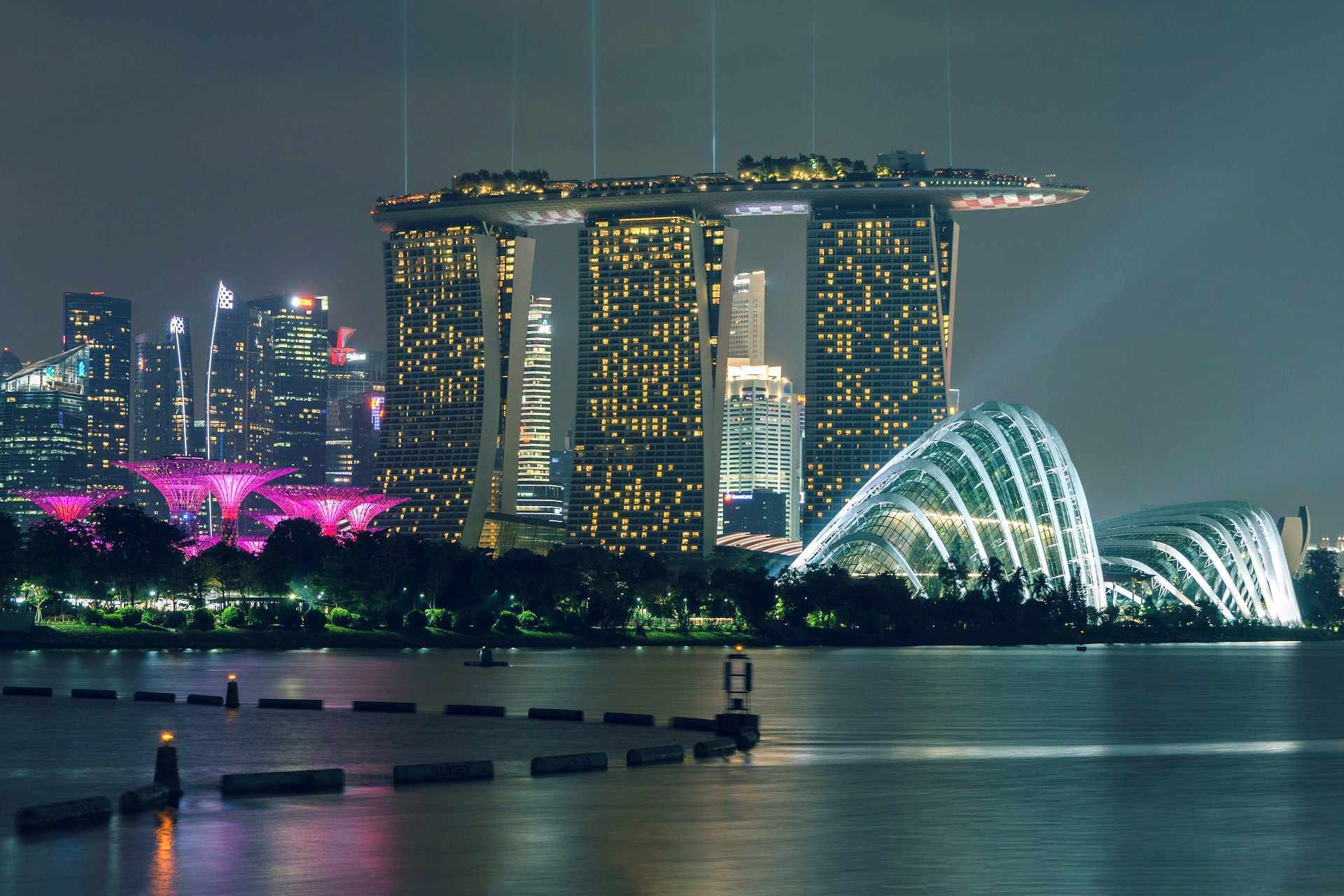
Living in Singapore offers a level of personal security that is hard to find anywhere else. The political stability here is rock-solid, which creates a predictable and safe environment for international students to focus on their studies.
You won't have to worry about sudden policy shifts or social unrest. On top of that, the infrastructure is world-class. The public transport system is so efficient that you’ll rarely feel the need for a car, and everything from high-speed internet to healthcare is top-tier.
One of the biggest reliefs for many students is that English is the main language for instruction and daily life. You can order food, navigate the city, and write your thesis all in the same language.
This ease of communication, combined with Singapore's proximity to major Asian markets like China, India, and Indonesia, makes it a strategic base. You are essentially at the gateway to some of the fastest-growing economies on the planet.
Singapore’s Education System
The way higher education is structured in Singapore is quite logical and outcome-oriented. It’s governed with a high level of oversight by the Ministry of Education, which ensures that every institution meets strict standards.
There is a clear distinction you need to understand right away: publicly funded universities and private education providers. Public universities are the "big names" you see in global rankings, and they are generally more autonomous but heavily supported by the state.
Private providers, on the other hand, often partner with famous overseas universities to offer their degrees locally. The entire system is built around efficiency. They actually want to see you land a job.
Because of this, the curricula are frequently reviewed to make sure they align with what the economy actually needs. It’s a very results-driven approach that prioritizes your eventual employability.
Role of Government Regulation and Quality Assurance
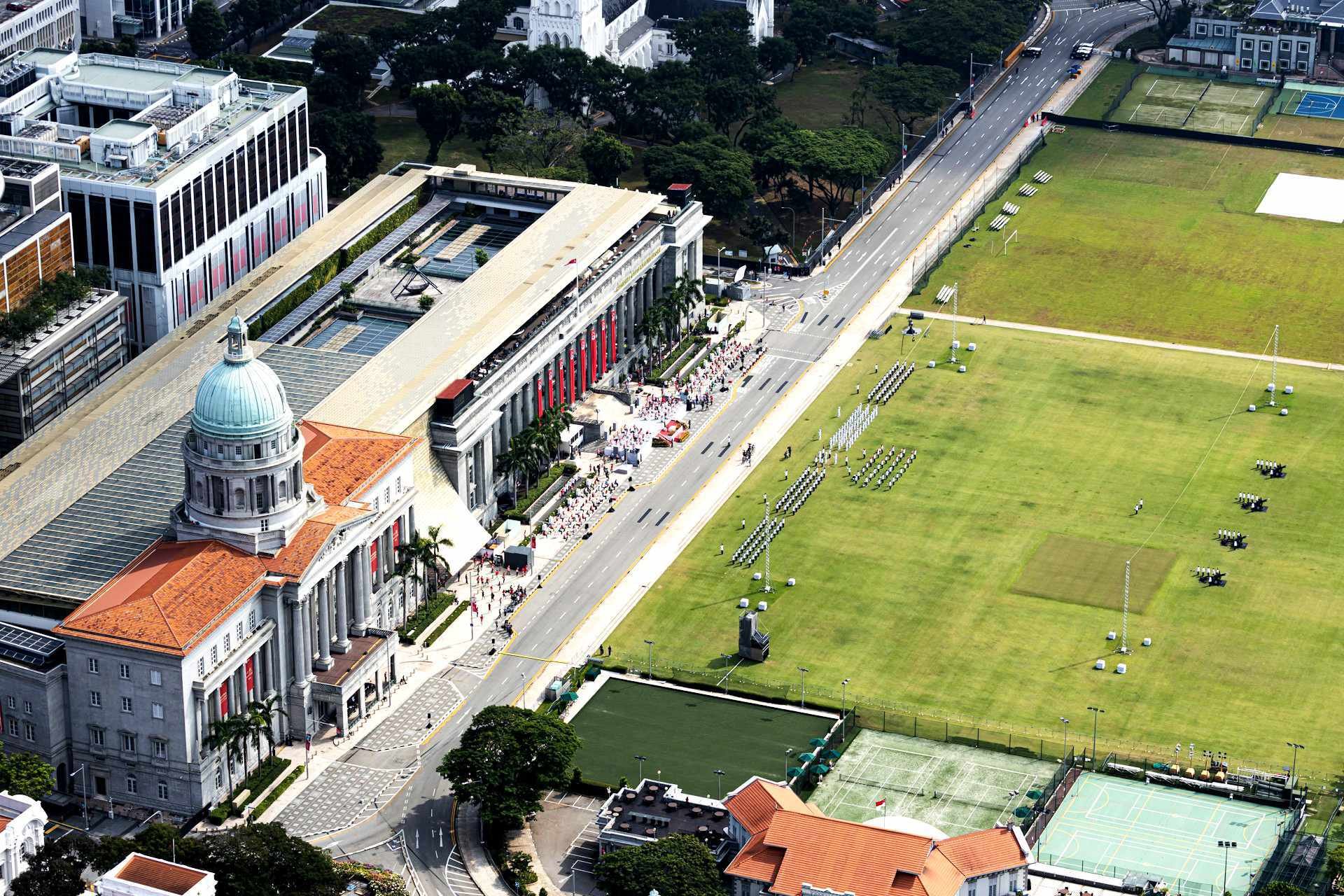
Singapore is very protective of its reputation for excellence, so it doesn't just let anyone open a school and start teaching. There is a massive amount of oversight to maintain academic standards.
The Committee for Private Education (CPE) is the watchdog here, and they use a framework called EduTrust to certify private schools. If a school doesn't have this certification, they generally aren't allowed to take in international students.
This is a huge safeguard for you. It means that the institution has been vetted for its financial health, its academic processes, and how it treats its students. You don't have to worry as much about "degree mills" or schools disappearing overnight.
This regulation matters because it gives your degree legitimacy. When you apply for jobs later, employers can trust that your education met a certain high bar. It’s all about creating a transparent system where the quality of the "Singapore brand" remains untarnished.
Top Universities in Singapore
Singapore’s university ecosystem is small, but it is incredibly concentrated. You won't find hundreds of schools scattered across the island; instead, you find a handful of powerhouses that dominate the region.
The flagship institutions are household names globally, and for good reason. They consistently attract top faculty from around the world and secure massive amounts of research funding.
Beyond the big public names, there are specialised institutions that have carved out niches in areas like management, design, and technology. What makes the top tier so impressive is their recognition by global employers
If you graduate from one of these top-bracket schools, your resume automatically moves to the top of the pile in many international firms.
Ranking and reputation are taken very seriously here, and the universities work tirelessly to maintain their standing. It’s a small pond, but the "fish" are some of the most capable and well-resourced you will encounter anywhere.
Private Universities and International Branch Campuses
If you look beyond the public institutions, you’ll find a vibrant sector of private universities and international branch campuses. This is where you see names like James Cook University (JCU) from Australia or various UK universities partnering with local schools like SIM (Singapore Institute of Management).
These institutions provide a different kind of value. They often offer more flexible intake periods throughout the year, which is great if you don't want to wait for the standard August start.
The degrees awarded are usually identical to the ones given at the home campus in the UK or Australia, but you get to study in the heart of Asia for a fraction of the cost of living in London or Sydney.
While they might not have the same "brand name" clout as NUS within Singapore, they are highly respected by international companies. They are particularly good for students who want a more practical, less research-heavy approach to their education and a more diverse, global classroom.
Specialised Institutions for Business, Hospitality, and Design
Sometimes, a big general university isn't the best fit if you already know exactly what you want to do. Singapore has several specialised institutions that are laser-focused on specific industries.
For example, the Singapore Institute of Technology (SIT) and the Singapore University of Technology and Design (SUTD) are fantastic for students who want a hands-on, industry-aligned tech education.
If you’re into the creative arts or design, LASALLE College of the Arts and NAFA are the top choices, offering deep connections to the regional arts scene. For those aiming for the hospitality world, there are institutions with direct links to the luxury hotel and tourism sectors.
These schools often have smaller cohorts and very strong links with employers, often baking internships directly into the curriculum. They are perfect for students with clear career goals who want to spend their university years building a professional network rather than just studying general theory.
Public Universities and Their Global Rankings
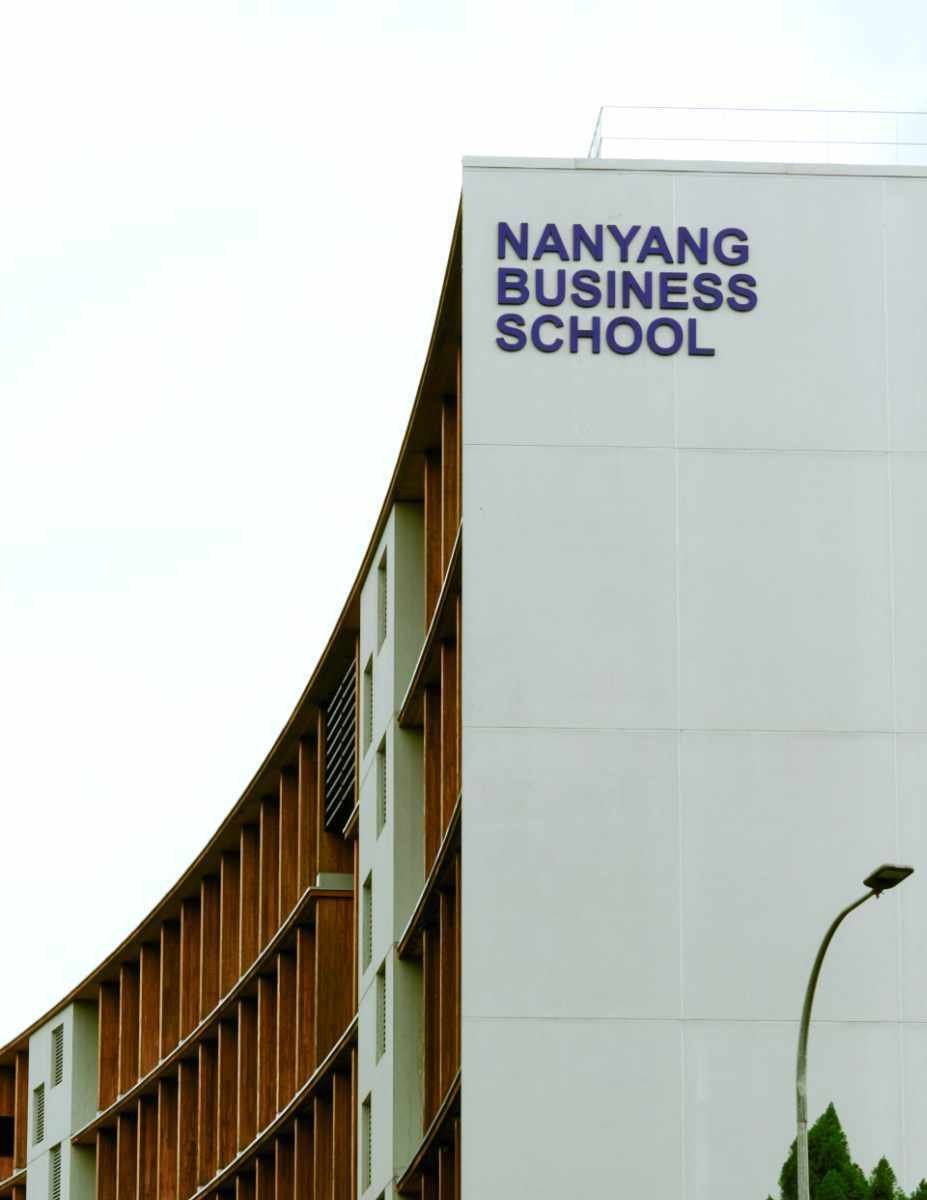
The heavy hitters in the public sector are the National University of Singapore (NUS) and Nanyang Technological University (NTU).
These two are almost always in the global top 20, and in some disciplines like Engineering or Materials Science, they’ve even hit the top 5. NUS is the oldest and is often seen as the more "traditional" comprehensive university, with strengths across everything from Law to Medicine.
NTU, while younger, is a massive force in research and technology, boasting a stunning high-tech campus. Then you have Singapore Management University (SMU), which is modeled after the Wharton School and is the go-to for anything business or finance-related.
These schools are extremely competitive for international applicants; you’ll need more than just good grades to get in. However, the payoff is huge.
Their reputations among global employers are ironclad, and they serve as a gold-plated ticket for those looking to apply for prestigious postgraduate programs at places like Harvard or Oxford later on.
Admission Requirements and Application Process
Getting into a Singaporean university requires a mix of early planning and attention to detail. The process isn't just about clicking a "submit" button; it’s about presenting a cohesive story of your academic journey.
Generally, admissions officers are looking for a strong academic history, but they also want to see consistency. They look at your grades over several years, not just a single final exam.
The process differs quite a bit between public and private institutions. Public universities have a very structured, once-a-year application window, and they are notoriously rigorous. Private schools are often more accessible and might have three or four intakes a year, making the timeline a bit more forgiving.
Regardless of where you apply, you’ll need to prove that you are a good "fit" for the program. This often involves personal statements or interviews where you need to show you’ve actually done your homework on why Singapore is the right place for your specific career path.
Academic Qualifications and Entry Criteria
The bar for entry is set quite high, especially for the top-tier public programs. If you’re coming from a high school system like the IB, A-Levels, or a national curriculum like the Indian CBSE or American SATs, you’ll find that Singaporean universities are very familiar with your qualifications.
They have clear "cut-off" points, and while they don't always publish them, you can expect that you’ll need to be in the top percentile of your graduating class. For postgraduate studies, a strong undergraduate degree is the baseline, and many programs will also look for relevant work experience.
Some of the more competitive courses might require additional tests like the GMAT or GRE. It’s worth noting that consistency matters; a sudden dip in your grades in your final year can be a red flag. They want to see that you can handle a high-pressure workload over the long term, as that’s exactly what the local university experience will demand of you.
English Language Requirements
Since English is the language of instruction for almost every degree in Singapore, proving your proficiency is a non-negotiable part of the application. Most universities accept the standard tests like IELTS or TOEFL.
You’ll usually need an IELTS score of around 6.5 or 7.0 for undergraduate courses, and potentially higher for postgraduate or law programs. If you’ve completed your previous education in an English-speaking country or an English-medium school, you might be able to get a waiver, but don't assume. Always check the fine print for each specific university.
It’s not just about passing a test, though; you really need to be comfortable with academic English. The workload involves a lot of reading, research papers, and group presentations.
If you’re struggling with the language, the fast pace of the lectures can become overwhelming very quickly. Taking the time to sharpen your professional writing skills before you arrive will save you a lot of stress in your first semester.
Application Timelines and Intake Periods

Timing is everything when you're applying to study in Singapore. Most public universities follow a traditional academic calendar with a main intake in August. Applications for this usually open around October or November of the previous year and close by February or March.
This means you need to have your test scores and documents ready long before you actually plan to fly. If you miss this window, you often have to wait a full year. Private universities are much more flexible, often offering intakes in January, May, and September.
This is a huge advantage if your high school graduation doesn't align with the August cycle. Regardless of the intake, you should aim to submit your application as early as possible.
Competitive programs often operate on a rolling basis or have early-bird deadlines for scholarships. Giving yourself a six-month lead time for the entire process is a safe bet to avoid any last-minute panics.
Direct Applications vs Education Agents
When it comes to the actual submission, you have two main routes: doing it yourself or using an education agent. Applying directly makes a lot of sense for public universities. Their websites are very clear, and the process is straightforward if you have all your documents in order.
Plus, it gives you direct control over your communication with the school. However, for private institutions, education agents can be surprisingly helpful. These agents are often officially partnered with the schools and can help you navigate the different degree options, especially when a private school offers degrees from multiple foreign partners.
They can also assist with the visa paperwork, which is a big relief. Just make sure the agent you’re talking to is reputable and doesn't charge you extra fees—most are paid by the universities, not the students.
Always clarify what services they provide and whether they are an "authorised" representative of the school you’re eyeing before you hand over any personal info.
Tuition Fees and Cost of Studying
Let’s talk money, because Singapore isn't exactly the cheapest place to study. However, the value proposition is what draws people in. You’re essentially getting a top-tier global education for a price that is often lower than what you’d pay in the US or Australia.
Tuition fees vary wildly depending on what you’re studying and where. A lab-based degree like Engineering or a specialized one like Medicine will obviously cost more than a Bachelor of Arts.
You also have to consider the "tier" system; international students pay more than locals, but there are government grants available that can slash those costs significantly. Beyond the headline tuition, you need to budget for "miscellaneous" fees like student union dues, insurance, and lab costs.
It’s best to look at the total "cost of attendance" rather than just the tuition fee. While it’s an investment, many students find the return on investment (ROI) is much higher here because of the lower travel costs and the shorter duration of many programs.
Tuition Fee Ranges by Institution and Degree Level
To give you some ballpark figures, an undergraduate degree at a public university for an international student usually lands between SGD 17,000 and SGD 40,000 per year. If you’re looking at something like Medicine or Dentistry, that can skyrocket much higher.
For postgraduate coursework, like a Master’s in Finance or an MBA, you might be looking at anywhere from SGD 30,000 to SGD 90,000 for the entire program.
Private universities often have a different pricing structure; since they don't receive government subsidies, their fees can sometimes seem higher at first glance, but their programs are often shorter (e.g., a 2-year accelerated degree).
Compared to the US, where you might pay $50,000 USD a year just for tuition, Singapore is actually quite competitive. You’re getting the same level of prestige and better access to Asian markets for a total cost that is often 30% to 40% lower over the life of the degree.
Differences Between Public and Private Universities (Fees)
The biggest financial difference between public and private universities is the availability of the MOE Tuition Grant. This is a subsidy provided by the Singaporean government to help international students manage costs.
If you get this grant at a public university, your fees drop significantly. In exchange, you sign a "bond" to work in a Singapore-registered company for three years after you graduate. It’s a great deal if you plan to start your career here anyway.
Private universities, however, are usually unsubsidised. You pay the full "sticker price," but the advantage is that there is no work bond attached. You are free to leave and work anywhere in the world the day you graduate.
When choosing, you have to weigh the long-term value: do you want a cheaper degree with a commitment to stay, or are you willing to pay more for the flexibility to move wherever the best job offer takes you?
Scholarships and Financial Support
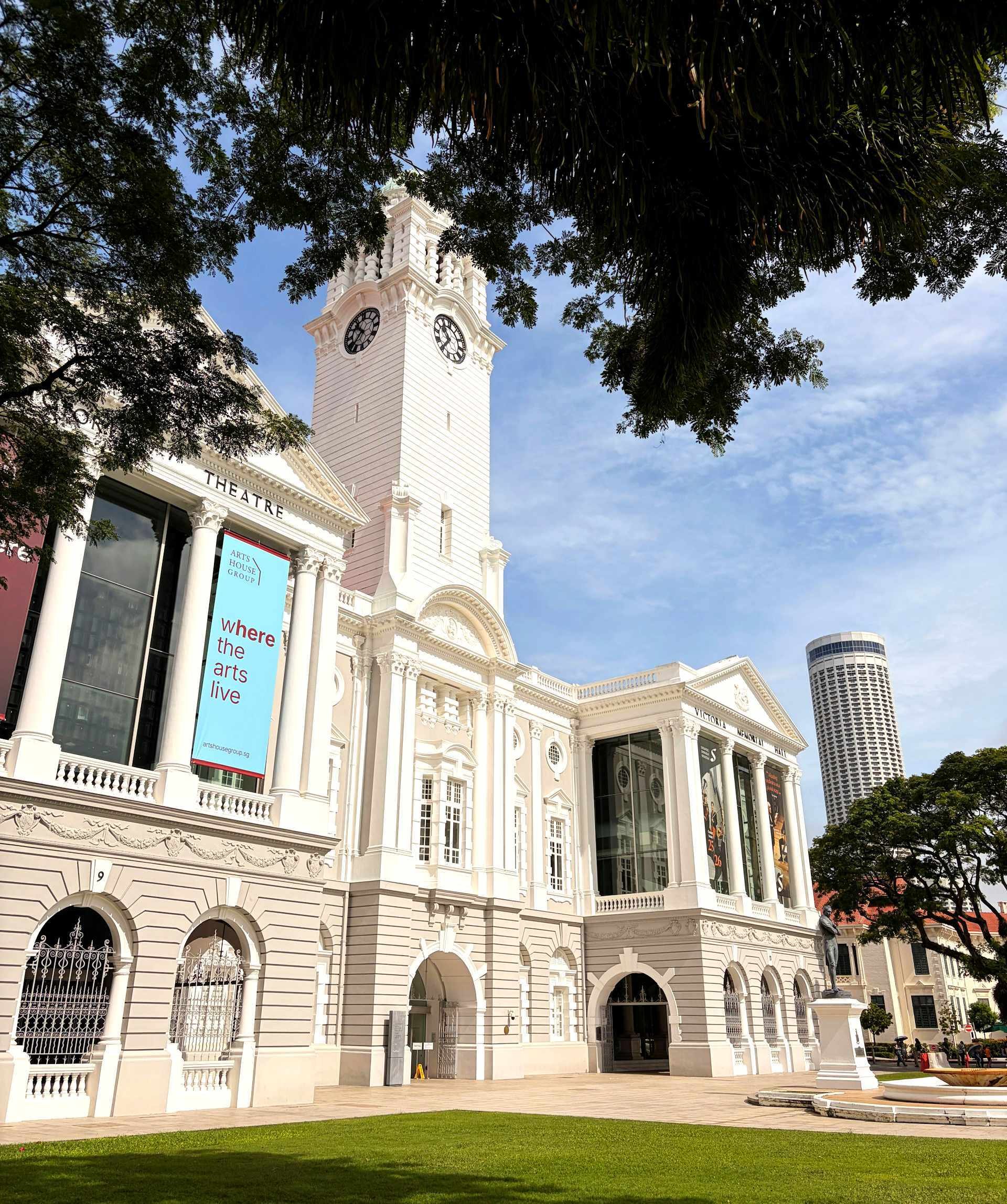
Funding your studies in Singapore is competitive, but the options are there if you have the track record to back it up. Because the country wants to attract the "best and brightest," there are various schemes designed to help international students.
However, you need to be proactive. Most scholarship applications close around the same time as the admissions deadline, so you can't wait until you get an offer to start looking.
You’ll see a mix of government awards, university-specific merit scholarships, and private foundations, so it’s important to manage your expectations: full-ride scholarships that cover both tuition and living costs are rare and extremely difficult to get.
Government Scholarships
The most prestigious awards are the government-funded scholarships, primarily through the Ministry of Education (MOE). The ASEAN Undergraduate Scholarship is a big one for students from the region, covering tuition and providing a living allowance.
There are also more specialized awards like the Dr. Goh Keng Swee Scholarship for students from specific Asian countries. These are "bonded" scholarships, meaning you'll need to work in Singapore for a few years after graduation, which is actually a plus for many who want to gain international work experience.
The selection process is intense, involving multiple rounds of interviews and leadership assessments. They aren't just looking for "book smart" students; they want future leaders who will contribute to Singapore’s economy and society.
If you’re lucky enough to land one of these, it not only takes the financial weight off your shoulders but also adds a massive amount of prestige to your resume from day one.
University-Specific Scholarships
Every major university in Singapore has its own pot of money for merit-based scholarships. These are often awarded automatically based on your application, or they might require a separate essay and interview. For example, NUS and NTU have various "Global Merit" or "College" scholarships that cover a significant portion of tuition fees.
These are great because they often come with fewer strings attached than government bonds. Some are focused on specific disciplines, like Engineering or Business, while others are aimed at promoting diversity on campus.
You might also find bursaries or "top-up" grants for students who are already high achievers but need a bit of extra help to cover the high cost of living. Even if you don't think you’re a "top" student, it’s always worth checking the university’s financial aid portal.
Sometimes there are niche scholarships for sports, arts, or community service that have fewer applicants and a better chance of success.
Merit-Based vs Need-Based Funding
In Singapore, the vast majority of financial support for international students is merit-based. This means the decision is based on your grades, your leadership potential, and your achievements. Unlike some US universities that offer "need-blind" admission or significant need-based financial aid for everyone, Singaporean institutions tend to prioritize academic excellence first.
There is some need-based support available, often in the form of bursaries, but these are typically smaller amounts intended to supplement other funding. As an international applicant, you should be realistic: if you don't have a very strong academic profile, it’s unlikely that the university will fully fund your studies based on financial need alone.
You’ll be assessed against a global pool of applicants, so your "merit" needs to be clearly demonstrated. Most students plan their finances assuming they will pay the fees, treating any scholarship as a bonus rather than a guaranteed part of the plan.
Next Steps for Prospective Applicants

If you’re feeling inspired, the first thing you need to do is hit the research phase hard. Don't just look at rankings; look at the specific modules and the career support each university offers. Start shortlisting three to five programs that align with your goals.
Check the entry requirements: do you need to retake an English test or sit for the SATs? Reach out to current students or alumni on LinkedIn to get the "real" story of what life is like on campus. Map out your financial plan and see if you qualify for any grants or scholarships.
Remember, the early bird gets the worm in Singapore. Getting your documents in order and your application in early gives you the best chance of success. It’s a journey that requires some focus, but the result is a world-class education and a front-row seat to the future of Asia.
If you wish to learn more about hospitality education in Singapore, please don't hesitate to get in touch with us.