
Given the immense climatic challenges we currently face and the growing consumer demand for more sustainable products and services, businesses in every sector are starting to take their environmental impact seriously.
In hospitality, the situation is no different. Energy consumption in the industry is high, with cooling, lighting, heating, and ventilation responsible for up to 60% of a hotel’s CO2 emissions.
Energy-intensive extras such as heated swimming pools, excessive water and plastic use, and food waste also contribute to the industry’s environmental impacts.
Given these unavoidable energy requirements and resource needs, hotels must be smart about increasing energy efficiency and reducing their environmental impact while still delivering exceptional customer experiences.
One way hotels and hospitality companies are achieving more sustainable practices is through sustainable innovations. That's precisely what we'll explore in this article.
Sustainable Hotel Design & Renovation
Decisions made at the design and renovation stage shape nearly everything that follows: how much energy a building consumes, how long its materials hold up, and how much ends up in a landfill.
Getting these choices right from the start is significantly cheaper than retrofitting later. Here is where those decisions carry the most weight, and where some of the most practical innovations in sustainable hospitality are already being put to work.
Rethinking Materials from the Ground Up

The materials a hotel is built and furnished with have a longer environmental impact than most people assume. Many conventional construction materials are energy-intensive to produce, difficult to recycle, and occasionally harmful to the people living or working around them.
An increasing number of hotels are addressing this by prioritizing natural, locally sourced materials like timber, stone, hemp, and wool-based insulation, which require less processing and travel shorter distances to site.
Some properties are going further by adopting cradle-to-cradle principles, selecting materials and furnishings that can be fully recovered or recycled at the end of their useful life rather than sent to landfill.
This moves the question from "what is this made of" to "what happens to it in 20 years." Certifications like LEED, BREEAM, and EcoVadis help hold both hotels and their suppliers accountable to these standards in a verifiable way.
The Circular Economy in Practice
The construction and renovation industry generates a significant amount of waste, and hotels are no exception. A circular approach tries to change that by keeping materials in use for as long as possible. In practice, this means reusing existing furniture, repurposing salvaged materials, and only ordering new when there is genuinely no alternative.
Some hotels have taken this further by designing rooms and spaces with future renovations in mind, choosing modular fittings that can be swapped out and repaired rather than replaced wholesale.
SCHWARZWALD PANORAMA in Germany's Black Forest, for example, worked with certified suppliers to build rooms constructed exclusively from recyclable materials, with formal agreements in place ensuring those materials are taken back and reused beyond their current life cycle.
That kind of contractual circularity is still relatively rare in hospitality, but it points to where the more serious operators are heading. The goal is straightforward: less going to landfill, less being manufactured from scratch.
Sustainable Supply Chains

A hotel's environmental footprint does not begin at its front door. It extends back through every supplier, contractor, and manufacturer involved in building, furnishing, and running the property.
For many hotels, the supply chain is actually where the majority of their environmental and social impact sits, which makes supplier selection one of the more consequential sustainability decisions a hotel can make.
In practical terms, this means asking questions that go beyond price and lead time: where are these materials sourced, under what labor conditions, and how far do they travel to get here?
Partnering with local craftspeople and regional suppliers reduces transportation emissions and keeps money circulating in the local economy. Naturresort Gerbehof in Germany, for instance, sources timber directly from its own land and works with local woodworkers for its furnishings.
For larger procurement decisions, third-party certifications like EcoVadis give hotels a structured way to verify that suppliers are meeting credible environmental and ethical standards, rather than taking claims at face value.
Regular auditing matters here too. Sustainable purchasing policies are only as strong as the follow-through behind them.
Energy-Efficient Infrastructure
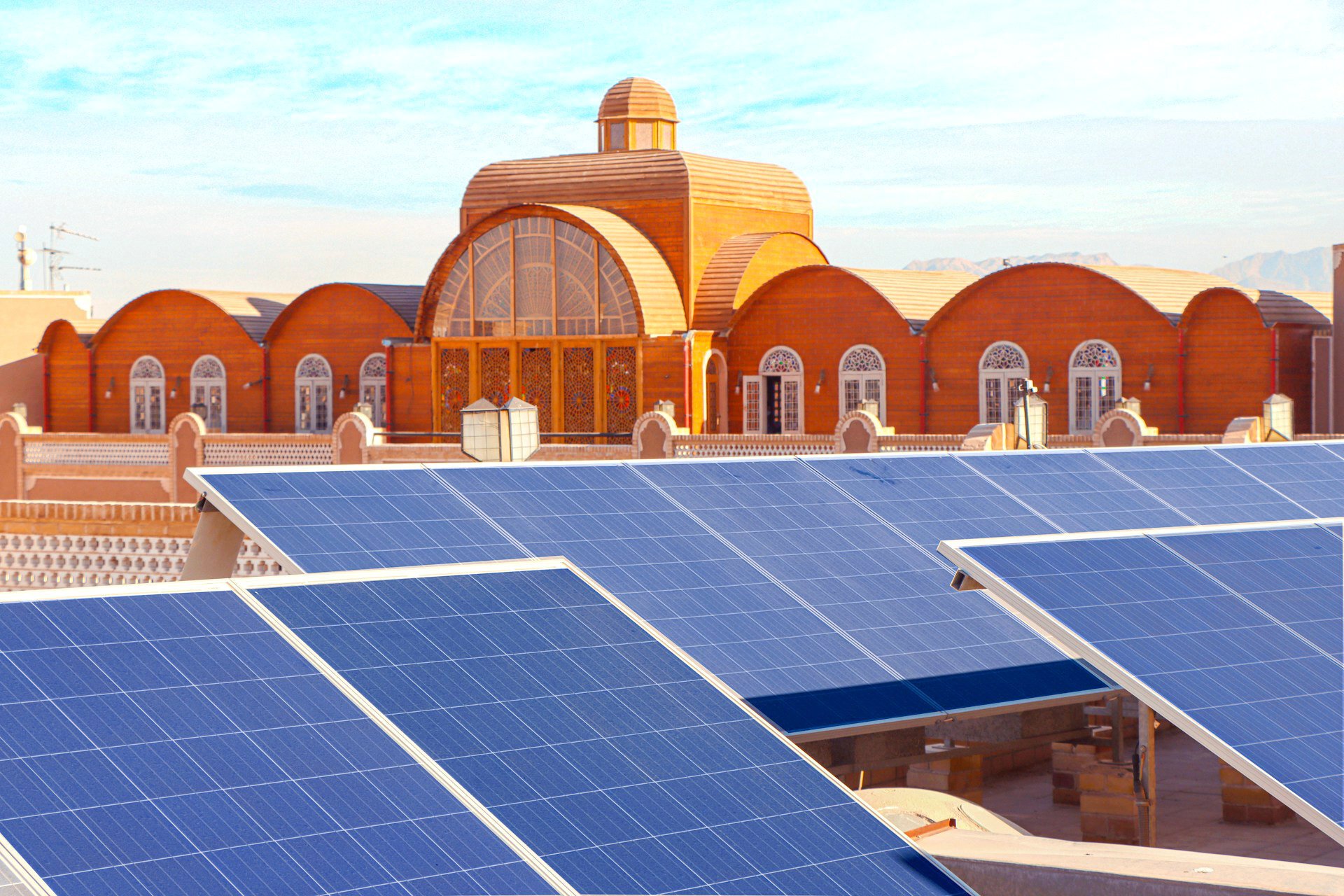
Energy is typically the largest operational cost a hotel carries, and also one of its biggest sources of emissions. Cooling, heating, lighting, and ventilation alone can account for up to 60% of a hotel's carbon output, so improvements here tend to have the most measurable impact.
At the design level, passive strategies come first.
Buildings oriented to make use of natural light and ventilation reduce the load on mechanical systems before they even switch on. From there, smart building technology picks up the slack, using occupancy sensors, automated HVAC controls, and real-time energy monitoring to avoid waste in rooms and spaces that are not in use.
On the energy supply side, solar panels have become one of the more straightforward investments a hotel can make. The economics have improved considerably in recent years, and in many locations, hotels can feed surplus electricity back into the grid.
Paired with a move away from gas-powered heating and cooking toward electric systems, this creates a more manageable path toward reducing fossil fuel dependency.
None of this runs well without basic maintenance discipline. Heating and refrigeration systems that are not regularly serviced drift toward inefficiency quietly, costing more to run and emitting more in the process. Routine checks are unglamorous but they are among the most cost-effective sustainability measures a property can maintain.
Low-Impact Hotel Strategies for Sustainability
Good design creates the conditions for sustainability, but day-to-day operations are where it gets tested. A well-insulated building still wastes energy if rooms are left climatized when empty. Sustainable materials mean little if the kitchen is generating tonnes of food waste each week.
Below, we look at the operational side of the equation: the practices, policies, and systems that determine how a hotel actually performs against its sustainability goals once guests are through the door.
Zero-Waste Operations

The hospitality industry has a significant food waste problem. The UK's hospitality sector alone produces an estimated 920,000 tonnes of food waste annually, with around 75% of that considered avoidable.
For hotels specifically, the buffet model, unpredictable occupancy, and large-scale catering make over-ordering and spoilage genuinely difficult to manage without the right systems in place.
Technology is closing that gap. IoT sensors can monitor refrigerators and flag performance issues before spoilage occurs, while automated inventory systems use usage data to maintain more accurate stock levels and reduce over-ordering.
Some kitchens are also using sensors to track expiration dates and prompt staff to prioritize ingredients before they go to waste. For food that cannot be used, composting keeps organic waste out of landfill and can feed back into on-site gardens or landscaping.
Beyond the kitchen, waste reduction runs through the whole property. Replacing single-use plastic toiletries with refillable dispensers is one of the more visible changes guests notice, and increasingly expect.
Water & Energy Conservation in Rooms
Guest rooms are where resource consumption is hardest to control. Occupancy patterns are unpredictable, guests behave differently than they would at home, and the sheer number of rooms means small inefficiencies multiply quickly across a property.
Water is a good place to start. The average hotel room uses around 1,500 liters per day, up to eight times more than the local population in water-scarce destinations.
Low-flow showerheads and toilets are the most straightforward intervention, reducing consumption without any noticeable impact on the guest experience. Beyond the fixtures themselves, IoT sensors can monitor usage across rooms in real time, flagging leaks and overuse before they become costly.
Hilton, for example, cut its water consumption by 43% between 2008 and recent years through a combination of smart water management systems and property-level conservation measures.
Rainwater harvesting and greywater recycling take this further by reducing how much a hotel draws from municipal supplies in the first place.
Some properties have also introduced demand-oriented systems for high-consumption amenities like pools, filling them only during peak periods and storing heated water in insulated tanks during off-hours rather than continuously maintaining temperature.
On the energy side, the guest room logic is similar: reduce what gets used unnecessarily. Motion-activated lighting and keycard-controlled climate systems ensure heating and cooling are not running in empty rooms.
These are not particularly novel technologies, but adoption across the industry remains inconsistent, and the savings for properties that implement them properly are well documented.
Housekeeping & Linen Practices

Daily room cleaning is resource-heavy. A single linen change involves hot water washing, high-temperature drying, and chemical detergents, multiplied across every occupied room, every day. For a large property running at high occupancy, that adds up to a substantial and largely avoidable environmental load.
Cleaning upon request policies are one of the more practical responses to this. Rather than servicing every room daily by default, hotels offer guests the option to skip housekeeping during their stay. Most guests on shorter stays are comfortable with this, particularly when the environmental rationale is clearly communicated.
It reduces water and energy use, extends the working life of linens and towels, and lowers detergent consumption without meaningfully affecting the guest experience.
Towel and linen reuse programs follow the same logic and have been standard practice in many hotels for years, though the framing matters. Guests respond better when the ask feels genuine rather than a cost-cutting exercise dressed up as environmentalism.
The cleaning products themselves are also worth attention. Many conventional hotel cleaning products contain chemicals that are harmful to aquatic ecosystems when they enter wastewater systems.
Switching to certified, non-toxic alternatives is a straightforward change with a real downstream impact, and a growing number of suppliers now offer effective products that meet both hygiene standards and environmental certifications.
Technology as a Sustainability Tool

For most hotels, the gap between sustainability intentions and actual performance comes down to visibility. Without reliable data on where energy and water are being consumed, and when, it is difficult to know where to focus or whether changes are having any effect.
Smart building systems address this directly. Occupancy sensors connected to HVAC and lighting controls can automatically adjust room conditions based on whether a space is in use, removing the dependence on staff or guests to manually switch things off.
Energy dashboards give operations teams a real-time view of consumption across the property, making it easier to spot anomalies, track progress against targets, and make informed decisions about where investment is most needed.
On the guest-facing side, mobile apps and in-room displays that show real-time energy and water usage have shown some promising results in nudging behavior. When people can see the concrete impact of leaving the air conditioning running or taking a longer shower, a portion of them will adjust. The effect is modest, but across thousands of guest nights it is measurable.
The broader value of technology here is that it turns sustainability from a set of policies into something a hotel can actually measure, report on, and improve over time. That matters increasingly as regulators and investors push for verified emissions data, and as guests become more discerning about which green claims are backed by evidence and which are not.
Carbon Footprint Reduction
Reducing a hotel's carbon footprint requires looking beyond the building itself. Transportation to and from the property, the emissions embedded in the supply chain, and the energy sources powering the operation all factor in, which is why serious operators are increasingly tracking Scope 1, 2, and 3 emissions rather than just the energy bills.
On the guest transportation side, EV charging infrastructure and discounts for guests who arrive by electric vehicle are becoming more common, as are shuttle services running on electric or hybrid vehicles and bike-share programs for local travel.
These are modest interventions individually, but they signal a hotel's priorities and give guests practical alternatives.
Net-zero pledges and carbon offsetting have attracted legitimate criticism when used as substitutes for actual emissions reductions. Offsets are better understood as a last resort for residual emissions that cannot yet be eliminated, not a shortcut past the harder operational work.
Sustainability Trends in Hospitality

The Sustainable Hospitality Alliance is a UK-based charity that aims to transform the industry and advance net-positive hospitality to benefit the planet and people. It claims hospitality businesses must cut carbon emissions by 66% per room by 2030 if environmental benchmarks are to be met.
To date, there has been some progress in hotel sustainability, with the Cornell Hotel Sustainability Benchmarking Index, the leading tool for benchmarking hotel environmental performance, revealing a decrease in water and energy usage among participating hotels.
However, far more still needs to be done to avoid the worst impacts of climate change. Here are some trends that we’re happy to see as efforts towards sustainability.
Net-Zero and Science-Based Targets
Carbon offsetting has dominated hotel sustainability commitments for years, and it is increasingly being scrutinized. Planting trees or funding renewable energy projects elsewhere does not reduce a hotel's actual emissions, and regulators and guests are becoming more alert to the difference.
Science-based targets offer a more credible alternative. Rather than setting arbitrary reduction goals, hotels align their emissions trajectory with what climate science says is necessary to limit warming to 1.5 degrees.
The Sustainable Hospitality Alliance has been working to translate that into sector-specific guidance, giving individual properties a practical framework to work within rather than starting from scratch.
The change happening among more serious operators is from offsetting as a primary strategy toward genuine operational changes: electrifying systems, cleaning up supply chains, and reducing energy demand at the source.
Regenerative Tourism
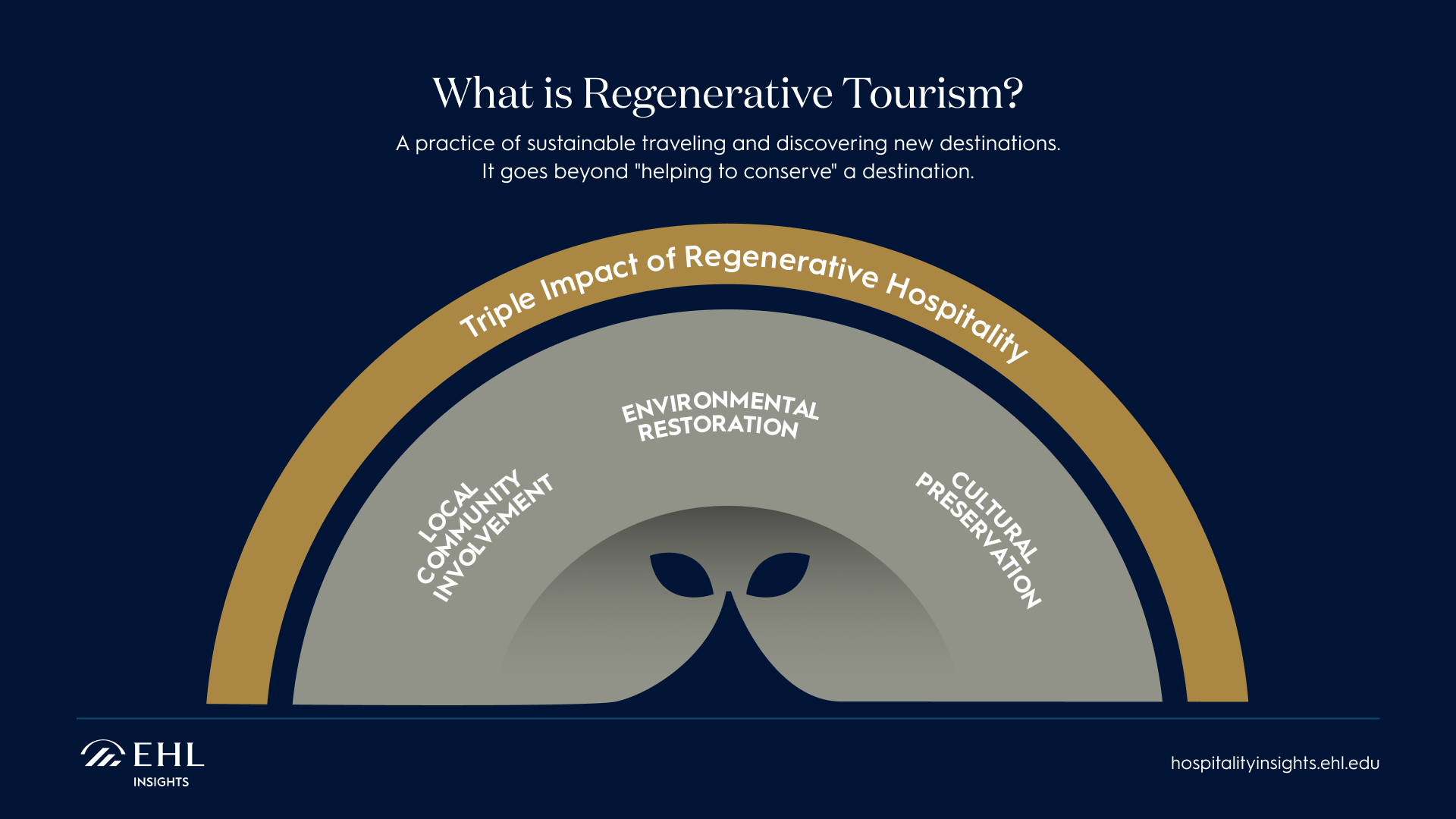
Most sustainability efforts in hospitality are focused on reduction: less energy, less waste, less carbon. Regenerative hospitality starts from a different question, asking what a property can actively give back to the land and community it operates within.
In practice this takes several forms. Some properties are rewilding unused land on their grounds, reintroducing native plant species and creating habitats that had been lost.
Coastal resorts have partnered with marine conservation programs, including coral restoration projects where guests can participate directly. Others have structured land stewardship agreements with local communities, supporting sustainable farming or forestry on surrounding land.
It is still a niche approach, but guest interest in it is growing, particularly among travelers who are skeptical of standard green credentials and looking for something more tangible.
Transparency, Reporting & Green Certification
Sustainability claims in hospitality have historically been difficult to verify. A hotel could market itself as eco-friendly based on little more than a recycling bin in the room and a towel reuse sign in the bathroom.
That is changing, partly through guest skepticism and partly through mounting pressure from investors and regulators who want documented evidence rather than marketing language.
ESG reporting, once the domain of large publicly listed hotel groups, is filtering down to independent properties as booking platforms and corporate travel buyers increasingly request it. Green certifications are evolving in the same direction, moving away from checklist-based badges toward frameworks that measure actual impact over time.
For hotels, the practical implication is that sustainability needs to be tracked and documented as a matter of routine, not assembled retrospectively when a certification audit comes around.
Going Green is a Moving Target
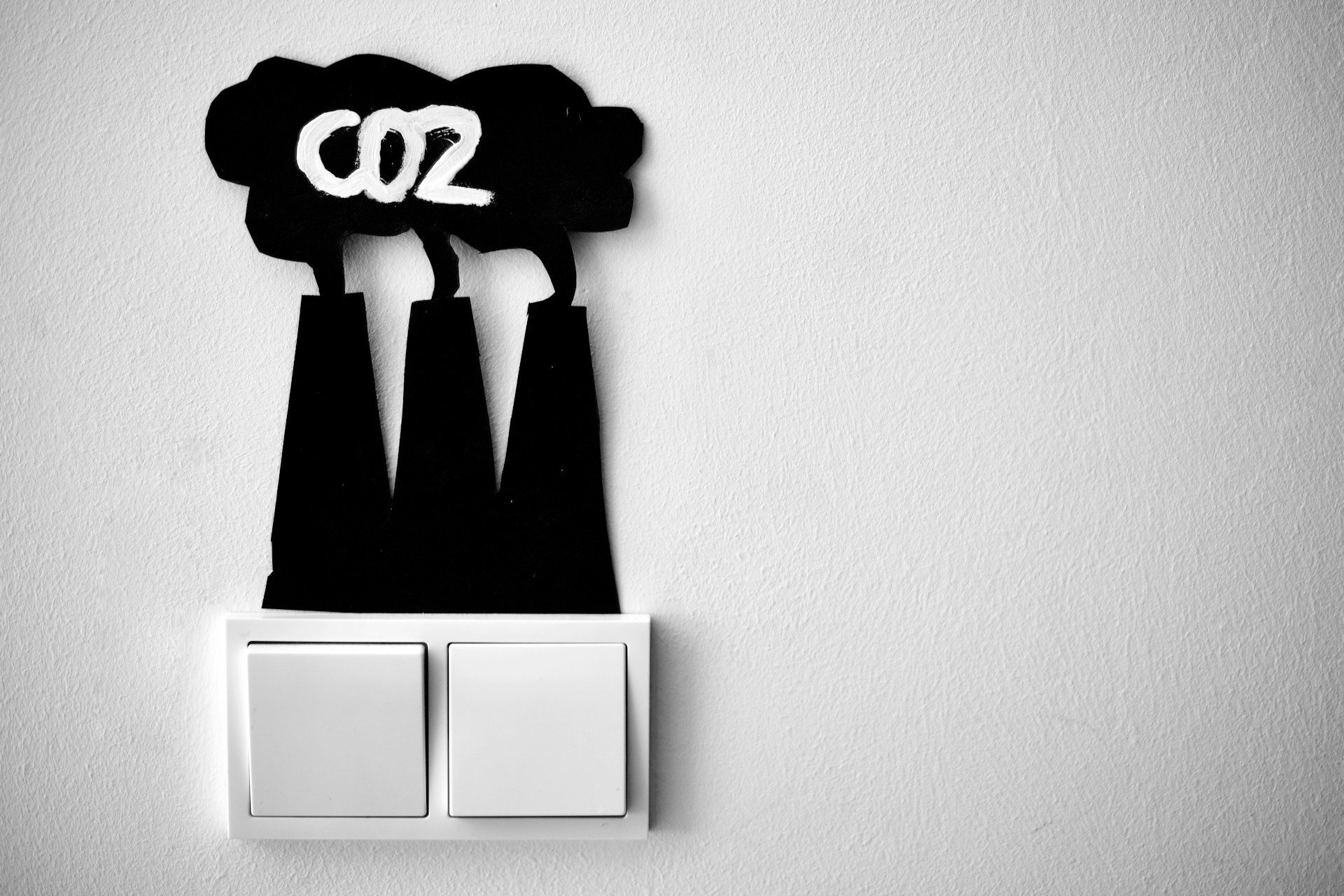
Sustainable hospitality is a practical, operational challenge as much as an environmental one, and the hotels making real progress are the ones treating it as such.
That means measuring what they consume, making incremental improvements across design, operations, and supply chains, and being honest about where they still fall short. There is no finished state to work toward, and no single certification or policy that wraps it up cleanly.
The goal is consistent, demonstrable progress over time.