The difference between food that tastes good and food that tastes great usually comes down to a handful of small things. This article is a rundown of exactly those things.
Some cooking knowledge gets taught in a classroom. The rest gets learned the hard way, through over seasoned soups, ruined sauces, and the gradual realization that a few simple habits separate decent cooking from genuinely good cooking.
This article covers both. You'll find the foundational techniques that culinary schools drill early and often, plus the quieter, harder-to-teach lessons that tend to click only after enough time in a kitchen.
These techniques are basically tools that fix common headaches, like keeping a lean pork chop from turning into a hockey puck or making a sauce look like it came from a restaurant.
None of it requires a culinary degree or a fancy setup. Just a willingness to pay a little more attention to what's already happening in the pan.
Key Takeaways
Whether you're here for the cooking techniques, the kitchen lessons, or just to figure out if culinary school is worth it, here's what this article covers at a glance. Bookmark it, skim it, come back to it. This is a quick map of everything you're about to read:
-
A small set of core techniques (brining, braising, deglazing, reducing, emulsifying, and plating) will improve almost everything you cook.
-
A sharp knife and a stable cutting board are the foundation of good prep work. Everything else builds from there.
-
Tasting as you go isn't optional. Salt, acid, fat, and heat are your main tools for fixing flavor, but only if you're checking in regularly.
-
Understanding when to add what (and why timing matters) separates a cook who follows recipes from one who actually understands them.
-
Recipes are a starting point, not a rulebook. Ingredients vary, kitchens vary, and learning to adjust on the fly is half the skill.
-
Umami, butter finishing, toasting spices, and getting your pan hot enough are small habits with outsized impact.
-
Culinary school teaches technique and repetition. The lessons you can't learn in a classroom come from time spent cooking, making mistakes, and paying attention.
Basic Culinary Skills
Good news: you don't need to enroll anywhere to learn these. These are the techniques culinary schools teach early and drill often, because once you have them down, a huge chunk of cooking starts to make a lot more sense.
Think of them less as rules to memorize and more as tools to reach for. Each one solves a specific problem, whether that's keeping meat juicy, building a richer sauce, or getting food to actually look good on the plate. Pick them up one at a time and you'll start noticing them everywhere.
Brining
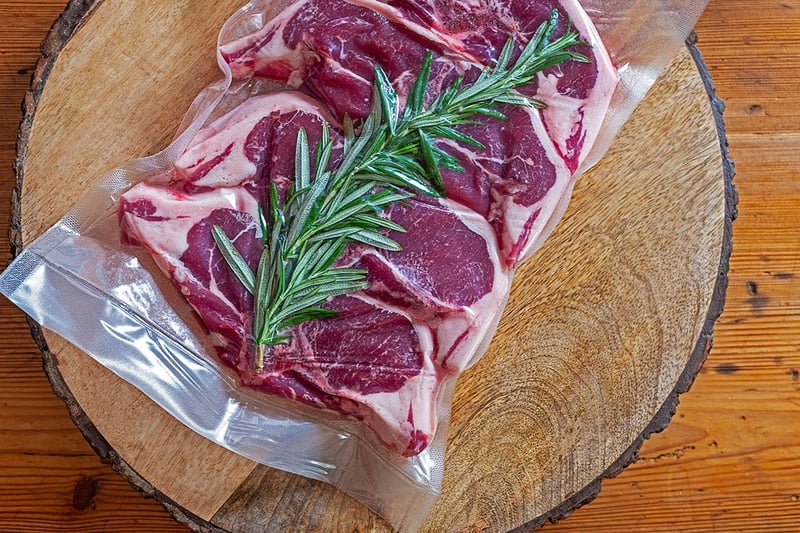
Restaurants brine meat regularly by soaking it in cold salt water, and once you understand why it works, you'll probably wonder why you weren't doing it sooner. When meat sits in a salt solution, the salt begins to break down some of the muscle proteins and gets drawn into the tissue along with the water around it.
The result is meat that starts cooking with more moisture inside it, which gives you a much bigger window before things go dry and tough. It's especially useful for lean cuts like chicken breasts and pork chops, which have very little fat to protect them from overcooking.
A basic brine is one cup of salt to one gallon of water, and a good rule of thumb is one hour of soaking per pound of meat. From there, you can add sugar to balance the saltiness, plus aromatics like garlic, bay leaves, or peppercorns if you want to layer in some extra flavor.
Just make sure the brine is fully cooled before the meat goes in, and keep everything in the fridge while it soaks. Over-brining is a real thing, so sticking to the timing guidelines matters more than you might think.
Searing
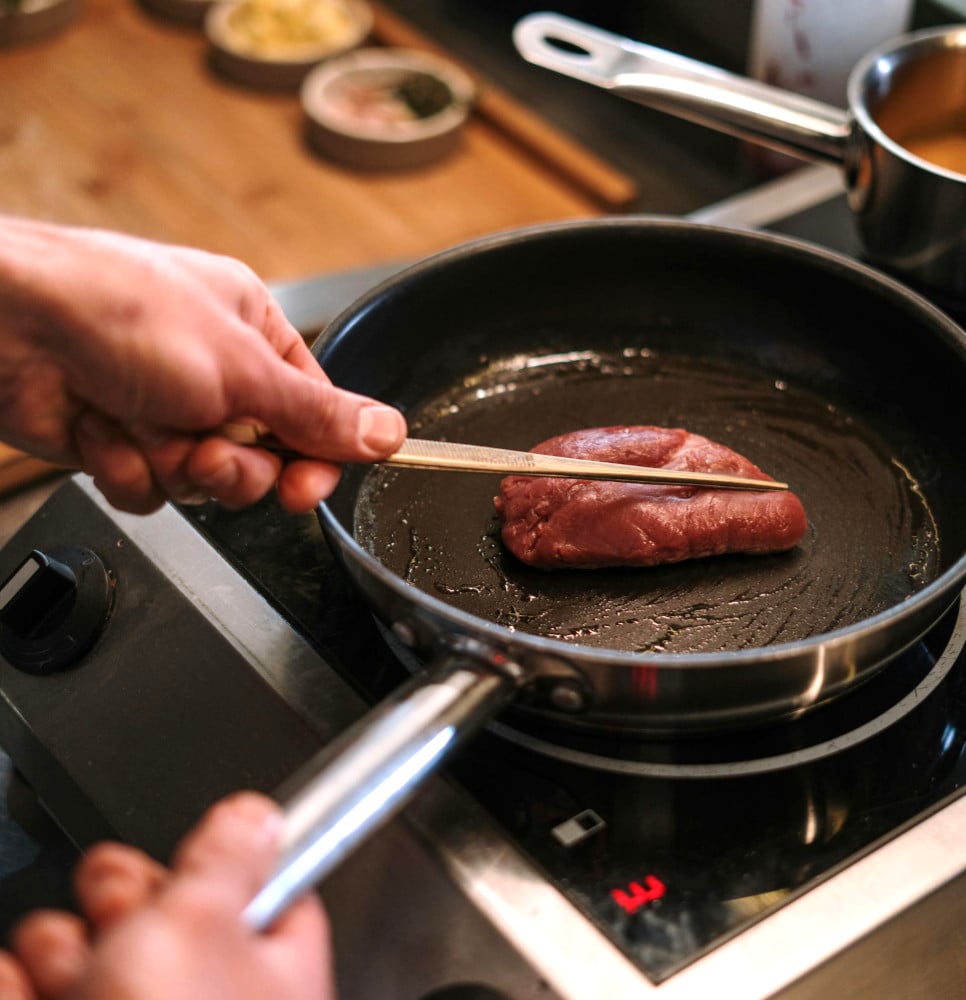
Searing is typically done at the start of a braise or roast to build a flavorful crust before the slower cooking takes over. It gets oversimplified into "cook it hot to seal in the juices," which isn't quite accurate.
What's actually happening is the Maillard reaction: a chemical process where high heat transforms the surface proteins and sugars in meat into hundreds of new flavor compounds. That deep brown crust is a whole layer of flavor that doesn't exist without it.
It’s simple: a hot pan, dry meat, and patience. Patting meat dry before it hits the pan makes a bigger difference than most people expect, because surface moisture steams rather than browns. And resist the urge to move things around.
A good sear needs contact time, and the meat will release naturally once the crust has formed. Forcing it early just tears the surface and undoes the whole thing.
Braising

Braising is the kind of technique that turns cheap, tough cuts of meat into something genuinely impressive, and it does it without much fuss. The basic idea is to brown your meat first (don't skip this part), then cook it low and slow in a small amount of liquid with the lid on.
The browning builds flavor through the Maillard reaction, and the long, gentle cook breaks down the connective tissue in tougher cuts like short ribs, lamb shanks, or pork shoulder. What you end up with is meat that's tender enough to pull apart with a fork, sitting in a naturally rich, flavorful sauce. It's one of those techniques that rewards patience more than precision.
Skimming
Skimming is easy to overlook, but it makes a noticeable difference in soups, stocks, and braises. As proteins and fats rise to the surface of a simmering liquid, they form a grayish foam or oily layer that can make your dish taste muddy or overly heavy if left in.
Skimming just means using a ladle or spoon to periodically remove that stuff from the top. It's not glamorous, but it's the reason restaurant stocks taste cleaner than homemade ones.
The trick is to keep your liquid at a gentle simmer rather than a rolling boil: a hard boil churns everything back in before you can skim it off. A little patience here pays off in a noticeably cleaner-tasting final dish.
Deglazing
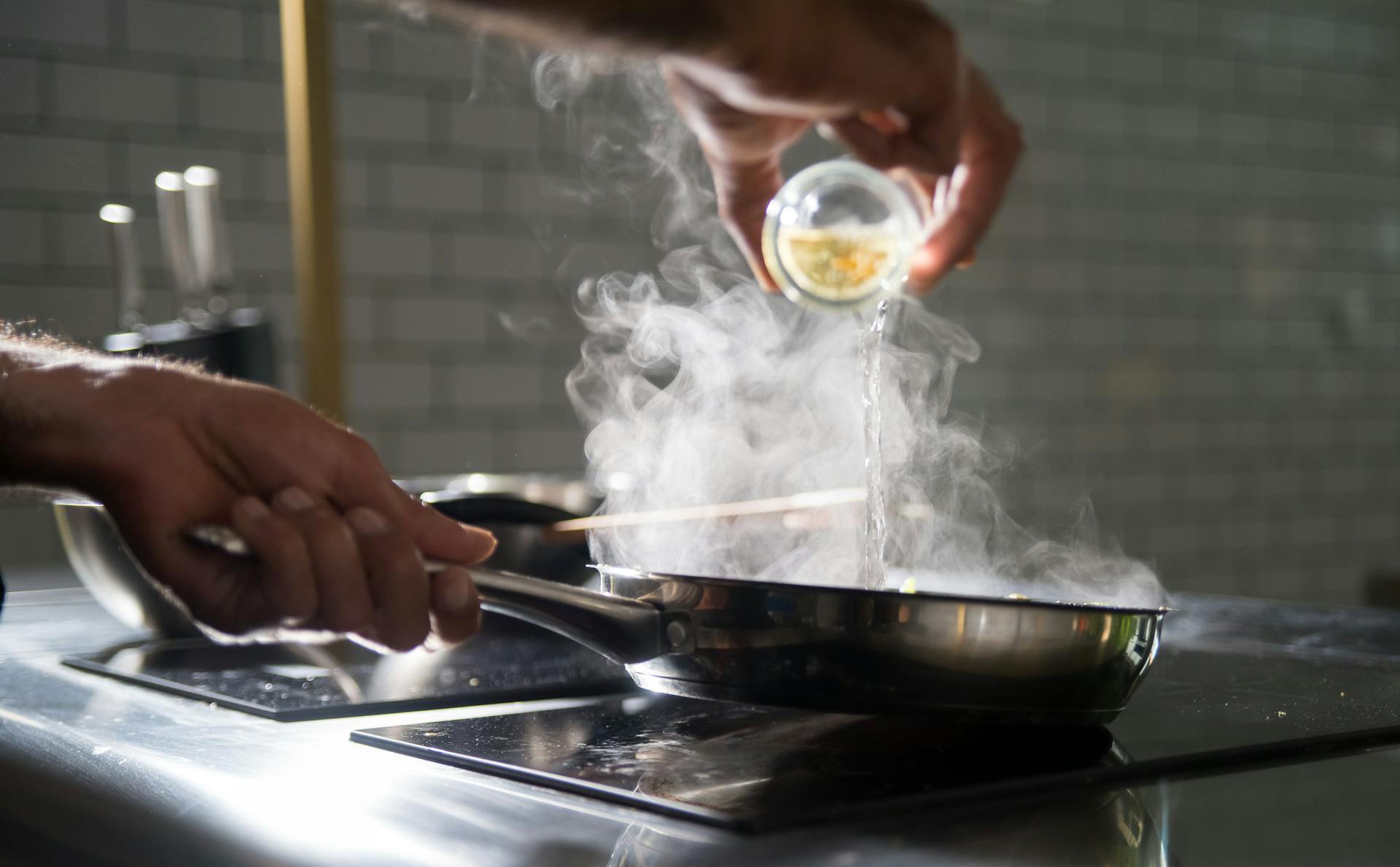
After you've seared meat or vegetables in a hot pan, you'll notice a layer of browned bits stuck to the bottom. That's not burnt, that's flavor, and deglazing is how you get it off the pan and into your dish. Simply pour a liquid (wine, stock, even water in a pinch) into the hot pan and use a wooden spoon to scrape up all those caramelized bits.
They dissolve right into the liquid and form the base of a genuinely good pan sauce in minutes. Deglazing is one of those skills that doesn't require any special equipment or much time, just a hot pan, some liquid, and the habit of not washing away all the good stuff before you've used it.
Emulsification
Emulsification sounds like a chemistry class word, but you've already eaten the results of it dozens of times. Mayonnaise, hollandaise (one of 5 five mother sauces), vinaigrette; these are all emulsions, meaning fat and water have been coaxed into a stable, creamy mixture rather than separating into two layers.
The key player is usually an emulsifier like egg yolk or mustard, which contains molecules that bond to both fat and water simultaneously, acting as a kind of mediator. In practice, this means adding oil slowly while whisking, giving the emulsifier time to do its job.
Rush it and the sauce breaks. Done patiently, you get a smooth, cohesive texture that transforms simple ingredients into something that tastes far more refined.
Reduction

Reduction is just the process of simmering a liquid until some of the water evaporates, leaving behind something more concentrated and flavorful. It's how you turn a thin, watery pan sauce into something glossy and rich, or how a splash of wine becomes deeply savory rather than just boozy.
The longer you reduce, the more intense the flavor, and the thicker the texture. You don't need any thickening agents; the natural sugars and proteins just concentrate on their own. The main thing to watch is salt: if your liquid is already seasoned, reducing it will amplify the saltiness, so it's usually best to hold off on seasoning until after your reduction is done.

Lessons From The Kitchen
No culinary school puts these on a syllabus, because you can't really teach them in a classroom. They're the kind of thing that only sticks after you've oversalted a sauce, rushed a caramelization, or served something that tasted fine but looked like an afterthought.
Time in the kitchen has a way of handing out the same lessons repeatedly until they finally land. The good news is you can borrow a few of them without having to earn them the hard way.
Taste As You Go
This one sounds obvious until you realize how easy it is to skip. Cooking pulls your attention in several directions at once, and tasting regularly is the first habit to slip. But if you only try a dish when it hits the plate, you've missed every opportunity to actually fix it. Salt needs time to integrate. Acid added too late can taste sharp and raw.
Spices bloom differently at different stages of cooking. Tasting early and often means you're making small, manageable adjustments throughout rather than one panicked correction at the end.
Think of it less as quality control and more as an ongoing conversation with what's in the pan. The ingredients will tell you what they need, you just have to keep checking in.
Mise En Place: Getting Organized
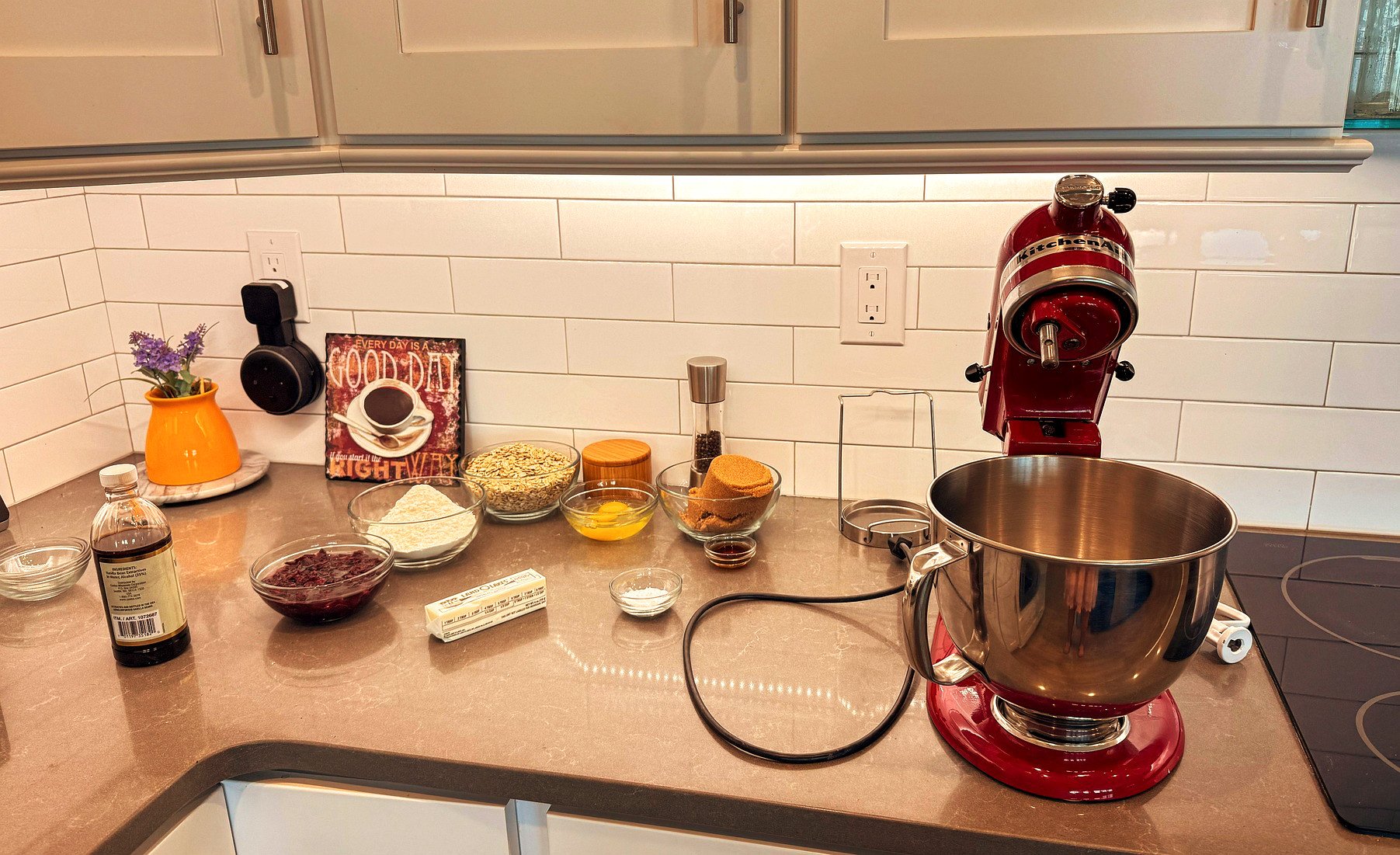
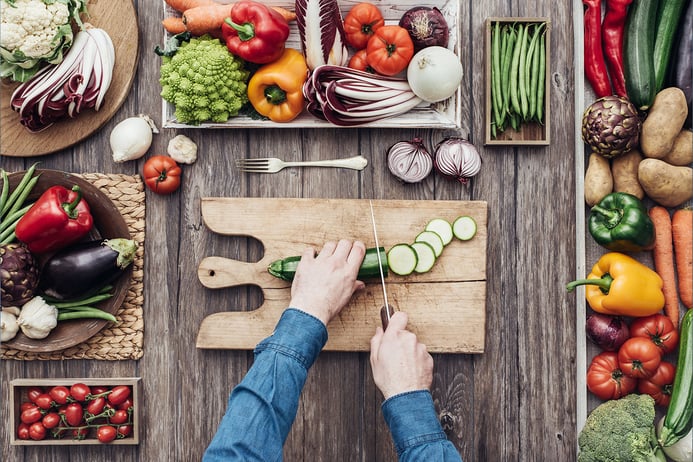
Get organized before you begin cooking. Culinary students call this “mise en place”. To get your mise together, get out your pots and pans, utensils, cutting board and knife, and raw ingredients. Measure dry goods, like rice or spices. Chop up all your meat and veggies.
Then, when everything is prepared, you can easily cook your meal while giving the food your full attention. If you're the sort of cook who accidentally chars a sauce pan full of veggies because you are rifling through the spice cupboard trying to find your dried tarragon, this will help.
You might be surprised to find cooking actually takes less time, which means you want to do it more often.
Toast ≠ Burn
Toasting nuts and spices in a dry pan is one of those small steps that punches well above its weight. Heat activates and intensifies the natural oils inside both, which is where most of the flavor lives.
A raw spice sprinkled into a dish tastes flat compared to one that's had thirty seconds in a hot pan first. The difference is genuinely noticeable.
The technique is straightforward: no oil, medium heat, and keep things moving with a spatula or by swirling the pan. Your nose is the most reliable timer here — when the kitchen starts to smell like whatever you're toasting, you're close.
That's the moment to pay attention, because the gap between perfectly toasted and burnt is surprisingly narrow and doesn't announce itself far in advance.
Is Your Pan Hot Enough?
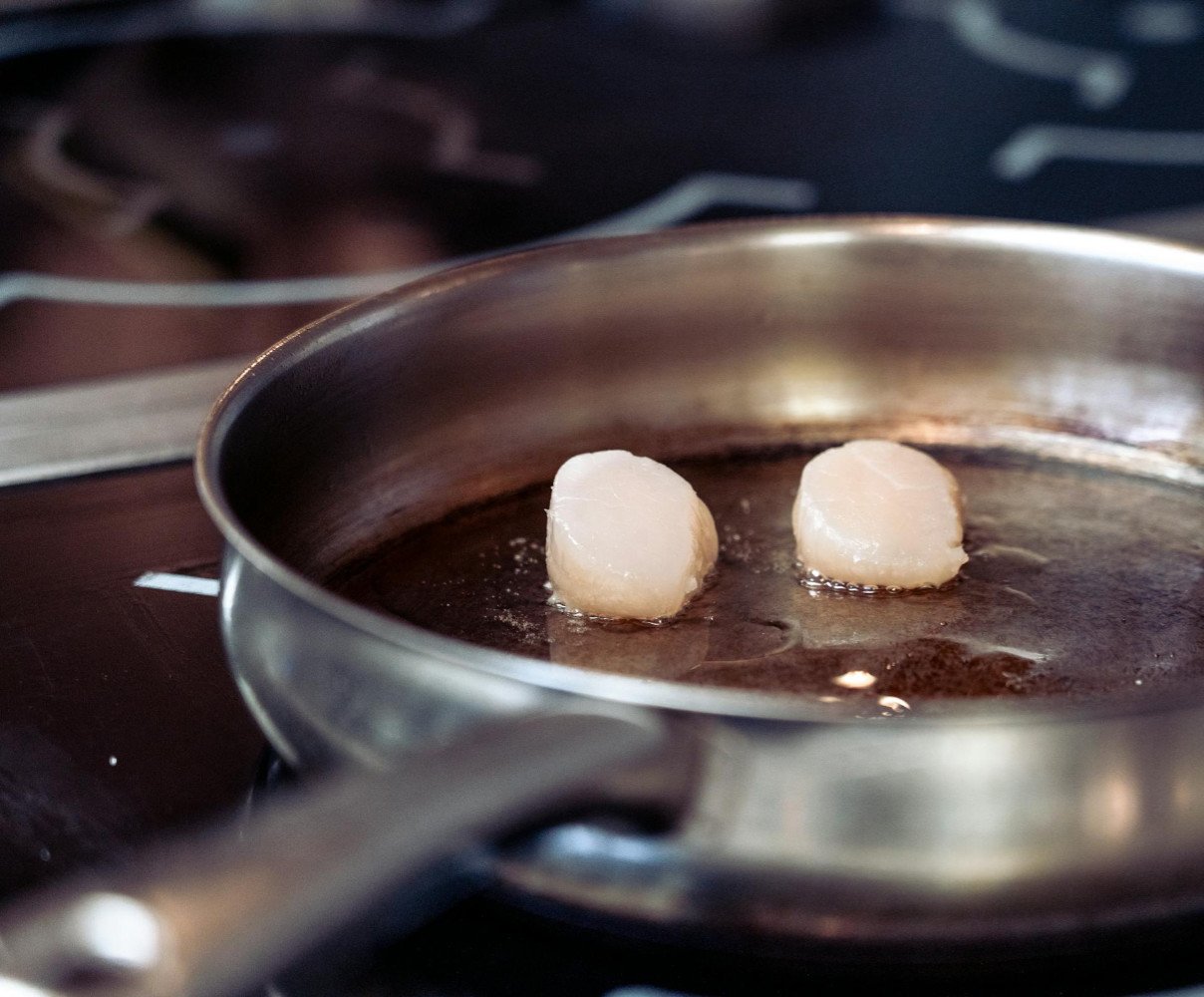
This not being the case is one of the most common reasons home cooking falls short of restaurant results. A pan that isn't hot enough before food hits it is the difference between a good sear and sad, grey, steamed meat.
Here's a simple test: flick a few drops of water into the pan. If they evaporate on contact, you're not there yet. If they bead up and skitter around the surface, the pan is ready. For most searing and sautéing, you want the oil to shimmer and move fluidly when you tilt the pan, that's your green light.
The other side of this is knowing when to deliberately start with a cold pan, like when rendering bacon or cooking garlic, where low and slow is the whole point.
Clean As You Go
Once you start missing your ingredients, you will have pockets of time while you wait for, say, water to boil for pasta. Take this time to clean up the kitchen so you don't need to do all of the dishes at the end.
Load the dishwasher, wipe down the counter, and wipe off the cutting board while you wait for the next step in your recipe. As you get into the habit of cleaning while you go, you'll love being able to eat healthy food without having to spend an hour cleaning up when dinner is done.
Salt, Fat, Acid, Heat: Understand the Balance
Think of these four elements as the main dials on a mixing board. When a dish tastes off but you can't quite put your finger on why, one of them is usually out of balance. Developing an intuition for this ratio is one of the most essential cooking skills.
Salt is the most straightforward. It doesn't just add saltiness, it amplifies everything else in the pan and brings flavors forward. It's a big reason restaurant food tastes more vivid than the same dish made at home.
Fat carries flavor and adds richness, but too much of it without a counterpoint makes things feel heavy. That's where acid comes in. A squeeze of lemon or a splash of vinegar cuts through richness and wakes a dish up in a way that's hard to explain until you've tried it. Acid also brightens dishes that taste dull even when the seasoning seems right.
Sugar is the quieter one, but it earns its place. A small pinch can round out bitterness, coax more flavor from underripe produce, or balance a sauce that's gone a little too sharp from acid.
Heat (the spicy kind, from chili, ginger, black pepper, or horseradish) adds a different dimension altogether. It creates warmth and contrast, and in the right amount it makes everything around it taste more interesting. Like acid, a small amount goes a long way toward making a dish feel alive rather than flat.
Stop Checking On Your Meat (Or Do It The Right Way)
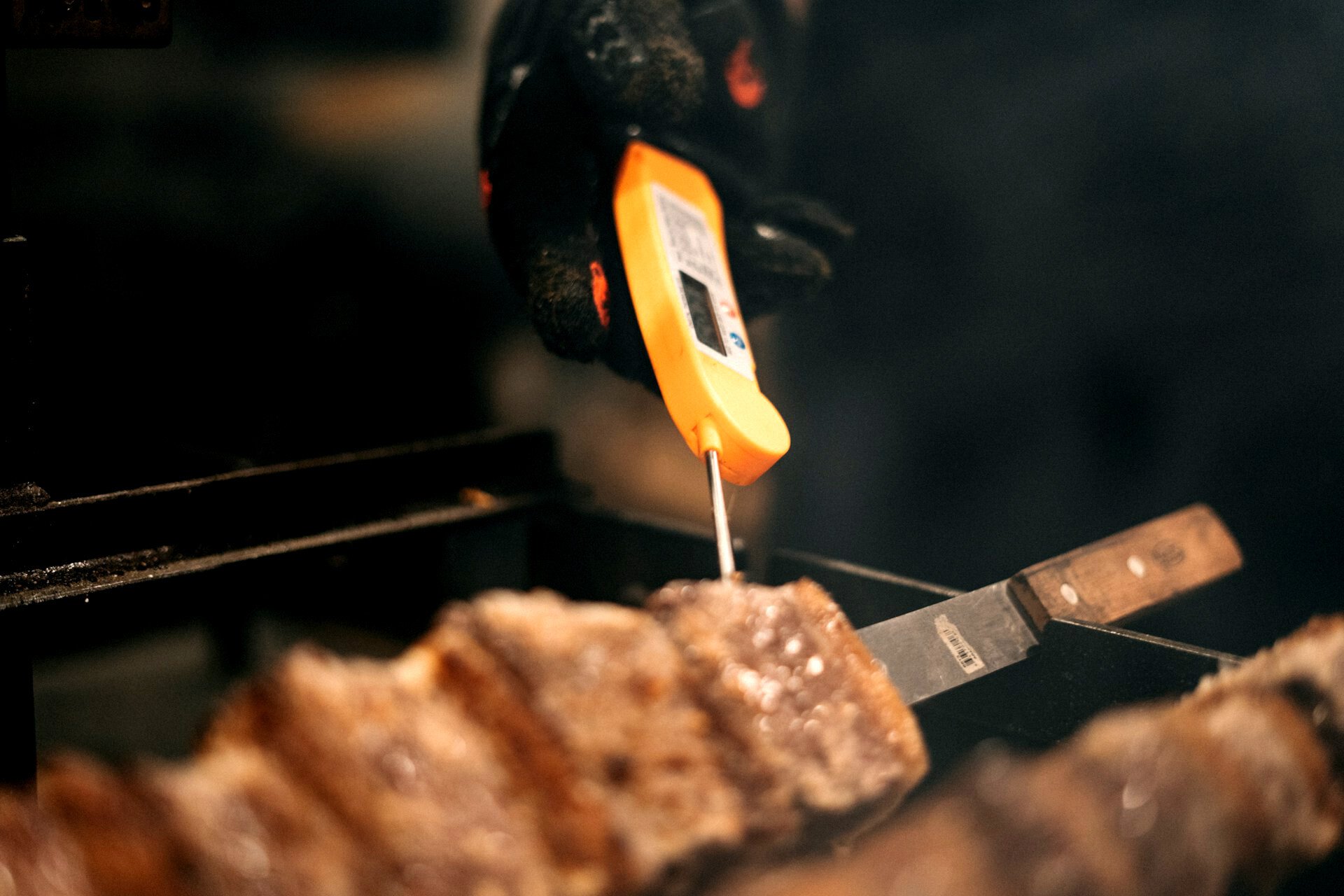
Most home cooks are impatient when cooking meat, or more likely nervous that the meat will overcook. Whether you're cooking beef or chicken, meat takes a long time to brown.
Turn the heat to high, let the meat cook in the pan, and know that the meat will naturally release when it has browned. Flip the meat when it releases, repeat, and practice patience. If you want reliable results, use a meat thermometer.
After you sear your meat perfectly, place it on the cutting board and give it a couple of minutes to rest. Resting meat distributes those juices throughout the cut of meat, so they don't pool all over the cutting board when you cut into it.
Master Your Knife
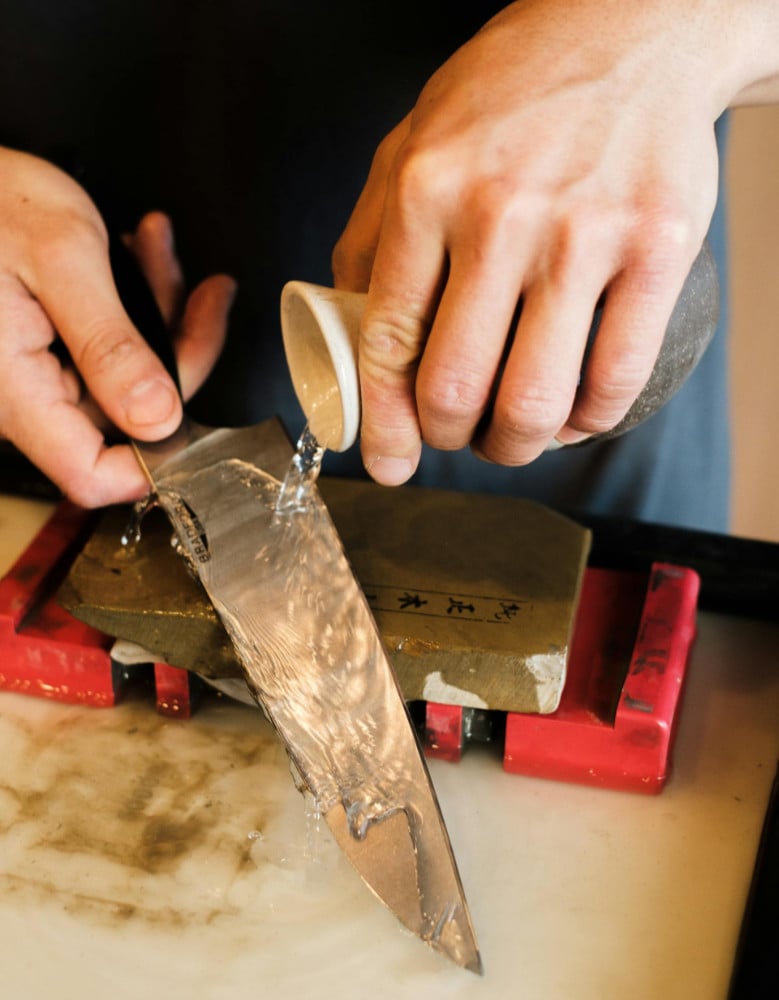
You don't need a drawer full of specialty blades. What you actually need is one good chef's knife, a paring knife for detailed work, and the habit of keeping them sharp. A dull knife is slower, less precise, and ironically more dangerous than a sharp one, because you end up forcing it through food instead of letting it do the work.
It also does real damage at a cellular level. A dull blade crushes rather than cuts, rupturing cell walls and causing ingredients to release moisture and enzymes prematurely. This matters more than you'd think: herbs bruise and wilt faster, onions get sharper and more tear-inducing, and soft fruits lose juice before they even hit the pan.
Which brings us to sharpening. A honing steel keeps your edge aligned between uses, but it doesn't replace actual sharpening. A whetstone does the real work: it removes a small amount of metal to restore the blade's edge.
It takes a bit of practice to get the angle right, but once you get the hang of it, it's satisfying and your knife will outperform anything a pull-through sharpener can do. Aim to sharpen a few times a year depending on how much you cook.
Cutting board choice matters too. Wood and plastic are both fine for most tasks. Glass and ceramic boards look sleek but are genuinely hard on blades; they dull an edge fast and should be avoided if you actually care about your knives.
Whatever board you use, keep it from sliding around by placing a damp cloth underneath it. The speed and confidence come with time. The sharp knife and stable board are the foundation everything else builds on.
Build Flavor in Layers
The difference between food that tastes flat and food that tastes fully realized usually isn't a secret ingredient, it's the order things were cooked in. Building flavor in layers means adding ingredients at different stages rather than throwing everything in at once.
You sweat your aromatics first. You toast your spices before the liquid goes in. You brown your meat before it braises.
Each step creates new flavors that stack on top of each other, and by the time everything is done, the dish has a depth that a single-stage cook just doesn't get. It takes a little more attention, but not much more time, and it's one of the bigger upgrades you can make to everyday cooking.
There’s Salt In More Than Just Salt
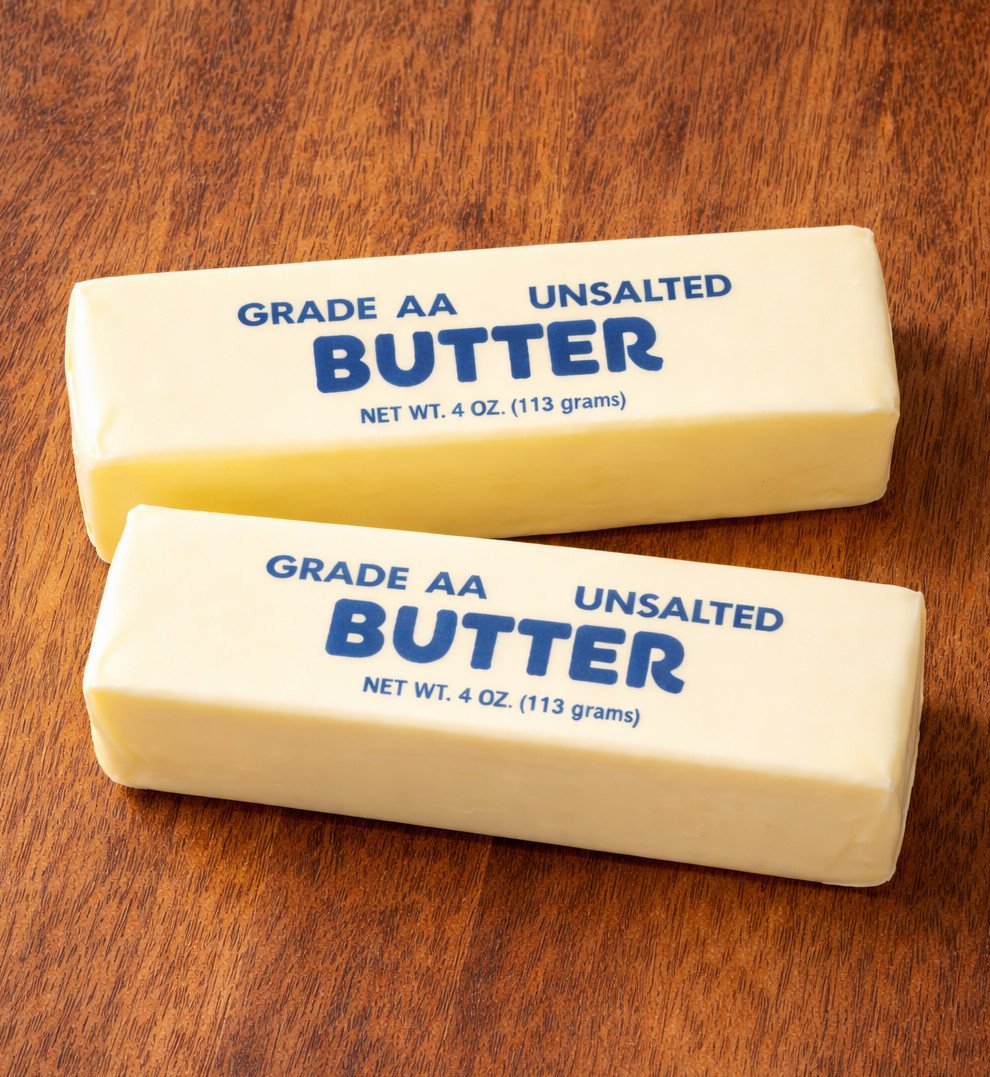
Before you reach for the salt shaker, it's worth taking stock of what's already in the pot. Soy sauce, fish sauce, miso, salted butter, canned broth, parmesan, anchovies, capers. all of these bring serious sodium to the table, and they add up fast without you realizing it.
The classic rule applies: you can always add more salt, but you can't take it back out. Pro tip: use unsalted butter as often as you can, especially if your dish contains other sodium-rich ingredients.
So if your dish already has a few salty contributors doing their thing, taste before seasoning rather than seasoning out of habit. An oversalted dish is a tough fix. Usually the best you can do is dilute it, and that's not always an option.
Know When to Add What
Timing is one of those things that separates an okay cook from a more instinctive one. A clove of garlic thrown in at the start of a long braise will mellow into the background; the same clove added near the end stays sharp and pungent.
Dense vegetables like carrots and potatoes need time; spinach and fresh herbs need almost none. Delicate dairy like cream can break if it goes in too early over high heat.
Getting a feel for what cooks fast versus slow, what survives long exposure to heat and what doesn't, lets you build a dish where everything finishes at the right moment. It comes with practice, but paying attention speeds the process up considerably.
Don’t Be a Stickler for Recipes
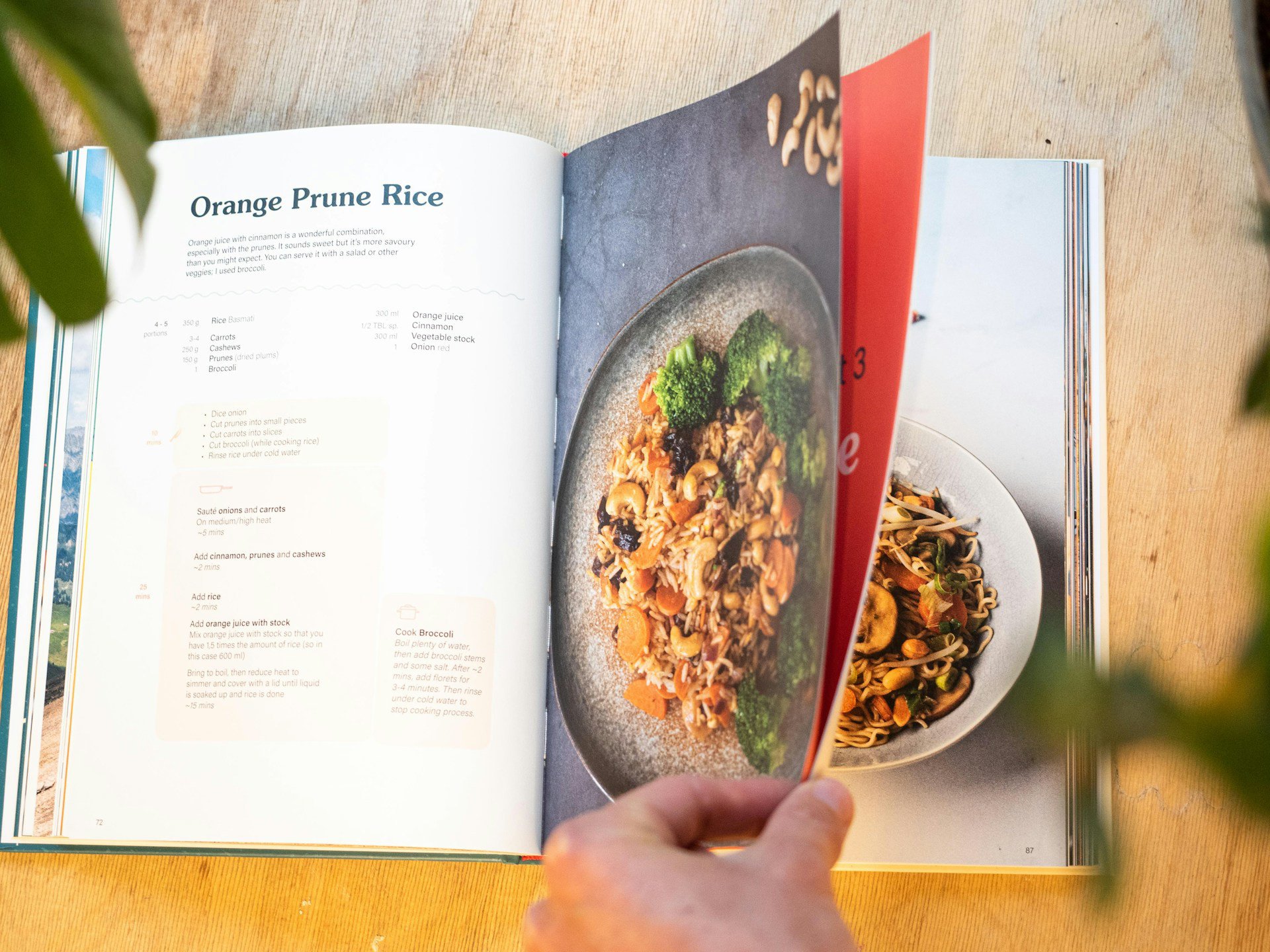
Recipes are a great starting point, and for baking in particular, the ratios matter enough that you should follow them closely, at least the first time. But in savory cooking, a recipe is really more of a framework.
Don't have thyme? Rosemary will probably work fine. Not a fan of how much chili goes in? Pull it back. Cooking the same dish a few times and tweaking something each time is genuinely how you develop a feel for food.
The cooks who get most comfortable in the kitchen are the ones who stopped treating recipes like legal documents. Follow them enough to understand the logic, then start making them yours.
Umami Is Not a Buzz Word
"Umami" gets thrown around a lot, which has given it a slightly eye-roll-inducing reputation. But strip away the food media hype and it's actually a straightforward and useful concept.
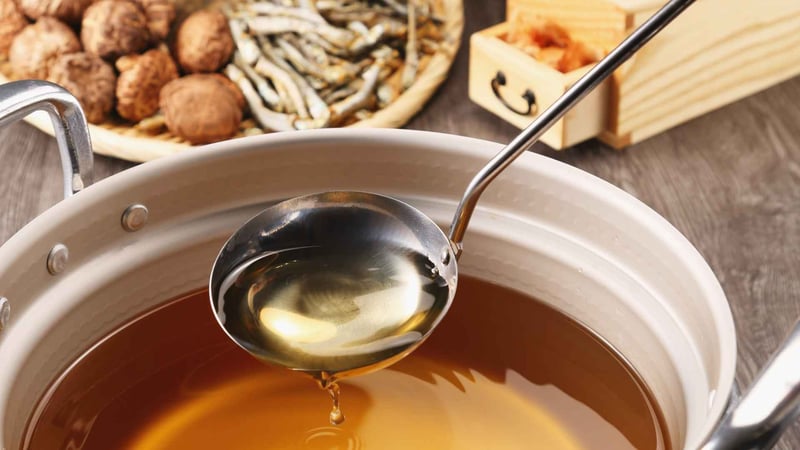
It's simply the savory, deeply satisfying quality found in things like aged cheese, mushrooms, tomato paste, soy sauce, and slow-cooked meat. When a dish tastes somehow incomplete even though the seasoning seems right, umami is usually what's missing.
Adding a spoonful of tomato paste to a braise, or finishing pasta with a little parmesan, or stirring miso into a sauce, these are just ways of dialing up that savory depth. Once you know what you're tasting for, it's easy to work with.
Finish Your Sauces With Some Unsalted Butter
This one is less a technique and more a small habit worth picking up. When you're finishing a pan sauce, pull it off the heat and stir in a pat of cold butter right at the end.
The butter emulsifies into the sauce and gives it that glossy, slightly thickened look you'll recognize from restaurant plates. It also rounds out the flavor in a way that's hard to attribute to any single thing. It just tastes more “complete”.
The key is to do it off the heat, because if the pan is too hot the butter breaks and you lose the effect. It takes about ten seconds and makes a noticeable difference.
Proportions in Recipes Aren’t Universal
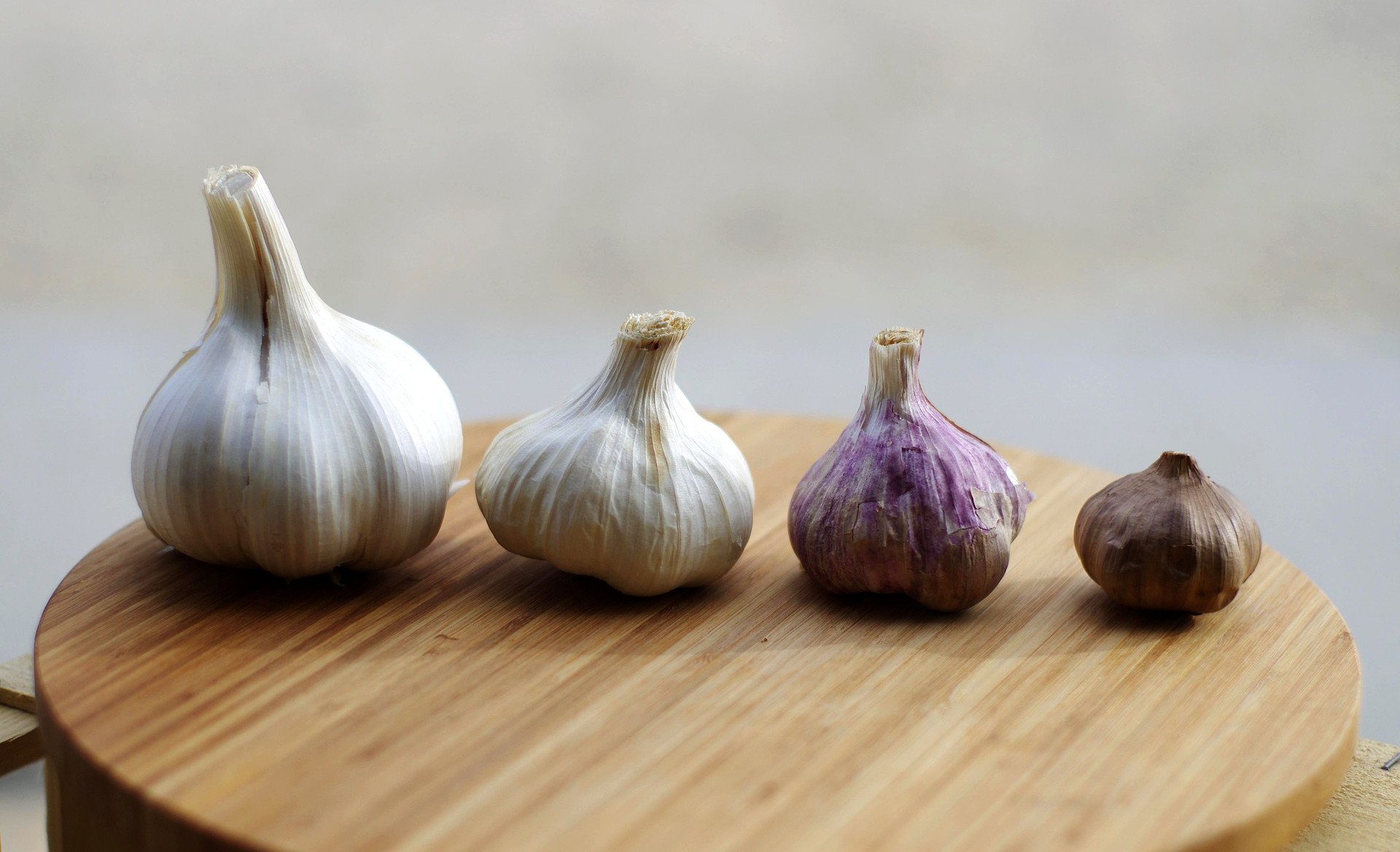
A recipe that calls for one large tomato was written with a specific tomato in mind, not what you have in the pantry. Produce varies wildly by size, ripeness, water content, and season, which means following volume or count measurements too literally can quietly throw a dish off.
A watery summer tomato and a dense, concentrated winter one are functionally different ingredients. The same goes for garlic cloves, lemons, chili peppers, and onions. This is another reason tasting as you go matters more than strict adherence to quantities.
Use the recipe's proportions as a guide, but trust what's actually in the pan. Your ingredients will tell you more than the numbers on the page will.
Don’t Overthink Plating
Plating is one of those things where a small amount of intention goes a long way. You don't need to stack food into a tower or paint sauces across the plate. In fact, that kind of thing usually gets in the way.
The basics matter more: don't overload the plate, leave some negative space so the food has room to breathe, and think about height and color contrast. A sauce looks better spooned underneath a piece of protein than poured over it.
A garnish should be something edible that actually belongs in the dish. The goal isn't to make food look fussy, it's to make it look like you thought about it. A little care in the final step changes how people experience everything that came before it.
FAQs
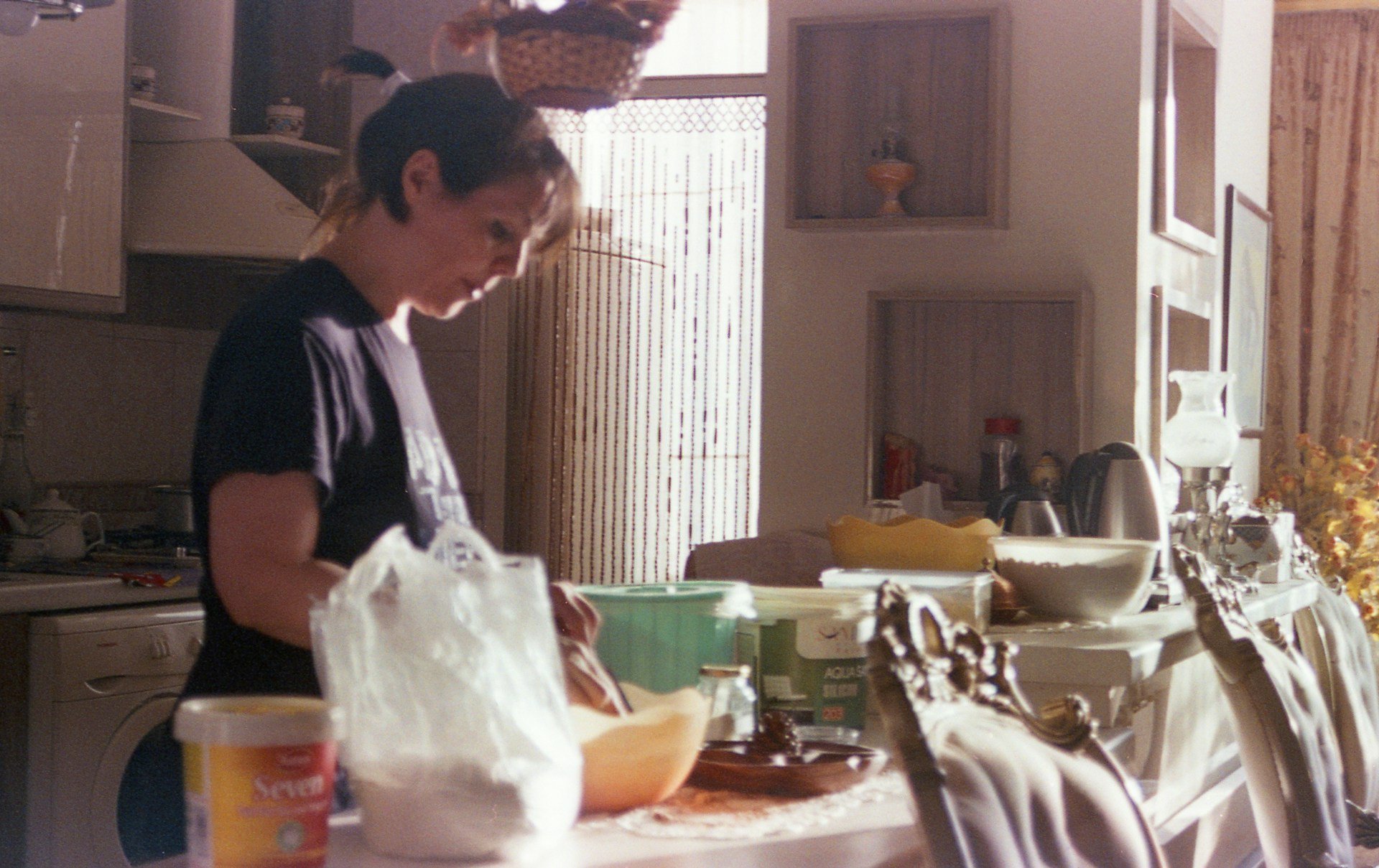
Culinary school raises a lot of questions before people ever set foot in a kitchen classroom. These revolve around what the day-to-day actually looks like, whether it's worth the investment, and what kind of careers come out the other side.
The answers are rarely one-size-fits-all, because a lot depends on the program, the person, and what they're hoping to get out of it. Here are some of the most common ones, answered as straightforwardly as we can manage.
What do you learn in culinary school?
The fundamentals, mostly. Knife skills, classical cooking techniques, baking basics, food safety, and how a professional kitchen actually operates. Depending on the program, you'll also get into nutrition, menu planning, and some business fundamentals for running a restaurant.
The real value isn't any single lesson though, it's the repetition. You make the same stocks and sauces enough times that the logic behind them starts to feel natural. Some programs also include externships, which put you in a real kitchen before you graduate.
What will you learn when following a Culinary Arts curriculum? Discover the world of restaurant management.
Is culinary school hard?
It's demanding in a specific way. The technical skills take real practice to develop, the environment is fast-paced, and you're on your feet for long stretches. Early on, a lot of students find the precision required (especially in baking and classical technique) more rigorous than expected.
That said, if you genuinely enjoy cooking, the work rarely feels like a grind. The bigger challenge for most people is less about the curriculum and more about adjusting to the pace and physicality of kitchen life before they've built up stamina for it.
What is the highest paying job in culinary?
Executive chef roles at high-end restaurants or large hotel groups tend to sit at the top of the salary range, but corporate food service is often where the bigger, more stable money is. Food scientists, culinary directors at large restaurant chains, and private chefs for high-net-worth clients can all earn well above what most restaurant kitchens pay.
The honest answer is that the highest earners in food usually combine culinary training with business, media, or product development skills rather than staying purely on the cooking side.
What is one disadvantage to culinary school?
The cost relative to entry-level pay in the industry is the most practical concern. Tuition at well-known culinary programs can run into the tens of thousands, and most graduates start in kitchen roles that don't pay especially well.
It takes years of working up through a kitchen to reach positions that justify that kind of investment. Plenty of successful chefs are self-taught or learned through apprenticeships, so culinary school is one path in, not the only one. It's worth weighing carefully before signing up.
What are the 5 basic cooking techniques?
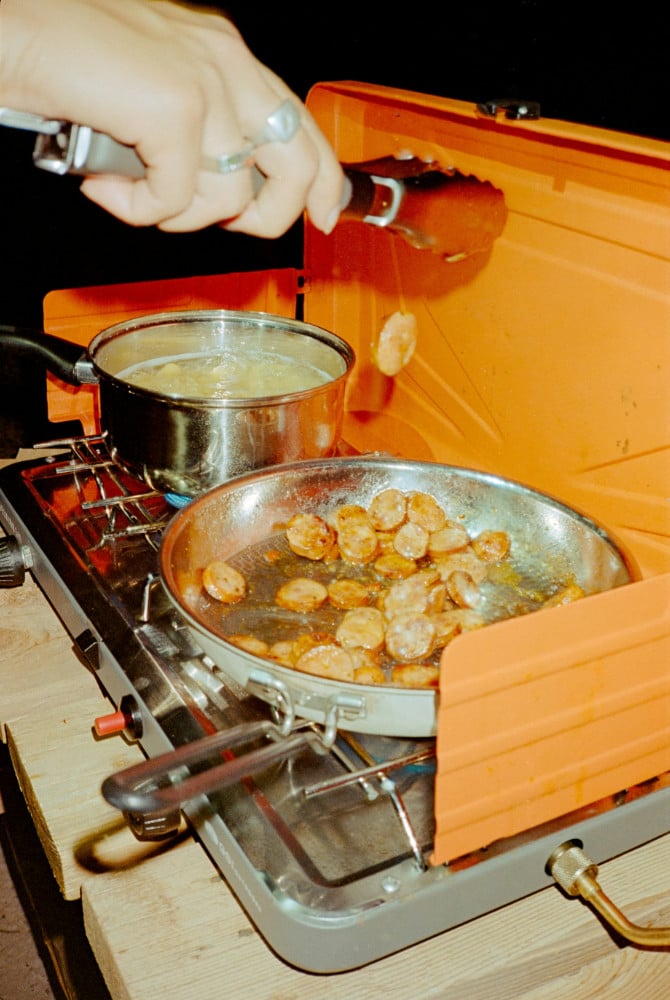
Most culinary programs organize cooking methods around a few core categories. Dry heat techniques include roasting, grilling, sautéing, and frying, where heat is applied directly without added liquid.
Moist heat techniques like steaming, poaching, and braising use liquid or steam to cook food more gently. From there, combination methods bring both together, with braising being the most common example.
Knife skills and seasoning are sometimes rounded into the list as foundational techniques too, since without them the cooking methods themselves don't get you very far. Here’s a list for you to skim through:
-
Steaming: Food is cooked using hot vapor rather than direct contact with liquid, which keeps nutrients intact and works especially well for vegetables and fish.
-
Stir frying: A high-heat, fast-moving technique where ingredients are cooked quickly in a small amount of oil, keeping things crisp and flavorful.
-
Sautéing: Similar to stir frying but generally slower and more controlled, using moderate heat to cook ingredients evenly in a small amount of fat.
-
Roasting: Dry heat in an oven surrounds the food on all sides, developing deep flavor and browning on the outside while cooking through gradually.
-
Baking: Also oven-based, but typically associated with bread, pastry, and more precise recipes where ratios and temperature control really matter.
What is the 3 3 3 rule for cooking?
This one shows up in a few different contexts, so it depends who you ask. The most common version applies to grilling steak: three minutes per side on high heat, then three minutes resting before you cut into it.
Some versions extend that rest to a third three-minute stage off heat entirely. It's a decent rule of thumb for thinner cuts, though cooking times always vary with thickness and the actual temperature of your grill. Treat it as a starting point rather than a guarantee, and use a meat thermometer if you want more reliable results.
What are the 5 C's of cooking?
The 5 C's aren't a universal culinary school standard, but the most widely referenced version covers these five areas:
-
Cleanliness: Food safety and kitchen hygiene, which is the non-negotiable baseline everything else is built on.
-
Color: Knowing how to use visual appeal, and using color as a reliable indicator of doneness and freshness.
-
Consistency: Replicating results reliably every time, which is the backbone of professional cooking.
-
Creativity: Self-explanatory, though in a professional kitchen it usually operates within the constraints of a set menu and budget.
-
Cost control: The business reality that a dish has to be profitable to stay on a menu, not just delicious.
Don’t Overthink It, Have Fun
Nobody becomes a confident cook overnight, and honestly, the learning never really stops. There's always a technique to refine, a flavor combination that surprises you, or a dish that humbles you right when you thought you had it figured out.
The good news is that every meal is a chance to get a little better. Start with one thing from this article, work it into your routine, and go from there. The kitchen rewards curiosity more than perfection.
You don't need a degree or a stack of textbooks to be a great cook. Skip the impulse buy on that IoT-enabled wireless meat thermometer and just grab your favorite pan to start making a mess. Don't worry about being perfect.
You’ve got the tools now, so step away from the recipe book and trust your gut. Happy cooking!