
Earning public and industry trust is essential in today’s business landscape. Corporate Social Responsibility (CSR) is key to building stakeholder confidence, attracting investment, and sustaining long-term value.
In addition to meeting CSR goals, businesses of all sizes must also have an effective CSR communication strategy to build credibility and enhance their impact.
While an annual sustainability or CSR report will be information-rich, our research highlighted that few organizations are deploying that information to create meaningful, engaging narratives, particularly on social media. This is a missed opportunity that can ultimately impact their bottom line.
Let’s explore how the relationship between CSR communication and social media can work hand-in-hand.
Bridging The Gap
Research conducted by EHL Business School, analyzing over 45 leading hospitality, airline, and restaurant brands between 2010 and 2019, revealed that fewer than 5% of social media posts referenced CSR.
Our research uncovered a common picture. On the official social media accounts of service companies, 4.81% of the total posts on Facebook.com have traces of CSR topics, with this number decreasing for Instagram.com (1.71%) and Twitter.com (0.57%).
Environmentally and socially related issues are the most frequently posted by the studied companies, with differences among the various social media platforms.
Fear of Backlash
When examined over a period of time, we discovered an ongoing neglect of CSR topics on service industry social media channels. When approached with the results of our work, the majority of executives stated that, in addition to a fear of a negative backlash from users, there is a lack of strategy behind CSR communication on social media.
Tellingly, they also suggested that there was little perceived value in CSR communications via social media platforms. Companies also fear the threat of being accused of greenwashing when communicating about CSR on social media.
The longitudinal analysis of the social media posts also showed the negligence of the responsibility topic in the service industry. When confronted with these results, the majority of executives stated that, besides the fear of negative backlash from social media users, there is a lack of strategy behind CSR communication on social media, and little real value is perceived from it.
The CSR Credibility Gap
The role of social media in effective CSR communication strategies cannot be underestimated. So, how can businesses effectively use social media to tell compelling stories and bridge the CSR credibility gap?
The answer lies in developing and implementing a comprehensive CSR communication strategy that meets the needs of the organization and the expectations of stakeholders.
What Is a CSR Communication Strategy?
Research consistently shows that the transparent and coherent communication of CSR initiatives can deliver stronger stakeholder trust and loyalty. Strategic CSR communication not only enhances a corporation's reputation but also fosters long-term stakeholder engagement and supports the sustainability of the business.
In other words, how a company communicates CSR can be just as influential in driving positive outcomes as the initiatives that underpin it.
A CSR communication strategy outlines how an organization will articulate its CSR initiatives and commitments to its stakeholders. It bridges the gap between internally driven initiatives and external perception, turning credible actions into quantifiable brand value. CSR communications are key to building sustainable stakeholder engagement.
Typically, effective CSR strategies will be built on three key pillars:
- Clarity: Always communicate specific, measurable results, not vague promises of future delivery.
- Credibility: Every claim needs to be supported with data and verifiable certifications that eliminate the risk or perception of greenwashing.
- Consistency: Your CSR and ESG communication need to be coherent across reports, websites, and different social media platforms.
Different stakeholders require different types of information, allowing for a strong CSR communication strategy to be built on an understanding of the target audience. For example, investors may require ESG metrics and their link to financial impact, whereas visible social or environmental initiatives will influence consumers more.
To ensure that messages resonate and drive stakeholder engagement, communication should be segmented and appropriate tools applied. Aligning content, tone, and delivery with the expectations and requirements of different stakeholder groups enables organizations to reduce the risk of misinterpretation and skepticism.
Why CSR Communication Matters
CSR communication is regarded as important by multiple stakeholders and can have a positive net impact across your audiences.
Effective CSR and ESG communication plays a key role in shaping stakeholder perceptions and behaviour. In addition to informing, it can also create strong emotional connections with the brand and may even inspire action.
Demonstrating tangible results, such as success in reducing carbon emissions, community projects, or the development of ethical supply chain practices, makes CSR both more relatable and credible.
Regular, transparent updates signal accountability and responsiveness, demonstrating how sustainability is integrated into operations rather than just a marketing exercise. Strategic communication, when done well, can transform CSR from an internal obligation to something highly visible that adds value to the brand’s identity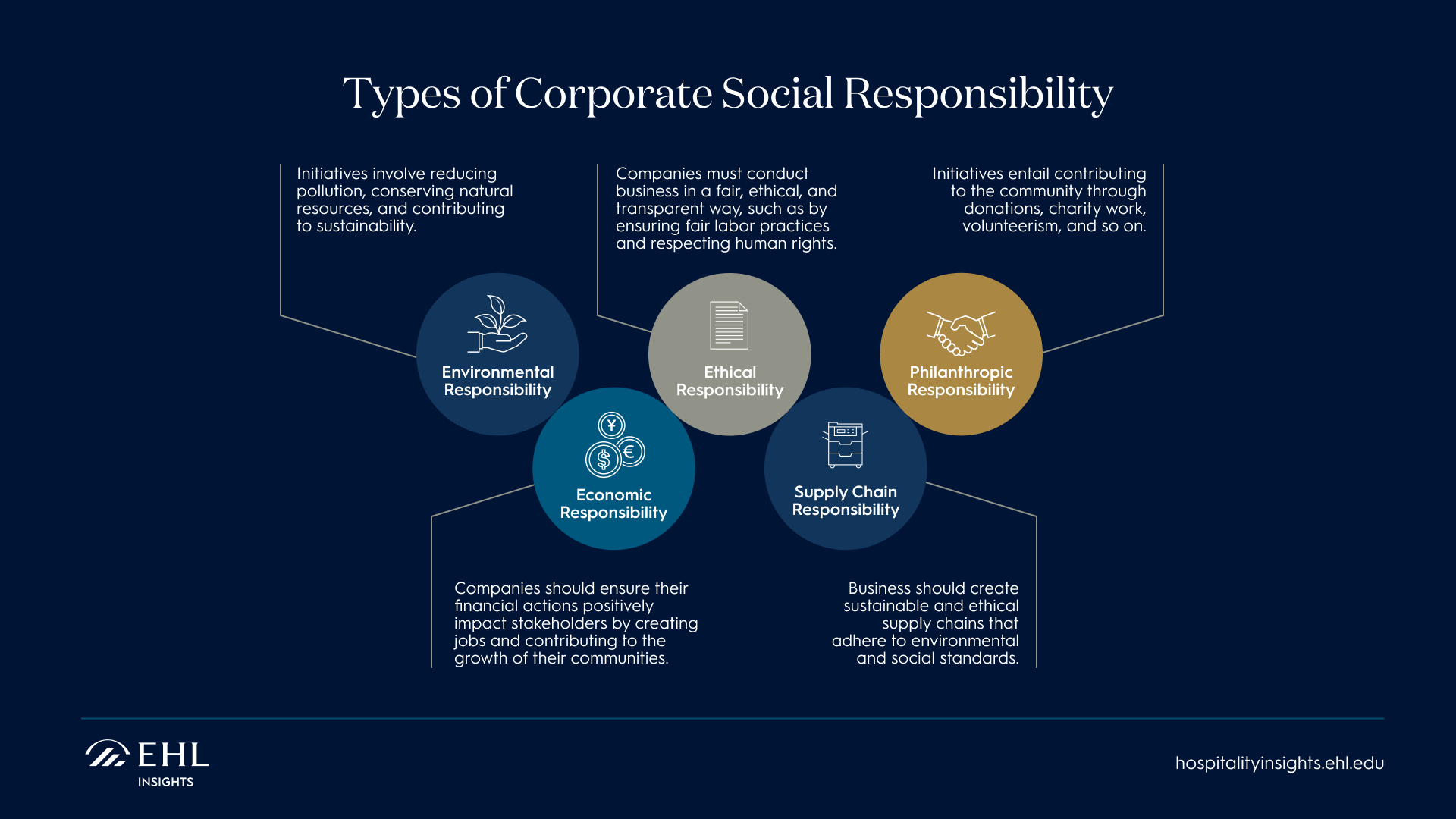
The Impact of Successful CSR Communication
Your CSR communication strategy will need to effectively speak to:
Consumers: Modern consumers increasingly seek out ethical brands, or at least prefer their brands to maintain some ethical standards. The PWC Voice of the Consumer survey 2024 found that consumers were willing to pay a 9.7% premium for sustainable products despite cost-of-living challenges.
Investors: Investors are now considering Environmental, Social, and Governance (ESG) factors when making portfolio decisions. ESG investing has seen significant growth, with a projected market size of USD 79.71 trillion by 2030. CSR reporting guidelines help investors understand the steps that companies are taking to become more transparent, sustainable, and ethical.
Employees: CSR initiatives can increase staff engagement and aid retention, aligning corporate and employee values, and promoting a sense of shared responsibility and endeavour.
Regulators & Communities: The best practices in CSR reporting ensure compliance with legal frameworks, and strengthen trust in local communities. It’s essential that your CSR initiatives are communicated effectively to the communities they may impact.
On the other hand, poor communication can be counterproductive, leading to skepticism, accusations of greenwashing, and missed opportunities to leverage CSR as a strategic advantage.
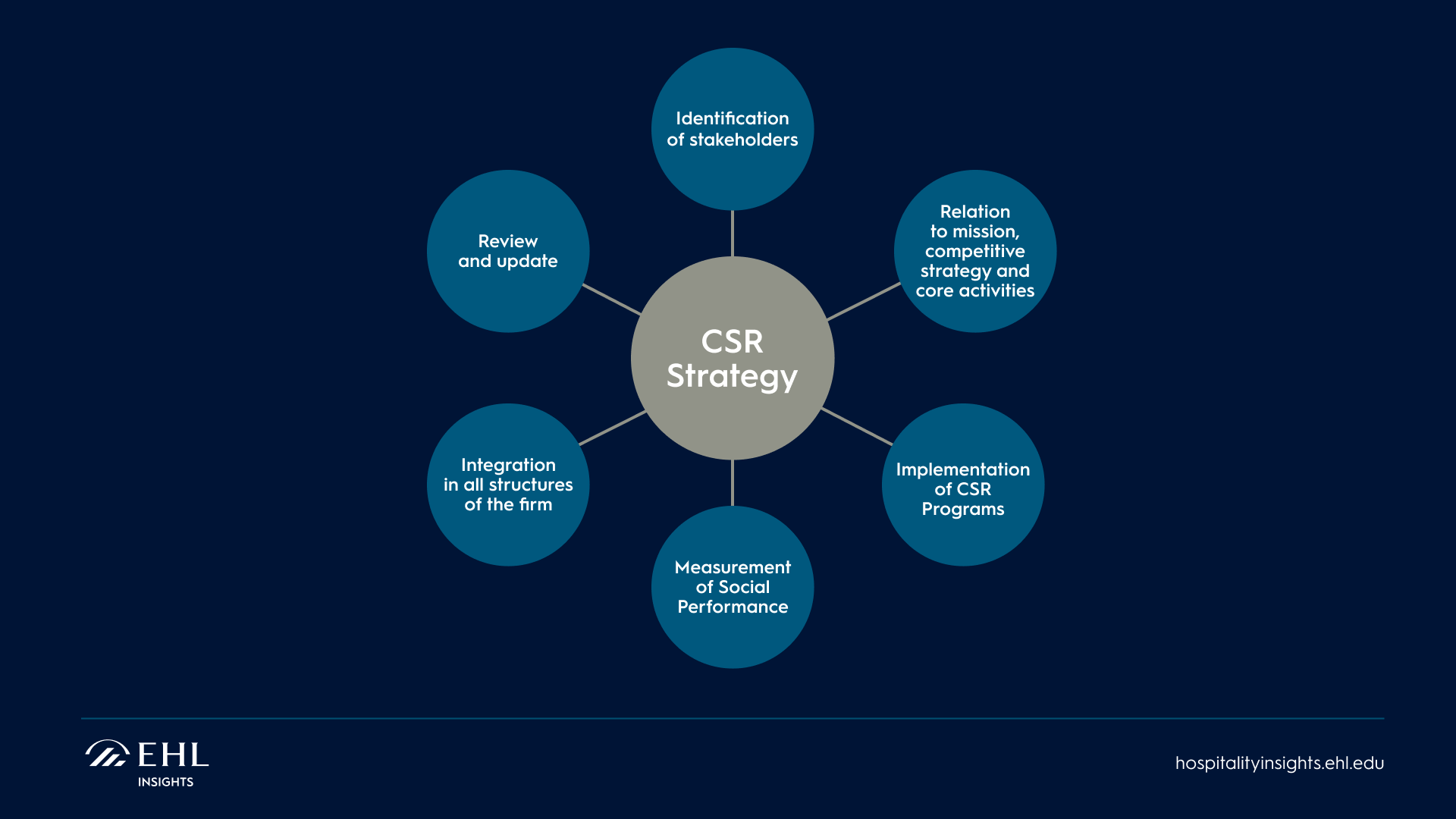
From Reporting to Storytelling
While CSR and sustainability reports are essential for ensuring compliance and communicating basic information to investors, they rarely capture the public's attention. Turning dense data into compelling, human-centred stories is critical to the success of a CSR communication strategy.
Some of the best practices for CSR reporting will typically include:
- Integrating ESG communication: Frameworks such as the Global Reporting Initiative (GRI) can help you link operational performance to environmental and social outcomes.
- A Multimedia Approach: Use visuals, videos, as well as employee and customer testimonials to make CSR more tangible. Hospitality brands may wish to highlight local sources, community engagement, and conservation partnerships that power their brand.
- Adopt CSR Reporting Software: Digital tools such as Diligent ESG or Sphera can streamline data collection and reporting, allowing for real-time updates that can enhance accuracy and communicability.
The key is to humanize metrics, placing the focus on real people and places, to help ensure that CSR efforts resonate beyond compliance. This human-focused approach can help to address cynicism and accusations of greenwashing.
Maximizing Digital Stakeholder Engagement
Effective CSR communication strategies are built on dialog as much as the dissemination of key information. Customers, investors, employees, and communities have come to expect transparent communication as well as authentic ways to participate.
Social media is at the forefront of most CSR strategies, but in an increasingly fragmented social media landscape, it can be challenging to know where exactly to focus your efforts.
Your choice of platforms should be based on where your audience can be found and what supports the kind of engagement that they expect. Social media should be a means by which two-way communication can be fostered, and real-world initiatives developed and supported.
A study by EHL Hospitality Business School found that hospitality companies engaging customers through local community programs or waste-reduction initiatives saw increased engagement and stronger brand loyalty.
Your stakeholders, whether clients, customers, investors, or employees, should feel included as partners in progress.
Avoiding Greenwashing
Over recent years, audiences have grown more skeptical about sustainability marketing. Misleading or partial claims about greenwashing can be hugely detrimental to brand trust.
To avoid this, companies must ensure that their CSR communication strategy is based on solid, verifiable foundations. Any claims should always be based on verifiable data and third-party certifications. Embedding sustainability best practices can provide a strong narrative that makes marketing and communications easier and more coherent.
Any marketing messages need to be aligned with operational reality, and although it may be tempting to gloss over negatives, this can be counterproductive.
Disclosing challenges and limitations alongside successes can help to build credibility and enhance trust, creating a narrative of steady improvement that stakeholders can buy into. Honesty is preferable to polished, all-too-easy narratives.
CSR as Brand Identity
CSR is powerful when it's integrated into the company's DNA, defining its core purpose and shaping decision-making. When this is the case, it makes communicating CSR successes much easier.
Good examples include Patagonia's anti-fast fashion "Don't Buy This Jacket" campaign and IKEA's long-running "People & Planet Positive" strategy, which ties circular design and renewable energy to long-term, sustainable growth.
In the tourism and hospitality sectors, businesses that embed sustainability into the guest experience, such as energy-efficient operations and community reinvestment, differentiate their brand and strengthen customer loyalty.
Developing a CSR Communications Framework
Effective CSR communications strategies are built on a firm framework of purpose, performance, and perception.
The core elements will typically include:
Strategic Alignment: CSR goals should be linked directly to business objectives to maximize impact.
Audience Segmentation: Messaging should be tailored to each stakeholder group, whether that’s investors, consumers, employees, or regulators. Each audience will have different demands, even if the substance of the communication remains the same.
Integrated Communications: Messages need to be consistent and reinforced across CSR reports, website, email, and social media feeds.
Performance Evaluation: Engagement, such as message reach, shares, and views should be tracked. As too should the impact of messages, such as trust, sentiment, and loyalty.
A strong framework creates a structured means by which CSR reporting can be turned into a driver of stakeholder engagement, trust, and brand strength.
Sharing Information and Building Trust
CSR communication on social media needs to be strategic. Messaging needs to be relevant for stakeholders, the wider public, and the platform being used. According to the executives we questioned, messages should be trustworthy and transparent, blending information with emotion, to create something authentic and meaningful.
Download our white paper to learn more about our research and to find out how to craft relevant CSR-related messages across different types of social media.
By taking a coherent and tailored approach, a CSR communication strategy can become a powerful tool for developing your brand and building customer loyalty.