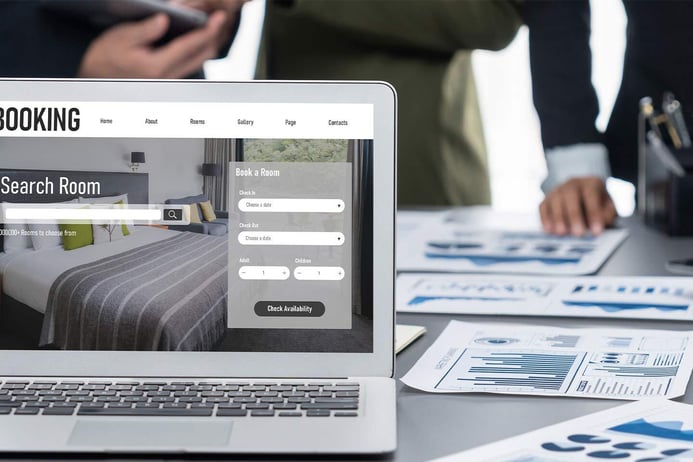
Why does a room cost $120 one day and $180 the next? The answer lies in hotel rate types, which are pricing categories for different levels of demand and guest behavior. Understanding how these room rates work is essential for running a profitable hotel business.
This guide explains what hotel rate types are, why it is important to offer a variety of different rates, and the most important rate types all hospitality professionals should know.What Is a Hotel Rate Type? Hotel Room Rates Explained
Room rates directly affect how much revenue the hotel generates and how profitable it is. Setting room rates is one of the most foundational features of revenue management, which is based on finding the optimal pricing based on forecasted demand to maximize room revenue and occupancy.
While higher occupancy generally leads to more revenue, having a full house is not always the most profitable outcome. One of the main principles of revenue management is to sell the right room for the right person at the right time. Lower rates may lead to higher occupancy, but pricing too low (below the cost of selling the room) can erode profit. Finding the right balance is essential for sustainable performance.
Why Is It Important for Hotels to Use Different Rate Types?
More rate types for room pricing give your guests more flexibility when booking. The more options there are to choose from, the wider the appeal for your clientele.
It will also help you adapt to different demand situations. Let’s imagine your hotel is experiencing below expected occupancy, maybe because of a cancelled event. Having a rate type for when occupancy drops below a certain threshold can help with covering for the missing demand by opening the doors for customers with a lower willingness to pay.
Different rate types also allow for targeting specific market segments. For instance, having separate rates for leisure guests and group bookings will help to match the pricing expectations of the respective segments.
Offering different hotel rate types can have the added benefits of increased direct bookings, higher occupancy, and increased revenue.
How do Hotels Calculate a Room Rate?
Setting a hotel room rate starts with understanding costs, but additional considerations include supply and demand dynamics and customer behavior. Each hotel incurs different kinds of costs from guest stays. There are two cost categories:
- Fixed costs are expenses that do not vary as occupancy changes, which means that they are incurred even if there are no guests occupying the rooms. While allocation can vary, fixed costs often include salaries, insurance, mortgages, rents, and sales and marketing costs.
- Variable costs are costs associated with each room stay and are not incurred if a room is empty. These include laundry, utilities related to room stay, and on-call staff.
The hotel’s minimum rate should, at a minimum, cover the operating expenses incurred for selling the room. At any rate, below this, the hotel is making a loss. To understand the costs, calculate the Average Cost per Room per Night (CostPAR) by dividing total variable and fixed costs by the number of rooms sold annually: 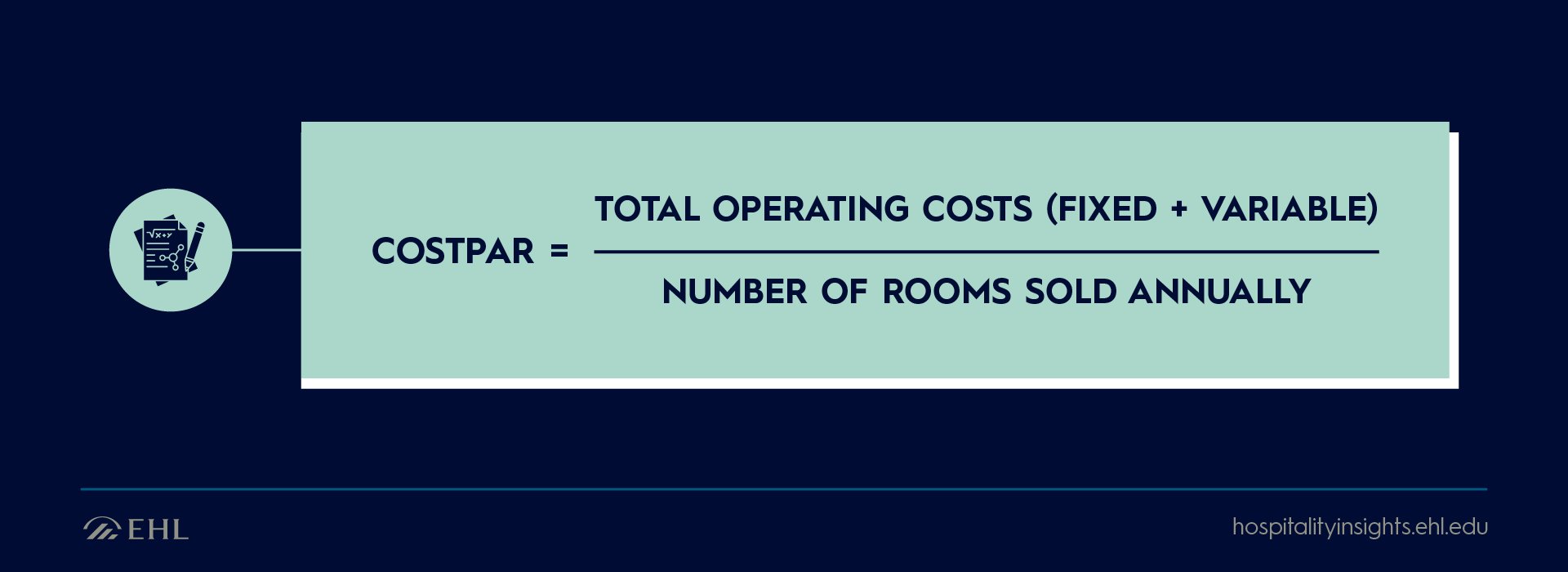 However, simply covering costs is not enough to bring long-term value for owners and investors. To ensure that each room sold not only contributes to the sustainability of the hotel but to its profitability, cost-based pricing adds a target profit margin to the total cost per room: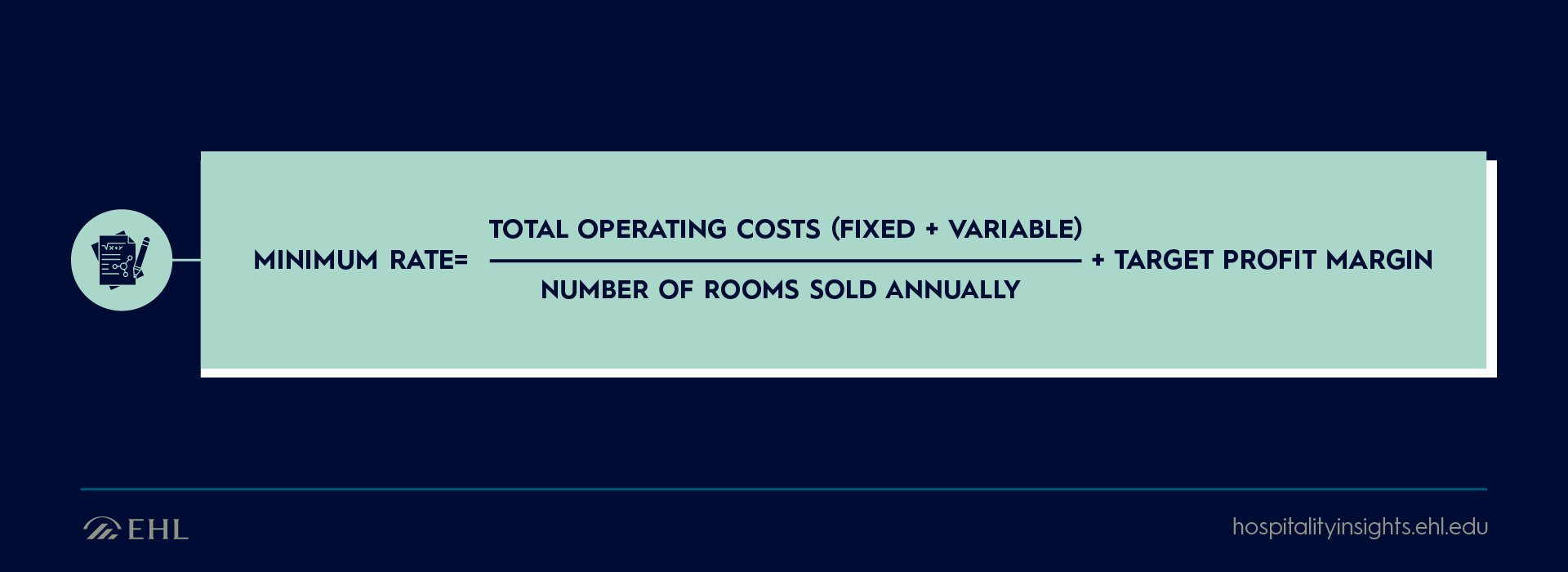
Example: for a 100-room hotel with $1.3 million in annual costs, if you sell 10,000 room nights per year, your CostPAR is: 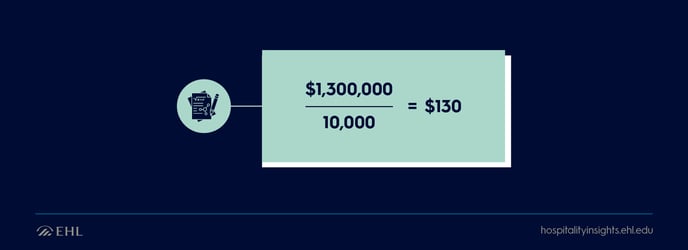
Going below this means you are losing money, point blank. If the hotel wants to include a minimum profit margin of, say $15 per room, the minimum rate would be:
Pricing below $145 means that the hotel is not hitting its profit target, even if it is covering its costs.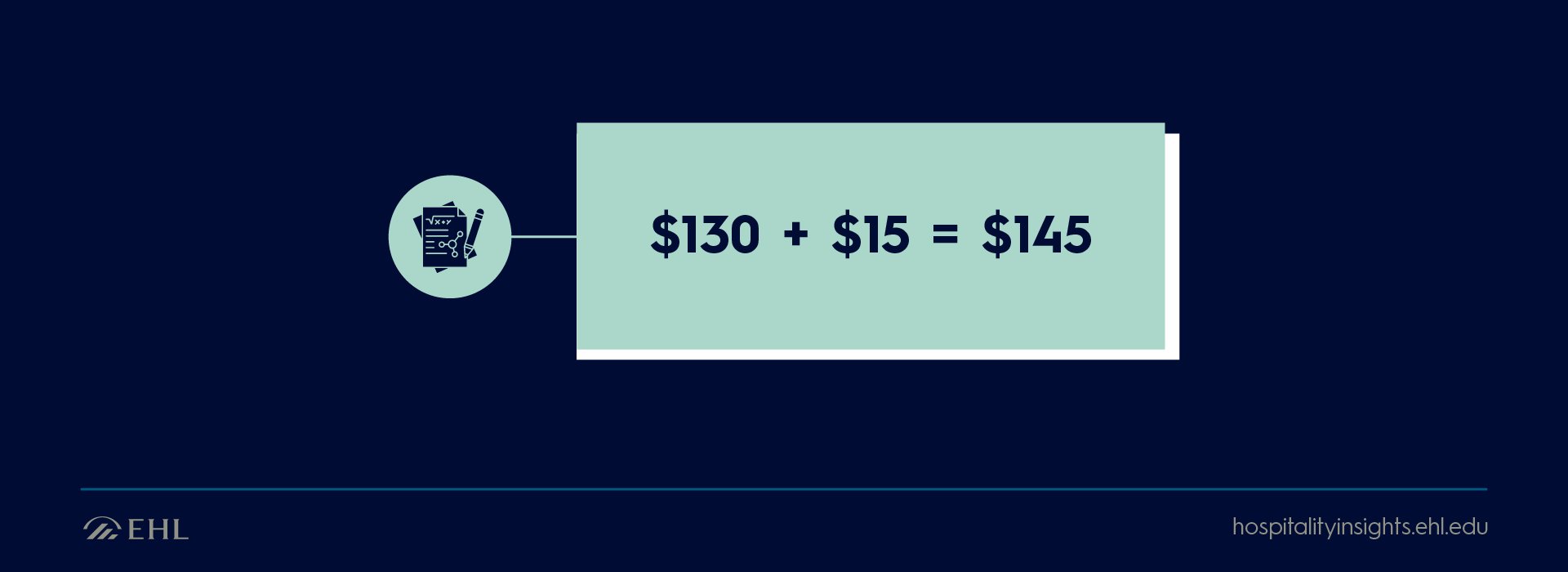
How Room Rates Work in Practice: Dynamic Pricing
However, pricing strategies rarely rely on cost alone. Hotels also factor in:
- Target revenue goals
- Investment recovery
- Customer segments
- Supply and demand
- Market positioning
Modern pricing strategies are often a combination of cost foundation and dynamic pricing, which means that rates are adjusted in real time based on factors such as occupancy, booking trends, and demand forecasts. Dynamic pricing is a flexible approach that makes sure that the hotel is not only profitable but also competitive.
Most hotels use a revenue management system (RMS) that suggests optimal room rates based on data, which are then updated across the hotel’s booking platforms. Hotels can set rules such as increasing the rates when there is a higher occupancy. This process can be automated or managed by a revenue management team.

The Most Essential Hotel Rate Types
Hotel rate types cater to different segments, ensuring that the right customers reach your door. Below are the most important hotel rate types for you to understand.
Minimum Rate
The minimum rate or the base rate is the lowest at which a hotel can sell a room without incurring a loss. It is determined by calculating the average cost per room and adding the minimum acceptable profit margin. This is the bottom limit for your pricing strategy and rates should never go below this threshold.
Starting Rate or Base Rate
Dynamic pricing uses a baseline price as a starting point that is tied to a baseline demand. As demand increases or decreases, the rates respond by rising or falling.
RACK Rate
The RACK rate is the standard, publicly listed room rate, which is usually the highest price a guest would pay without discounts or promotional offers. It may include extras like breakfast, but is not influenced by demand. It is often considered the “default” rate and is the upper benchmark for pricing strategies.
Best Available Rate (BAR)
The lowest rate is offered with a flexible cancellation policy, without special conditions or booking restrictions. Unlike the RACK rate, the BAR is adjusted dynamically based on demand and occupancy. It is a benchmark rate from which other rates, like the non-refundable or early bird, are derived.
Non-Refundable Rate
Non-refundable rates guarantee income to the hotel, as guests cannot modify or cancel the booking without forfeiting the full payment. Because contingency is removed, prices are usually lower than the BAR.
Early Bird
The early bird rate is offered to guests who reserve well in advance of their stay. It is discounted because it incentivizes the guest to commit to their booking early and improves demand forecasting. This rate is typically non-refundable or partially restricted in exchange for the lower price.
Last-Minute Rate
The last-minute rate is a reactive pricing strategy that is used to fill unsold rooms close to the arrival date, particularly in response to unexpected drops in demand, for example, due to event cancellations or transportation disruptions. In other words, it is designed to recover value from inventory that would otherwise be lost. These rates are typically lower than standard pricing but still respect the minimum rate threshold so as not to erode profitability.
Package Deal
A package deal is a bundled rate that, in addition to the room, includes additional services such as breakfast, spa treatments, and parking. It adds perceived value for customers and allows for upselling.
Membership Rate
Membership rates are special rates that are available only to loyalty program or subscription service members. These rates are often lower than publicly available prices and may include added benefits like room upgrades or flexible cancellation.
Membership rates, especially in large loyalty programs of global hotel brands, can sometimes approach or even undercut the minimum price threshold of a property. Sounds alarming, but it can still be strategically viable for big brands and their affiliated properties because these rates can lead to more direct bookings, repeat customers, and more ancillary spend. Furthermore, membership rate stays are often partially reimbursed through the brand’s loyalty program structure.
Family Rate
A rate designed for families that often provides discounts for additional guests or adjoining rooms. With this rate, kids may stay for free, or breakfast packages may be included. Catering for families means benefiting from this segment’s often longer lengths of stay and higher ancillary spend.
Group Rate
For larger groups that come for events or conferences, there is often a negotiated rate. They are discounted based on volume because of the reservation of a block of rooms. These are often coordinated through group sales or event teams.
Choosing the Right Rate Strategy
A good pricing strategy that protects profit margins includes different rate types. Room rates should be able to respond to market changes to be as effective as possible from a revenue management point of view. Starting with cost calculations and factoring in supply and demand considerations is the key to finding the balance between value for the guest and return for the business.