Things you wouldn’t think go together sometimes go together remarkably well. It could be unlikely food pairings, or unexpected design ideas that hit harder because they defy the categories we expect them to stay in.
Like Remy from Ratatouille discovering the potentiation between a strawberry and a piece of cheese, or a stylist pairing clashing colors that, against all logic, create a masterpiece. These combinations shouldn't work, yet they do. The aha comes from the cognitive double-take.
This is the power of experimentation. While the results are subjective, the drive to experiment is universal. This is especially true in industries like gastronomy and fashion, where the demand for novelty is relentless, boredom is the enemy, and trends are the remedy.
The latest remedy, however, is one we didn't see coming: the full-scale alliance of the two worlds; it’s a fusion of our most primal forms of consumption.
On one side, we see fashion literalizing the kitchen, like pasta-box purses and croissants walking the runway. On the other, food is adopting the "logomania" of the catwalk, with branded Onigiri and designer logos embossed into sticks of butter.
This didn’t start recently. Haute couture popularised the trend, but the fusion now stretches across streetwear, homeware, branding, and art. This article explores how the alliance came to be, the cultural forces behind it, real collaborations and examples, and the place it holds in art.
But Wait, Is this a Trend or a Movement?
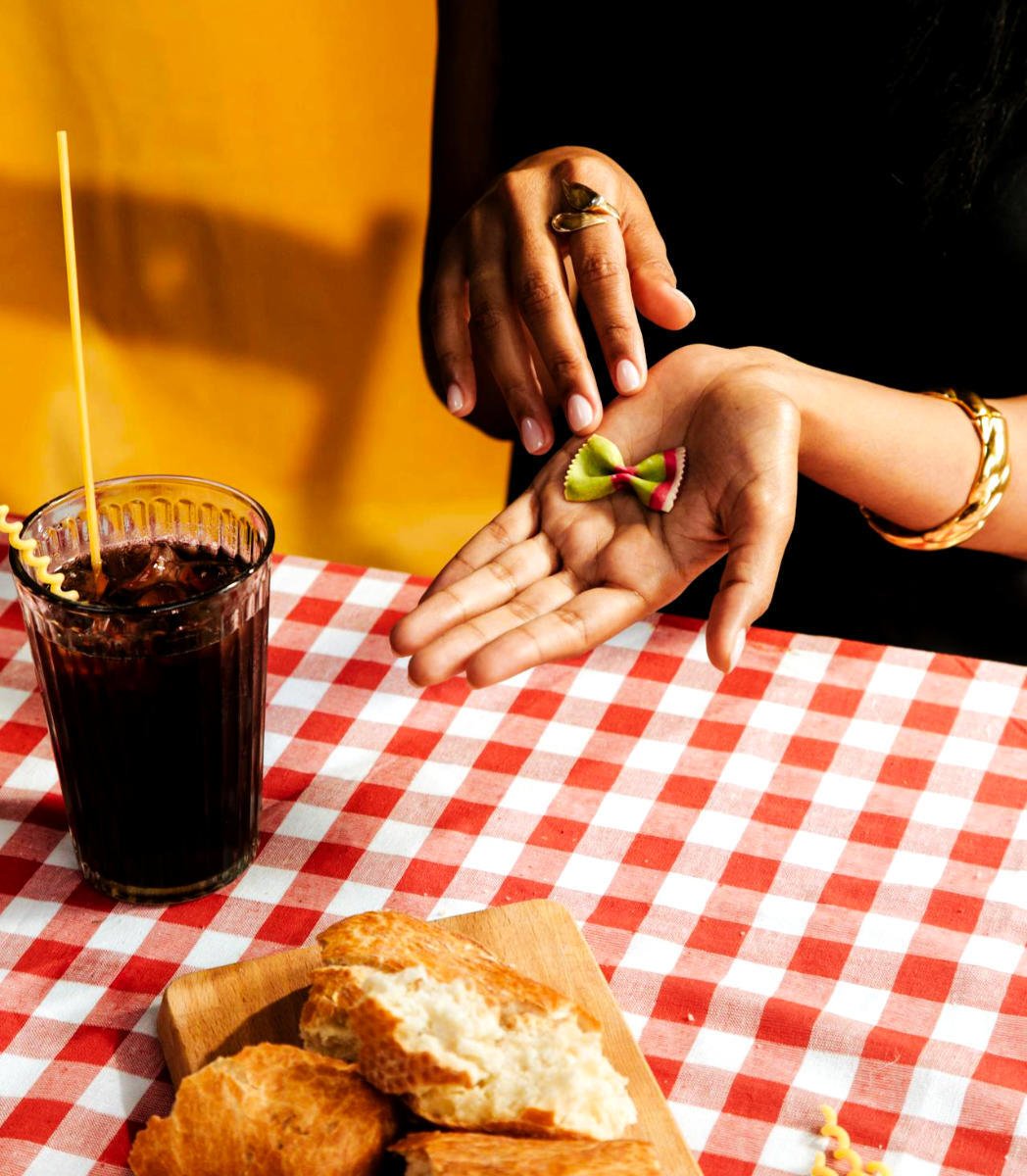
Trends are polarizing. Some argue they are necessary to keep things fresh; others despise them. Ironically, avoiding trends has become a trend in itself. Either way, they are vital.
Humans are creatures of habit, but nobody wants to wear the same outfit or eat the same food forever. We love "phases," and that hunger for variety sparks the quirky innovations seen in the blend of food and fashion.
Nobody asked for a pretzel plush on a purse, but the industry gave it to us anyway. We ate it up, and now we’re hungry for more. It’s no wonder the fashion industry depends on trends to stay challenged, which begs the question: is the merger of food and fashion a passing fancy?
We think that when a trend lasts long enough, it transitions into a mainstream classic, and eventually, a movement. But as it stands, this alliance is a trend, albeit one that has been "trending" for quite some time.
Unlike movements, which stay until their job is done, trends eventually go. Much like molecular cuisine is an off-shoot of various gastronomic styles rather than a full movement, the marriage of food and fashion shares similar mechanics.
But before we explore those, let’s understand the foundational role both these worlds have played historically.
Before Instagram: Status, Ritual, and Showing Off
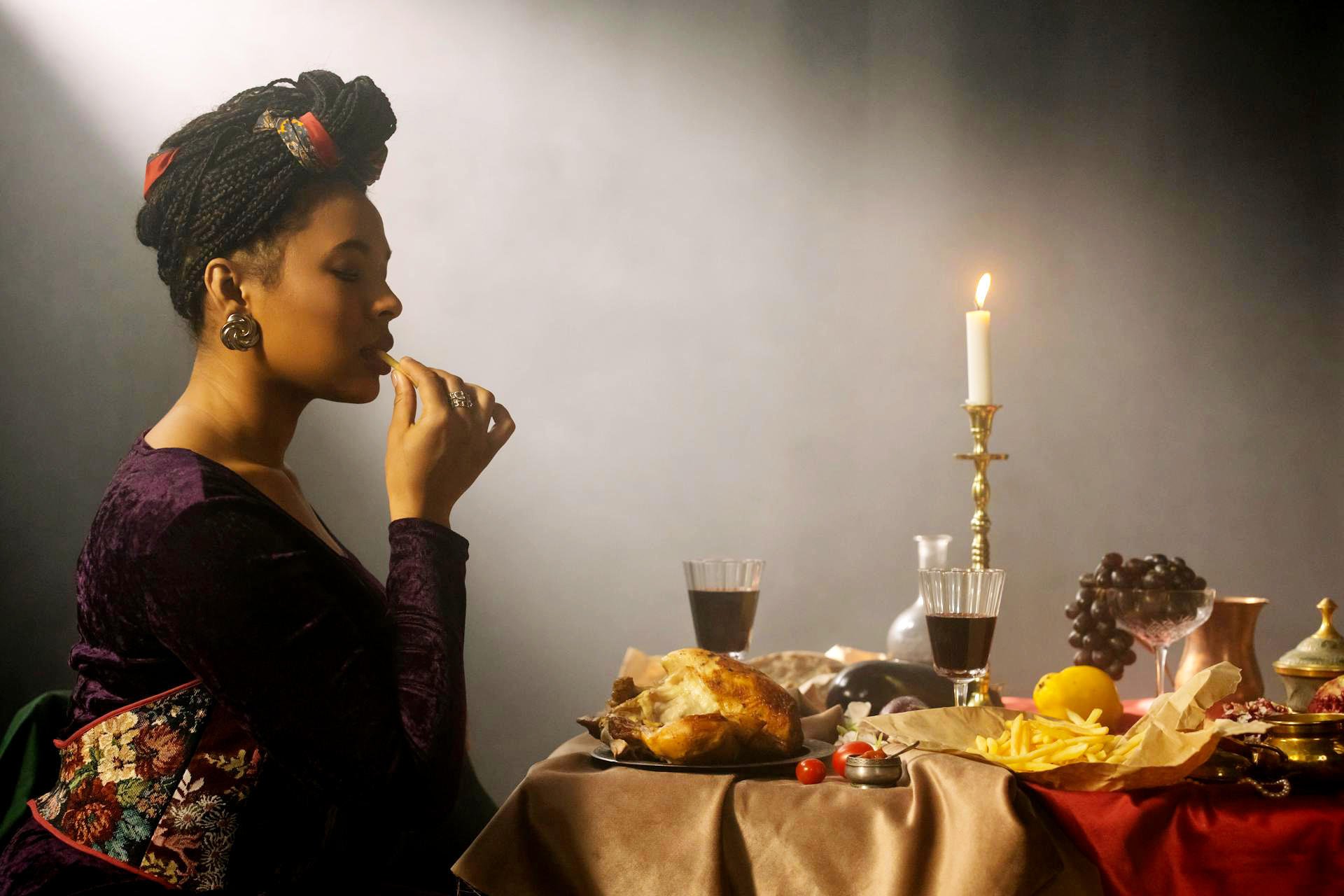
Status signalling through taste in clothing and food isn’t new. Social platforms made it louder, but they didn’t invent it. In aristocratic circles, banquets were stages for display. What you wore mattered as much as what you were served.
Clothing and cuisine worked in tandem to signal rank, taste, and access. At the same time, textiles and decorative arts borrowed heavily from food: fruit and wheat motifs, lavish dining colours showed up in garments, embroidery that resembled the layering of confectionery or the symmetry of formal plating.
Dining rituals demanded restraint in one place, excess in another, and fluency in both was the real marker of refinement.
Today, a fashion dinner and a fashion look still obey the same underlying rule: presentation is participation. Instagram simply compressed centuries of status performance into a single frame. The mechanics, though, never changed.
The roots run deeper than most people think. So let’s look at the many ways these industries interact.
Cuisine and Couture: Shared Obsessions
There’s more to this trend than simply transposing the two aesthetics. Both are tactile forms of expression, built around the belief that craft is communication. The appeal is as visual as it is physical, textural, and intentional.
Haute cuisine and couture rely on the same pillars: precision, theatrics, skilled hands, and creations that exist beautifully for only a short time.
A plate and a runway look are both compositions, one arranged, one constructed. Both are meticulous. Both are performative. Both are temporary by design. This overlap is what sets the stage for collaboration.
Motifs like Moschino’s McDonald’s references, Dolce & Gabbana’s produce prints, and Chanel’s milk-carton-coded accessories work because they interrupt the mental categories we expect them to sit in. Novelty bias, like the Von Restorff Effect, plays a role here. So does pop culture.
However, the reaction goes further than surprise. It’s a visceral response that hits emotionally and visually at the same time. Our best guess is that it works because it incites novelty and recognition in one stroke, turning an improbable pairing into something that feels deliberate, sharable, and memorable.
Fast Food as High Fashion Inspo
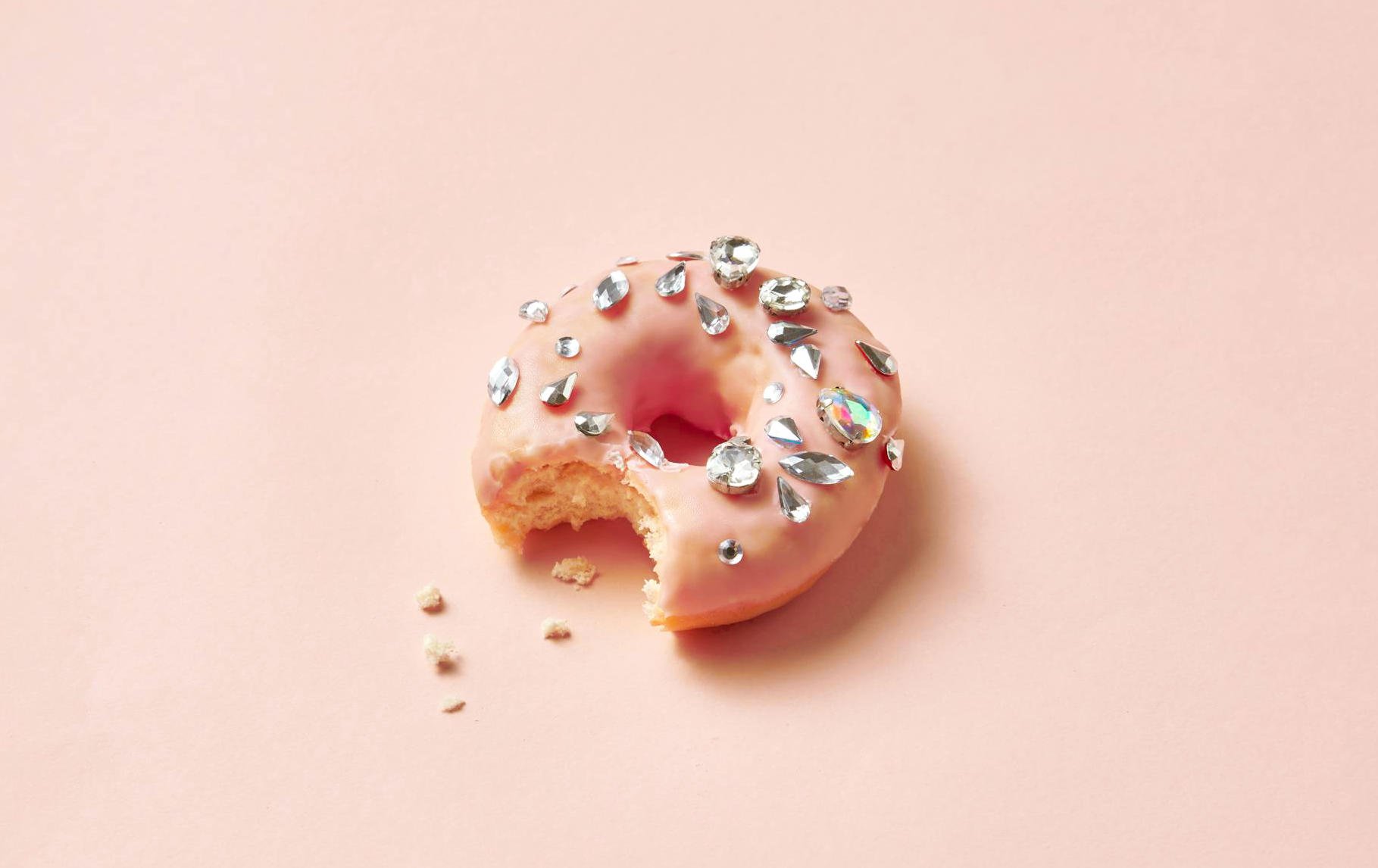
Fast food and casual food played a major role in the popularity of this trend and became a source of inspiration for influential designers. Cronuts prints and McDonald’s Happy Meal-inspired purses have been in the spotlight, illustrating designers’ creativity and their ability to transpose food into fashion.
The combination of fashion and culinary arts became a key element in many respected designers’ collections, which in turn enhanced the success of the trend. Luxuriant food images conquered the fashion world, moving past stereotypes that once framed the two industries as opposites.
Runway Aesthetics Inspired by Cuisine
Designers often adopt food for colour palettes, forms, and textures. It works because food already carries a visual logic the brain recognises instinctively. Colours from produce markets translate into palettes for collections because they already work in nature. For instance:
- saturated reds of chilli,
- gradient greens of heirloom pears,
- deep purples of aubergine.
Texture is another bridge, like the gloss of a chocolate glaze mirrors lacquered fabrics, or the translucence of rice paper resembles organza. Designers also borrow structure from culinary forms like spirals, drapes, stacks, tension, collapse, expansion.
A silhouette that resembles soft-serve or sugar pulls lands because the reference is immediate, even when the garment is abstract. Notable examples include the following:
- Hussein Chalayan’s Conceptual Collections: Repeated use of organic forms and food-adjacent materials, including dissolving garments and experimental textures that echo transformation, a core idea in cooking.
- Jeremy Scott for Moschino (Fast Food Collection, 2014): Use of McDonald’s colours and shapes to borrow food’s cultural coding and build instantly recognisable silhouettes and motifs.
- Issey Miyake’s Pleats and “baked” Fabrics: Heat-set pleating process described in culinary terms because it resembles the crispness and layering of pastry; A-POC textiles compared to continuous dough that can be cut into shapes.
- Gareth Pugh and Sculptural “Sugar Work” Silhouettes: High-gloss, stretched, almost molten finishes reminiscent of blown sugar, creating a clear visual link despite different materials.
- Botanical Dye Houses and Food-Based Palettes: Designers including Eileen Fisher and studios in Copenhagen and Kyoto using dyes from onion skins, turmeric, berries, or tea, with colours that directly reflect their food origins.
Edible Art and Couture

Couture and fine cuisine share a mindset that revolves around discipline, technique, and an obsession with detail. A chef plating a dish is essentially composing a visual narrative, much like a couturier placing embellishments or draping fabric.
Both crafts rely heavily on precision: a sauce dragged one millimetre too far or a bead sewn off-centre interrupts the whole effect. There’s also a shared appreciation for ephemerality. A couture gown may be shown only once before being archived, just as a beautifully plated dish exists for only minutes before it’s consumed.
Creativity is bounded by structure in both cases. Recipes and measurements mirror patterns and construction lines, and mastery involves knowing which rules can be bent without breaking the overall harmony.
Here are some real-world examples where those parallels stop being concepts and start showing up in the work itself:
- Dominique Crenn and Couture Plating: Crenn’s dishes at Atelier Crenn are arranged with the precision of embroidery. Every herb, smear, or microflower has intentional placement, and critics have compared her plates to couture moodboards and delicate beadwork.
- Grant Achatz at Alinea: Deconstructed dishes and tableside compositions presented like performance couture. The famous edible balloon and the table-painting dessert are often referenced for their real-time, construction-like theatrics.
- Cedric Grolet’s Sculpted Fruits: Hyperreal pastries shaped like natural forms, regularly cited for their couture-level trompe-l’œil detail. The internal layers are engineered like tailored components.
- Luxury Fashion Cafés (Dior Café, Gucci Osteria, Armani Ristorante): Flagship dining spaces where plating adopts the same visual codes as the house style. At Gucci Osteria under Massimo Bottura, dishes have been framed as extensions of Gucci’s patterning and colour stories.
- Fashion Houses Commissioning Pastry Chefs: Collaborations like Louis Vuitton with Pierre Hermé, and Fendi with top pâtissiers for runway after-parties, known for pastries shaped like bags, monogrammed chocolate work, and colour-graded glazes inspired by runway finishes.
Real-World Crossovers: Collaborations and Cultural Moments
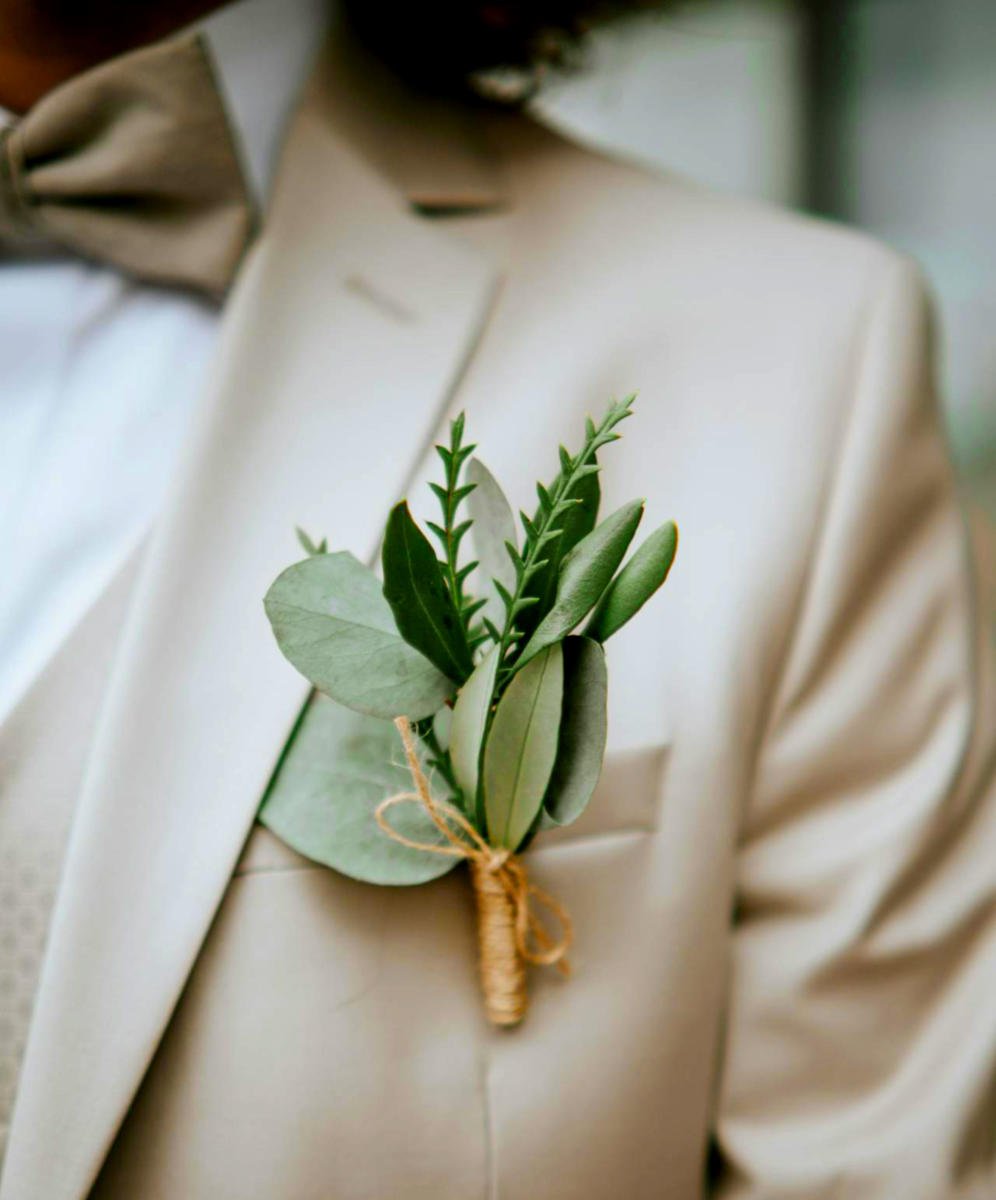
The food and fashion crossover didn’t stay on the runway for long. Once the references became real objects, collaborations and destinations, the trend stepped out of magazine spreads and into everyday culture.
This includes stores, kitchens, cafés, thrift shops and resale markets. The intersection now plays out through experiences and objects people can collect, talk about, or simply get spotted with. Examples include the following.
Luxury Objects
Some of the most talked-about examples of the food-and-fashion crossover show up as objects people can hold, wear, or live with in real life. Take bags that borrow directly from food packaging and branding.
The Jacquemus milk-carton bag turned a familiar everyday item into a leather accessory that sold out quickly and became a visual shorthand in fashion circles, mixing playfulness with recognisability.
Kate Spade’s collaborations with Heinz brought the condiment’s iconic red and branding to purses, totes and accessories, part of a playful “condiment couture” moment that blurred snack branding with fashion identity.
Fans of tactile design also point to pieces like pasta-shaped clutches and other novelty handbags that function as conversation starters more than discreet bags.
Outside accessories, the partnership between Dolce & Gabbana and SMEG reimagines kitchen appliances with decorative motifs rooted in fashion house aesthetics, elevating seemingly mundane objects into patterned, collectible design pieces that reflect broader style values rather than just utility.
Streetwear + Food
Streetwear culture has long pulled in unexpected influences, and food brands have become a surprisingly strong partner because they tap into nostalgia and shared cultural touchpoints.
Brands like Supreme teamed up with Nabisco to release Oreos stamped with Supreme’s logo, creating limited-edition cookies that sold out instantly and later traded for high prices on secondary markets, a clear example of how food branding can become streetwear currency.
Crocs released McDonald’s collaborations that leaned into nostalgia by turning iconic fast-food characters and branding into Jibbitz charms and themed clogs.
Partnerships like Chopova Lowena with Hellmann’s and Fendi’s capsule with Chupa Chups work on a similar logic, turning familiar food imagery into collectible fashion pieces that circulate within youth and hype culture.
Collaborations like Kate Spade with M&M’s and Balenciaga with Erewhon extend the idea further, drawing on pop culture and lifestyle associations to create products people talk about because they combine two very different but instantly recognisable cultural symbols.
High-Fashion Dining Culture
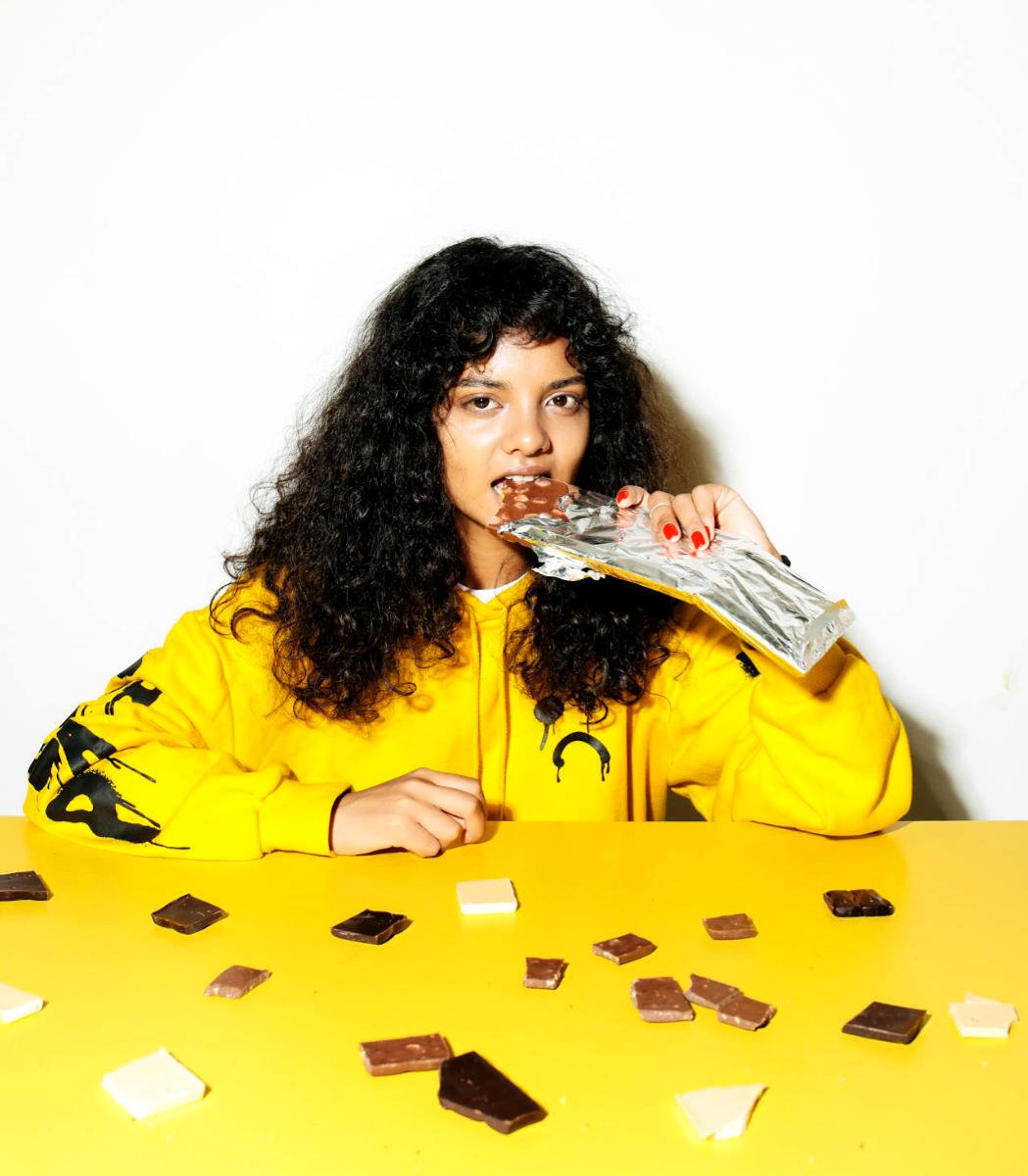
Fashion Week, often described as the industry’s most exclusive event reuniting the crème de la crème, has always had a parallel life built around food. Long before food became a digital talking point, Fashion Week was already a gourmet rendez-vous, where invitations and seating carried their own social weight.
Being spotted at a certain table or after-party was part of the moment, and restaurants began leaning into it. In New York, some gastronomic restaurants host Fashion Week soirées where experimental dishes debut to an audience that treats the menu like another form of show programming.
Paris tested a different spin with Fast and Food Week, a haute-couture-styled take on street-food, designed to widen the audience while keeping the theatrical intent intact.
The creative exchange flows the other way too: models and designers have stepped into food projects not as chefs, but cultural participants. Karlie Kloss launching a cookie line with Christina Tosi of Momofuku Milk Bar reflected that shift toward food as personal side-project territory.
Fashion magazines then expanded it further by publishing models’ healthy recipes and commentary on dining, while designers like Jean Touitou of A.P.C. and Azzedine Alaïa became known for cooking within fashion’s social circles, proving that food fluency wasn’t entering fashion from the outside, it was already in the room.
Luxury Brands Enter the F&B Space
As fashion houses expanded their influence, retail spaces became the next testing ground. Luxury brands like Hermès and Armani entered the food and beverage industry by opening cafés and restaurants connected to their stores.
Café Hermès launched in Tokyo, giving shoppers a reason to stay longer, talk about the space, and associate the brand with a dining moment, not only a purchase. Armani’s Ristorante and Caffè, rooted in Milan and replicated in major cities, made the menu part of the brand experience, carrying the same visual discipline as its design ethos.
These spaces placed food inside fashion’s social rituals: a visit became something to be seen doing, shared socially, and discussed culturally, especially in cities where fashion already shapes the pace of the day.
Why Consumers Leaned In
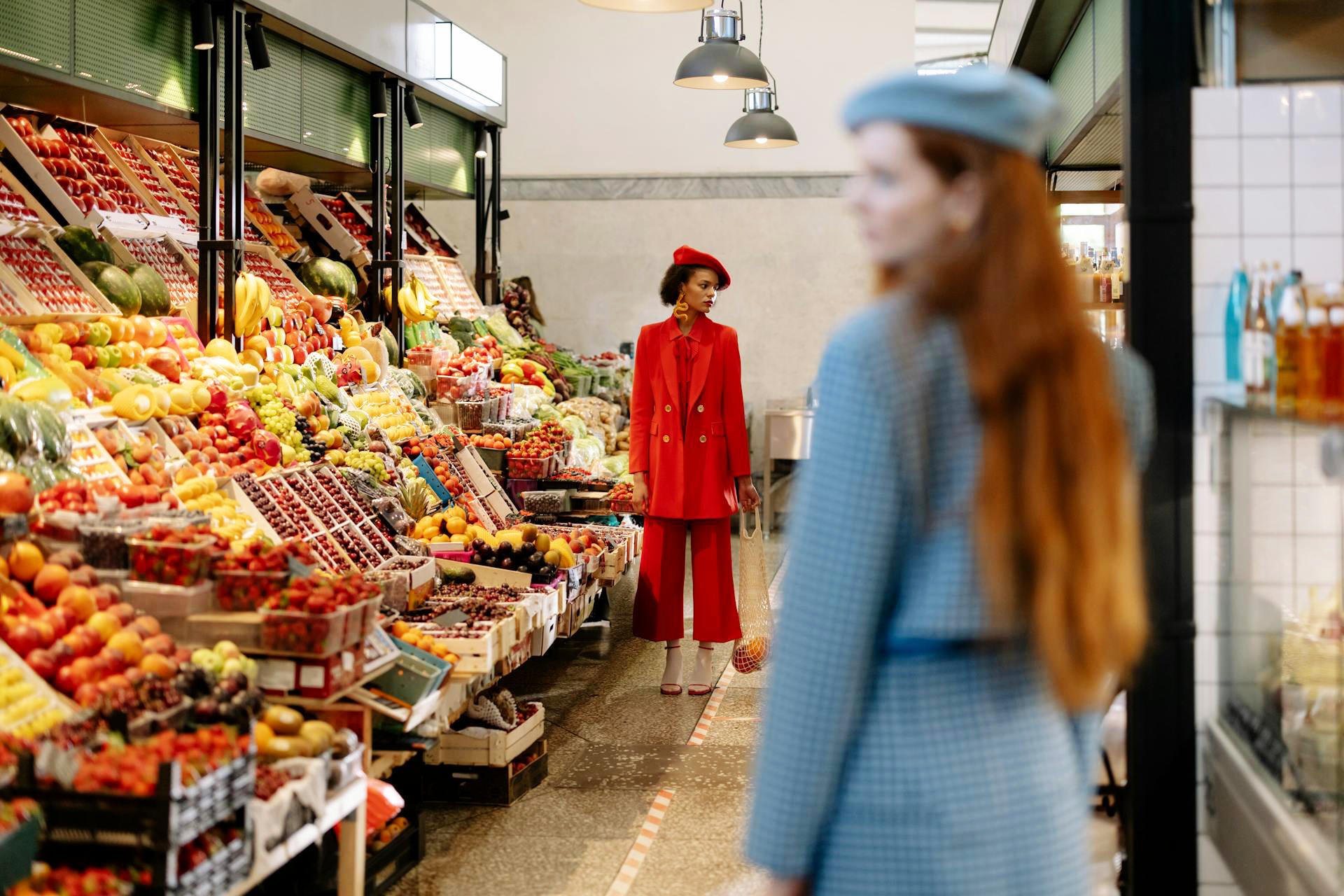
Consumers leaned in because the crossover made participation easy. Limited releases created attention, but the response really took off because the references were familiar, immediate, and social. Food-coded pieces and limited drops gave people something to track, trade, and discuss, the same way they do with sneakers, capsules, or subculture staples.
Meme culture accelerated demand by turning everyday food symbols into items worth circulating, collecting, and reselling, especially in communities where scarcity drives credibility and conversation.
The postmodern blending of high and low culture helped the trend spread beyond traditional fashion audiences, making it feel less like a niche joke and more like a shared cultural moment that anyone could join, own, or be spotted with.
What Next?
To reiterate, this mash-up isn’t a new thing at all. In the 1930s, Salvador Dalí painted a giant lobster onto a Schiaparelli evening dress, a surreal moment that helped open the door between art, food, and style.
Around the same era, artists like Andy Warhol took everyday consumer items such as Campbell’s soup cans and made them the subject of high art, breaking down the barrier between commercial imagery and cultural meaning.
Fast forward to 2025 and that same impulse shows up in the examples discussed above. What’s next might not be another lobster dress, but it will likely continue to blur categories, with chefs influencing designers, brands partnering with unexpected food culture icons, and consumers somehow finding meaning in the overlap.