For all its visibility, “molecular cuisine” remains one of the most contested terms in contemporary cooking. It appears throughout hospitality schools, food media, and tourism marketing, yet many chefs reject it outright.
Enthusiasts often misunderstand it, professionals disagree on its meaning, and some of the very figures credited with shaping the field argue that the label was misguided from the start. What complicates the conversation is that the term has come to represent more than it was meant to.
The term is widely used to describe a supposed culinary movement, even as the movement itself is disputed. Is it science? Is it a style? Is it simply a convenient label for dishes that look unfamiliar? Or is the entire category misunderstood?
Yet the influence of these ideas is undeniable. Techniques born from scientific inquiry now appear in professional kitchens of all kinds, not simply those chasing innovation for its own sake.
They have contributed to new approaches to texture, precision, and consistency, even when the results look perfectly traditional. This guide makes the case for and against molecular cuisine and unpacks what chefs actually think about it, and how it developed into a recognisable style.
What Chefs Say About Molecular Cuisine
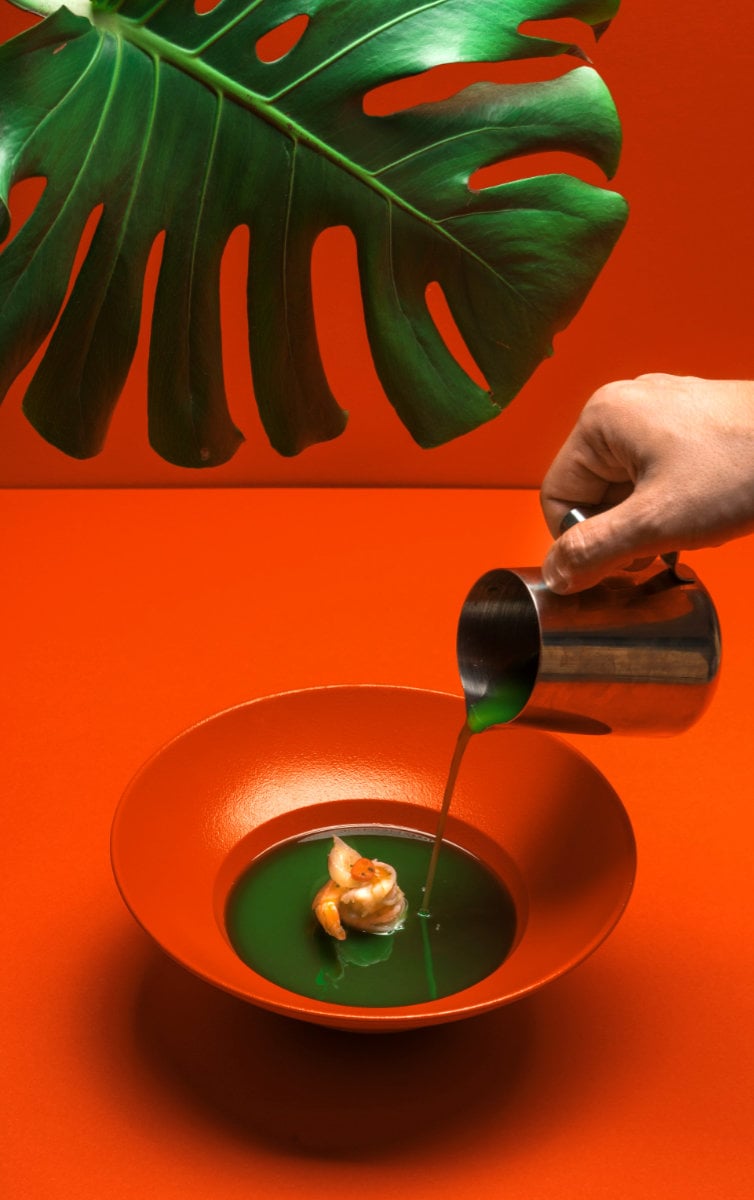
The term "molecular gastronomy" is often used to designate “the study of how food changes when it cooks.” But it has been rejected by the likes of Heston Blumenthal, chef of the famous Fat Duck Restaurant and portrayed by many as a visionary in the field.
In a statement published with other chefs, Blumenthal declares that it's just a fashionable term that "does not describe our cooking, or indeed any style of cooking". According to Blumenthal, molecular cuisine is dead.
Indeed, if he had his way it would never have been born in the first place. He thinks the term creates artificial barriers. "Molecular makes it sound complicated," he says. "And gastronomy makes it sound elitist."
Blumenthal is simply using new tools to cook traditional dishes, such as treacle tart and fish and chips, in addition to experimental dishes including snail porridge and crab ice cream.
However, a new term for this approach to cooking has not received widespread consensus and chefs are looking for a label that describes what it is that they actually do. In order to move away from the contested term "molecular," Ferran Adrià applied the term “techno-emotional,” conceived by Pau Arenós, a Catalan journalist... For all intents and purposes, that's even more ambiguous.
A number of chefs, desperate for a description of their cooking style, adopted the new term, but the majority of the food-writing community met it with derision. Now Adrià uses 'scientific gastronomy' to describe his approach. Harold McGee, food writer for The New York Times, argues for simple ‘gastronomy’ as “all cooking involves scientific processes.”

As we see, chefs experimenting on how food changes through cooking, are at odds in coming up with a single, consensual term, consistently applied throughout the industry to define what they are doing. How can "molecular gastronomy" be considered a culinary movement when those within the establishment cannot agree on the exact phrasing?
Is It a Culinary Movement?
A paper published in 2010 by Dr. Marc Stierand, professor of Service Management at EHL, and co-authored by John Cousins and Kevin O’Gorman ("Molecular gastronomy: cuisine innovation or modern day alchemy?", International Journal of Contemporary Hospitality Management, Vol. 22 Issue: 3, pp.399-415), shed definite light on how to tackle the puzzle.
In their study crossing five countries, the authors looked at the original intention of ‘molecular gastronomy’ and analyzed the evolution of the term. They identified the four key elements that characterize the development of lasting cuisine movements and trends:
- Initiation by established chefs at the top of their profession;
- Understanding and application of the broad range of sciences and technology;
- Support and promotion from knowledgeable media; and
- A long time to become fully established.
These four elements were clearly present in the development of, for example, the “nouvelle cuisine”. Does molecular gastronomy provide any real basis to currently be considered as a culinary movement? The simple answer is no:
- It has not been initiated by established chefs;
- It does not have clearly identifiable gastronomic principles underpinning it;
- It lacks the understanding and support of knowledgeable media; and
- It has not been around long enough.
“Having been a chef myself and researched many chefs all over the globe, it is clear to me that molecular gastronomy has not become a culinary movement. Boiling an egg is fundamentally molecular and we've done it for thousands of years. 'Avant-garde' cuisine would be a much better term to use since chefs like Adria and Blumenthal are driven by a desire to push the boundaries of what is accepted. Much of what these chefs do will never appear on our plates at home. But, nouvelle cuisine dishes such as Troisgros’ salmon with sorrel cream sauce did and do.” explains Dr. Marc Stierand.
Even though “molecular gastronomy” is not a culinary movement, the spread of the term cannot be ignored. Clarification on exactly what it is and what it encompasses is necessary to avoid confusion among leading chefs, food enthusiasts and the food-writing community throughout the world.
So What Is Molecular Cuisine?
At its core, molecular cuisine is simply the practical application of the scientific understanding of food. While molecular gastronomy studies how ingredients behave on a chemical and physical level, molecular cuisine uses those insights to shape dishes. The aim isn’t to replace traditional cooking but to work with greater precision.
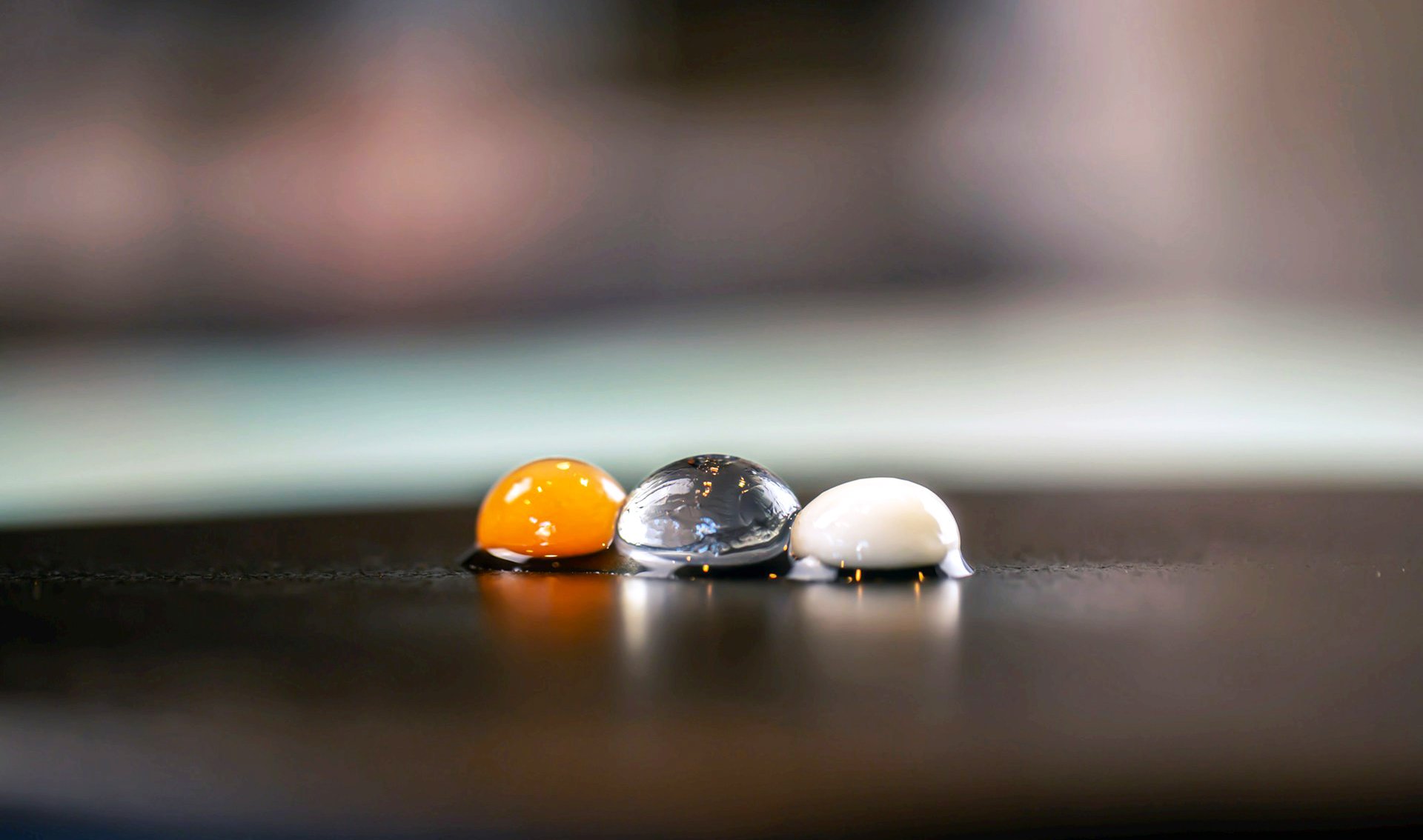
One of the focuses of this approach is transforming texture or structure. Liquids can become pearls, foams, or gels. Heat can be applied more selectively. Ingredients can be concentrated, intensified, or completely re-interpreted. The result is a style of cooking that blends creativity with technical skill while still respecting the flavour foundations of classic dishes.
That doesn’t have to mean abandoning tradition; rather the innovation often builds on classic flavours or recipes, but re-works them using new tools or concepts. The effect is to invite diners to reconsider flavour, texture and format in a new way.
While the tools and approaches vary, several techniques are closely associated with molecular cuisine:
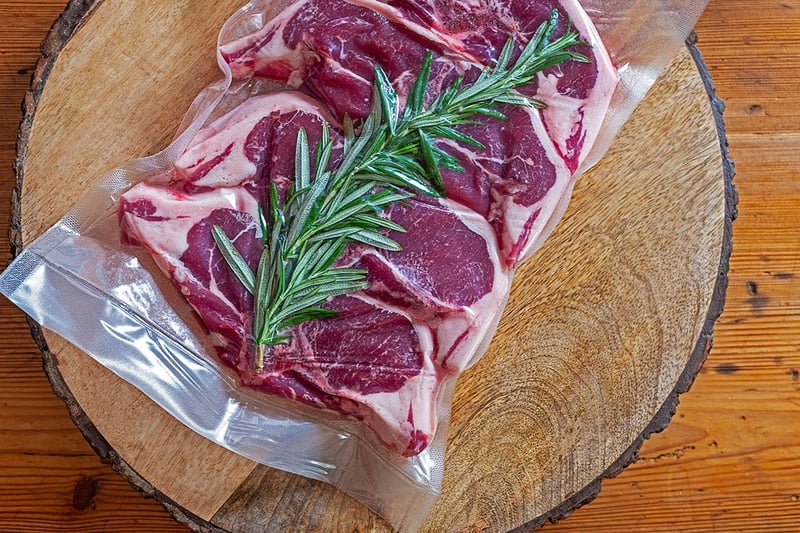
- Impregnation: Using vacuum bags and a flavoured aqueous medium (e.g., juices or spirits) to infuse colour or texture into an ingredient.
- Lyophilization (Freeze-drying): Removing water by freezing the food and then sublimating the ice directly to vapour. The result preserves volume, nutrients and organoleptic qualities without high heat.
- Liquid nitrogen-based rapid freezing: At temperatures between –196 °C and –210 °C, liquid nitrogen can be used to freeze foods rapidly, enabling novel textures (e.g., ultra-smooth ice cream, unexpected crunch).
- Distillation under vacuum (rotary evaporator): A technique borrowed from labs, used to extract or concentrate flavours, produce transparent flavour-waters, or separate components at lower temperatures.
- Gelation: Introducing gelling agents to transform liquid ingredients into gels, giving different texture experiences.
- Foams: Using siphons or other devices to create very light textures, often emphasising flavour more than bulk.
- Spherification: Encapsulating a liquid inside a gelatinous membrane to present flavour in a sphere form: an example of playful transformation.
- Deconstruction (conceptual technique): Coined by Ferran Adrià, it refers to taking a known dish, breaking it down into component flavours/textures, then reconstructing it in an unexpected way for the diner.
How It Came to Be
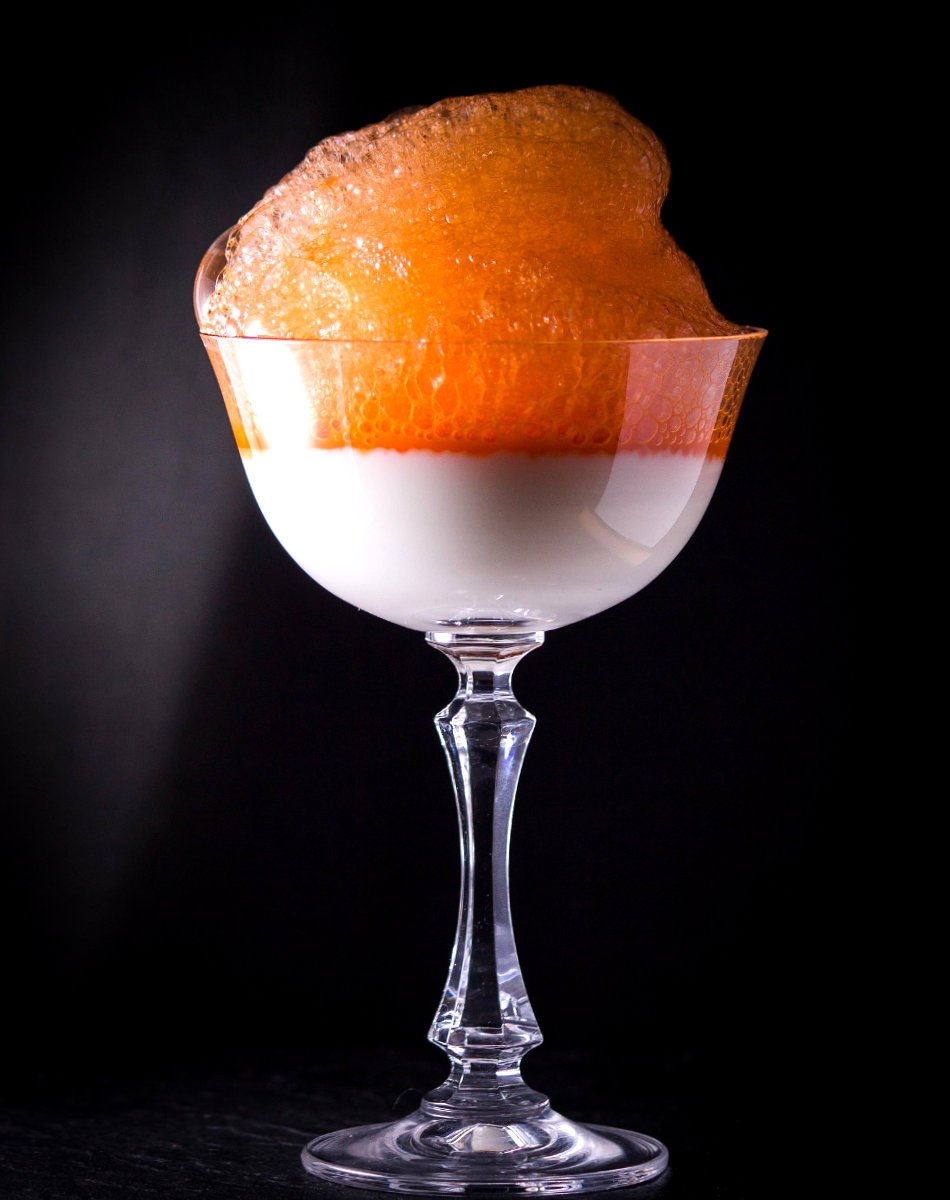
The ideas behind molecular cuisine began taking shape when scientists and chefs started asking deeper questions about the mechanics of cooking. Early workshops brought these groups together and helped shift the field from theory into practice.
As professional kitchens explored the possibilities, a handful of pioneering chefs began designing dishes around these principles. Their experiments opened the door for a new way of thinking about food, where the sensory experience of eating could be shaped through controlled physical and chemical reactions.
Over time, the approach became more accessible, and many of the tools once considered experimental are now standard in well-equipped kitchens.
The Case For Molecular Cuisine
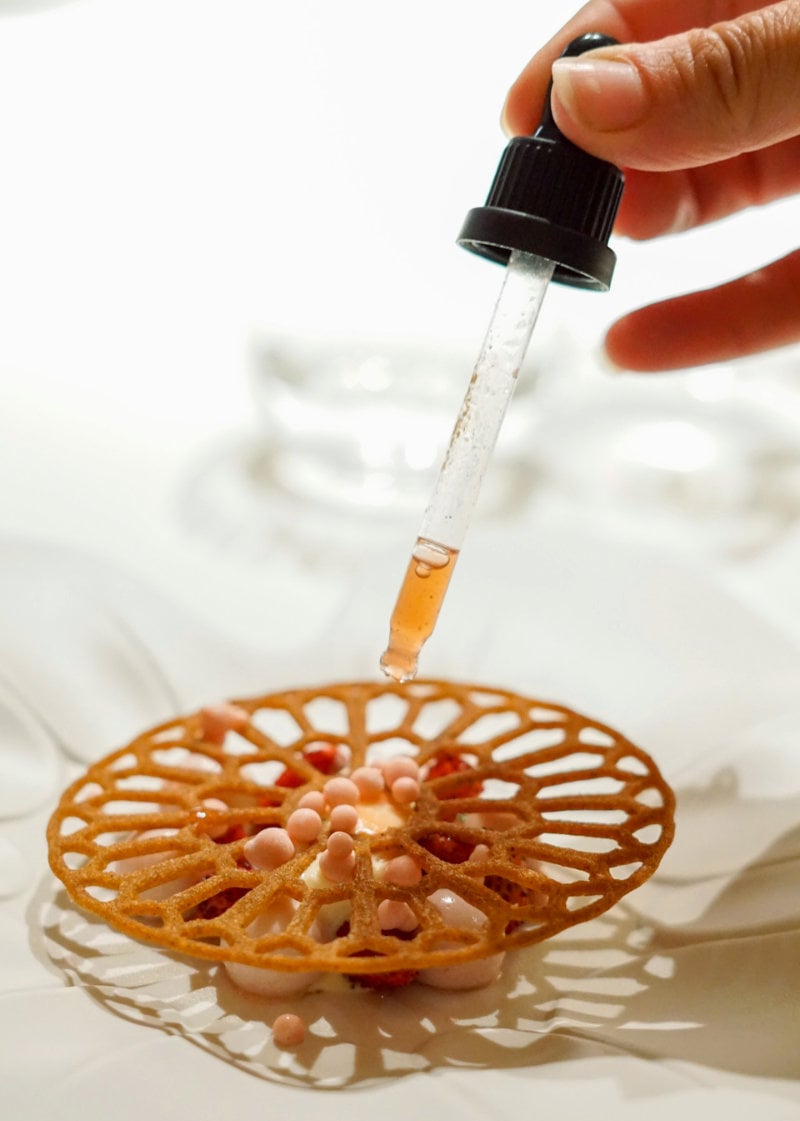
In recent years, molecular cuisine has moved beyond being a novelty and is considered a meaningful evolution in cooking by many.
One reason is that its methods offer genuine operational advantages: processes originally developed for large-scale kitchens or food science use help chefs optimise cooking times, enhance preservation of flavour and texture, and deliver consistent results.
Several innovations from molecular cuisine are now integrated into mainstream kitchens because they allow for faster, more controlled cooking and improved food quality.
Another compelling argument is guest experience: molecular cuisine invites exploration of texture, temperature, form and flavour in ways that traditional cooking seldom addresses. It offers chefs the tools to reconstruct familiar dishes in surprising ways, thus underlining creativity and differentiation.
Finally there is broader utility: some of the same techniques have proved valuable beyond fine-dining—in healthcare settings for texture-modified diets, and in the food industry for new product development and ingredient stability.
So if your objective is not simply to amaze but to deliver (improved quality, consistency, and new experiences), then molecular cuisine merits serious consideration.
In Summary
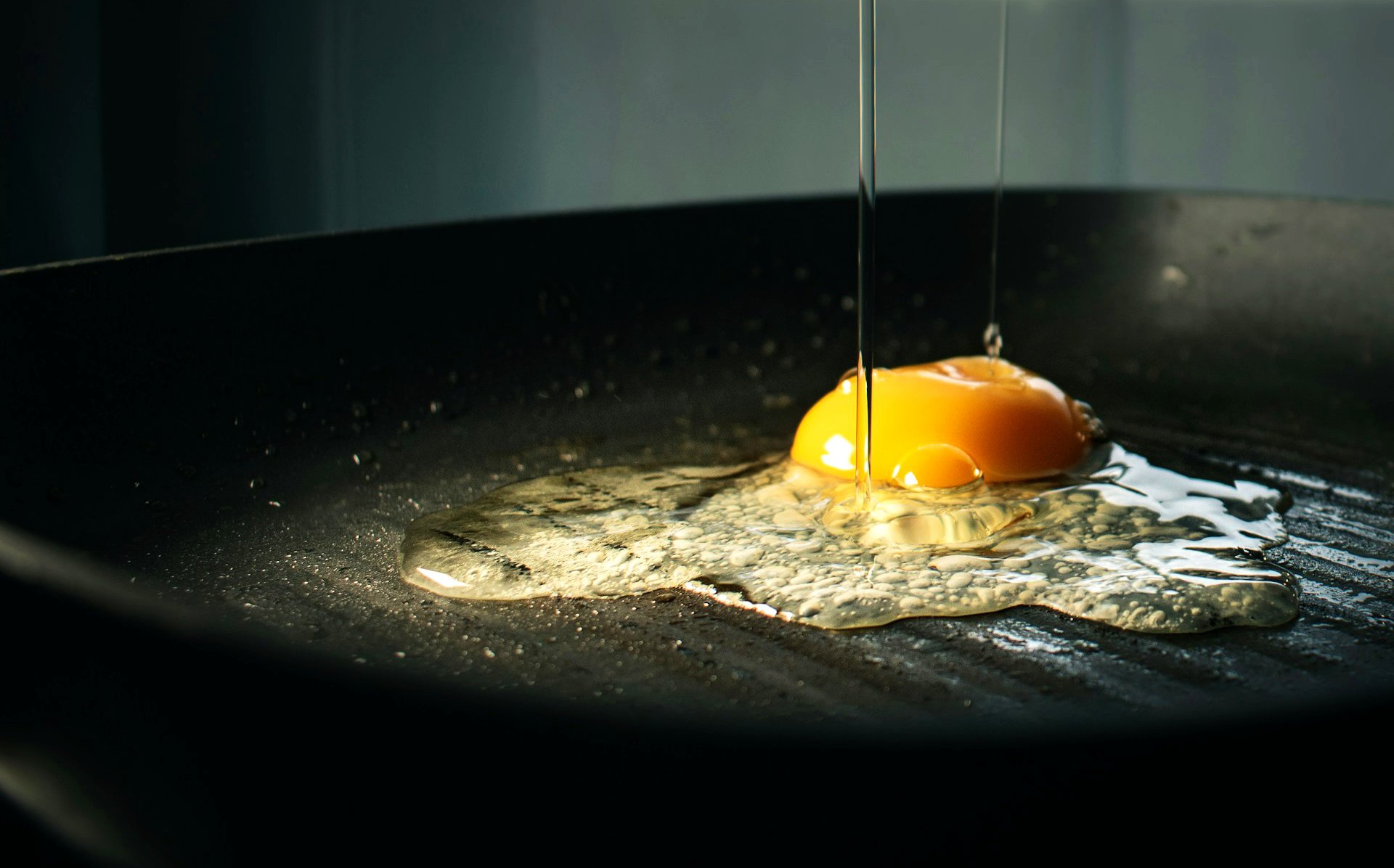
Molecular cuisine sits at an interesting intersection of science, craft, and curiosity. It doesn’t replace traditional cooking and was never meant to. Instead, it adds another dimension to how flavour, texture, and presentation can be shaped.
Whether a chef uses it sparingly or builds an entire menu around it, the value lies in understanding how these tools can elevate intention. In the end, it reminds us that cooking is still a space for experimentation, and that even familiar ingredients have more to offer when we’re willing to look a little closer.