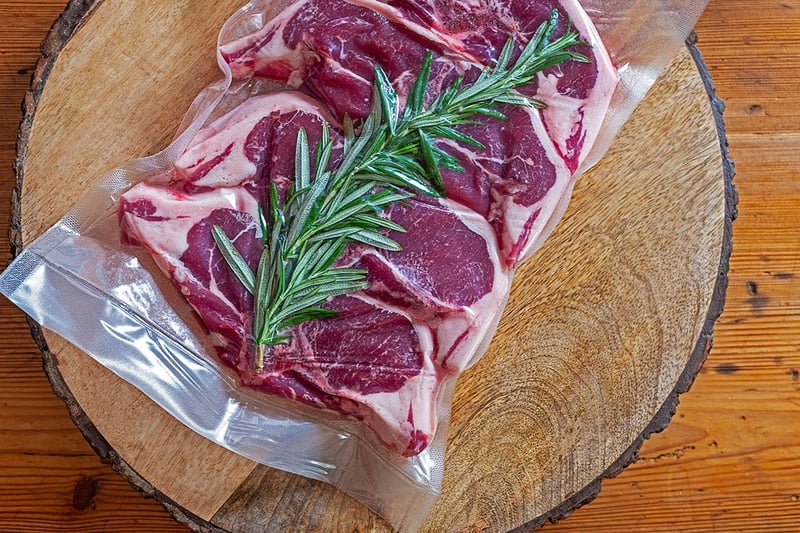
Working in the culinary arts opens the door to a wide range of career paths, each with its own rhythm, responsibilities, and rewards.
The industry spans hands-on kitchen roles, leadership positions, nutrition-focused careers, education, and operational management, offering far more variety than many people initially expect.
With such breadth, selecting the right culinary arts degree requires a clear understanding of how you want to work, how you prefer to learn, and the kind of professional life you want to shape.
Degrees that sit under the same camp can lead to very different day-to-day realities. Different programs prepare students for distinct working environments and responsibilities, even when they appear similar on paper.
In this article, we help you clarify your direction by guiding you through key questions that link your interests, strengths, and long-term goals to the culinary arts degree that best supports them.
Clarity Q&A With Self
Choosing a culinary arts degree depends on the role you want to pursue and the responsibilities you are drawn to within the industry. Different paths emphasise different skills, working styles, and levels of involvement.
The following questions are intended to help you think through those differences and identify the type of culinary arts degree that best supports your intended career direction.
How Do You Want to Participate in This Industry?

The culinary arts industry offers many ways to build a career, each with a very different day-to-day experience. Some roles are hands-on and creative, while others focus on planning, oversight, and long-term decision-making. Understanding where you want to sit within that spectrum is a useful first step.
Take the role of a food nutritionist. While this position is less visible than a chef’s, it plays an important part in shaping what ends up on the plate. Nutritionists help ensure that meals are balanced and thoughtfully composed, taking into account carbohydrates, protein, fibre, vitamins, and minerals to support overall health.
At the operational level, a restaurant manager occupies a different position altogether. This role involves coordinating kitchen, service, and cleaning teams, managing schedules and standards, and ensuring the business runs smoothly behind the scenes. Although removed from daily food preparation, the impact of this role is felt across the entire operation.
Before choosing a culinary arts degree, consider how you want to contribute to the industry and where you would feel most engaged. The right programme will equip you with the skills and perspective needed to succeed in that specific role.
What Role Do You Want to Play?
Beyond the type of work you enjoy, it is worth considering the level of responsibility and visibility you want to hold within the culinary arts industry. Some roles place you at the centre of decision-making and public-facing leadership, while others allow you to contribute through guidance, expertise, or knowledge-sharing.
Degrees in areas such as restaurant management or professional cookery can lead to positions where you shape standards, influence teams, and carry accountability for outcomes. These roles often involve setting direction and being closely associated with the success of a kitchen or operation.
For those drawn to sharing knowledge and developing others, teaching and training offer a different form of impact. Many culinary professionals later extend their qualifications into education, mentoring, or instructional roles, passing on their experience to the next generation of industry talent.
What Is Your Personality Type?
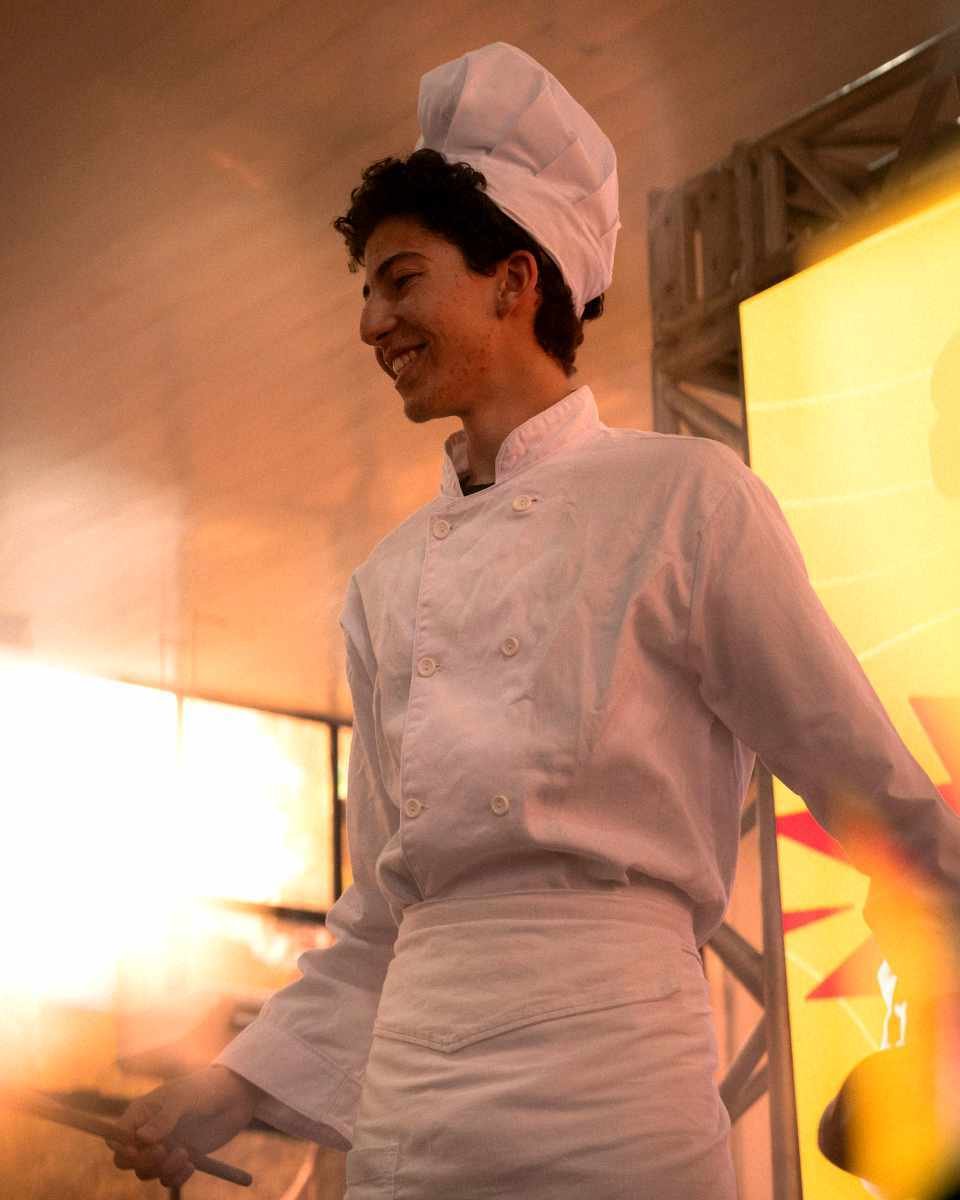
Your personality plays a significant role in how you experience work in the culinary arts. Different roles suit different working styles, levels of responsibility, and lifestyle preferences, so it is worth considering where you naturally feel most comfortable and effective.
If you enjoy leading teams and making decisions, a degree geared towards professional cookery or management may suit you well. These paths often involve setting direction, maintaining standards, and taking responsibility for both people and outcomes.
If you find satisfaction in supporting others and contributing as part of a close-knit team, roles such as sous chef or kitchen cook may be a better fit. Hospitality and service-focused degrees can also appeal to those who enjoy working with people and creating positive experiences through care and attention.
For those energised by the pace of a busy environment, careers in beverage, service, or kitchen operations offer constant movement, collaboration, and variety. Choosing a degree that aligns with how you naturally work can make a meaningful difference to long-term satisfaction in the industry.

How Long Are You Willing to Study?
The length of time you are prepared to commit to study plays a key role in narrowing your options. Culinary arts programmes range from short, skills-focused courses to multi-year degrees, each designed for different stages of experience and career intent.
Shorter programmes typically focus on sharpening specific techniques or expanding existing knowledge. They are well suited to professionals who already have industry experience, as well as those looking to upskill quickly before returning to work.
Longer programmes, including master’s degrees in culinary arts, offer a deeper and more structured education. These degrees combine extensive practical training with advanced theory and can support progression into senior kitchen roles, leadership positions, or international careers within high-end establishments.
Clarifying how much time you are willing to invest in your education helps ensure that the degree you choose aligns with both your professional objectives and your current circumstances.
Do You Want to Learn In Person Or Online?
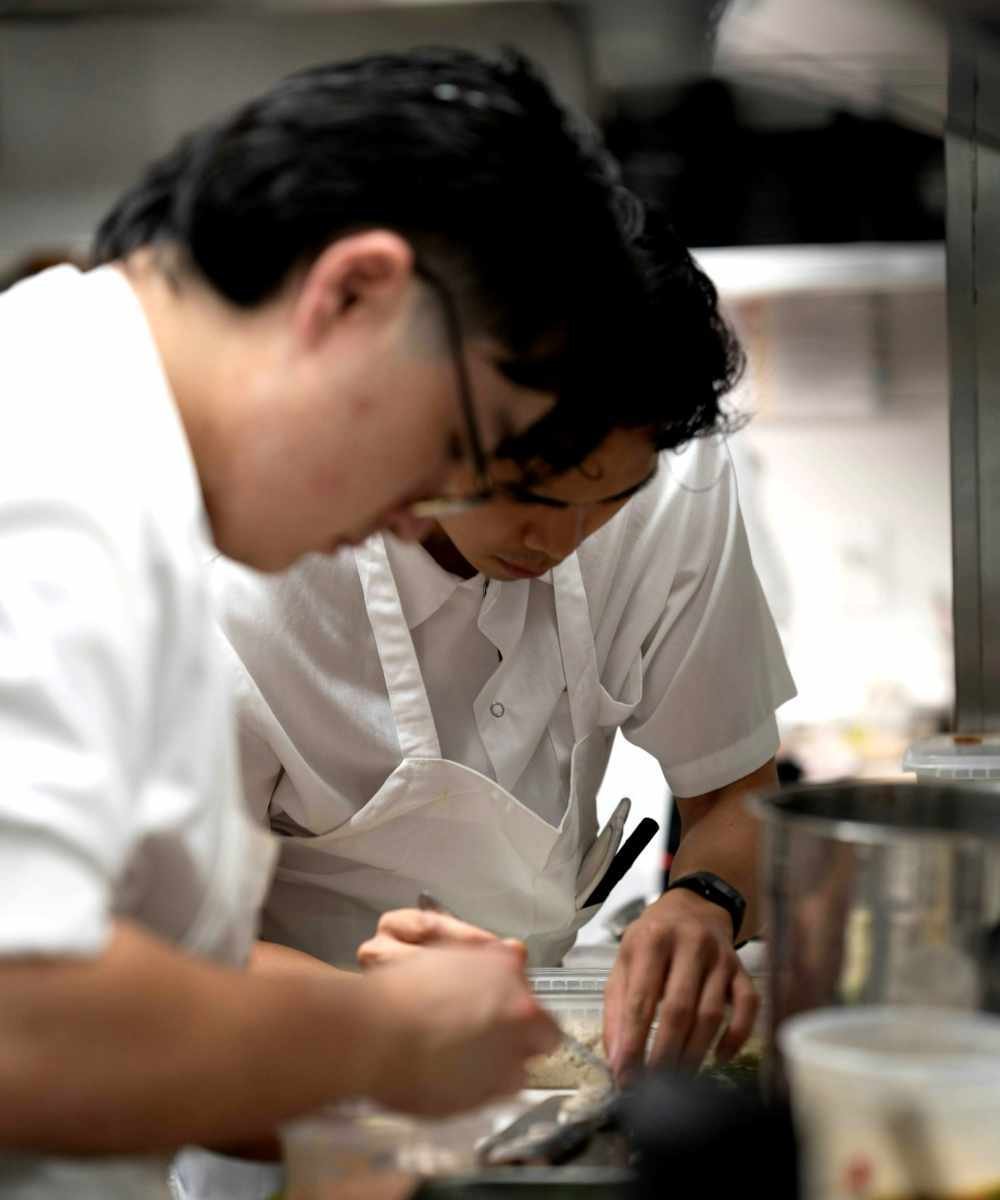
The format of a culinary arts degree can significantly affect how you experience the programme and how well it fits into your life. Some degrees include online components that allow for greater flexibility, while others require consistent, in-person attendance for practical training and assessment.
When weighing these options, consider how much time you can realistically commit and how you learn best. Hands-on disciplines often benefit from face-to-face instruction, while theory-led or management-focused programmes may offer more room for remote study. Choosing a format you can engage with fully is essential to getting the most value from your education.
Specialisation vs Generalisation
As you explore culinary arts degrees, it is worth considering whether you want to specialise early or build a broader foundation first.
Some programmes are designed around specific tracks such as pastry and baking, plant-based cuisine, nutrition, beverage studies, or culinary management, allowing you to develop depth in a defined area from the outset.
This approach can be well suited to students with a clear sense of direction and a strong interest in a particular craft or discipline. Other degrees take a more generalist approach, exposing you to multiple areas before encouraging specialisation later on.
These programmes tend to keep options open for longer, which can be valuable if your interests evolve as you gain experience. A broader foundation also supports career flexibility, particularly in an industry where professionals often shift roles or responsibilities over time.
Career Outcomes and Employability
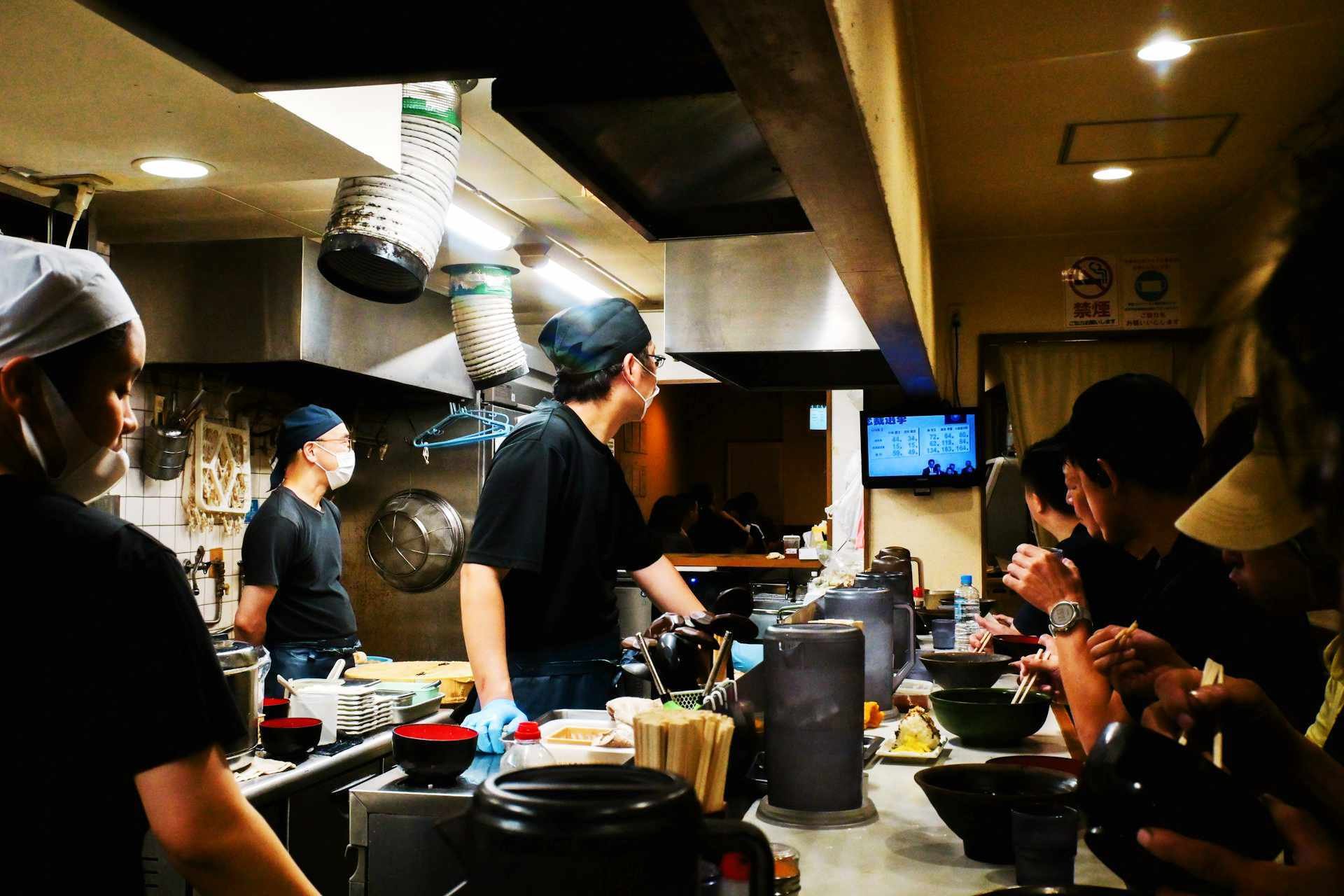
Understanding what typically happens after graduation can help set realistic expectations. Culinary arts graduates often begin in entry-level or junior roles, building experience on the job before progressing into positions with greater responsibility.
The timeline to reach senior roles varies widely, influenced by the type of degree, the quality of training, and the individual’s willingness to take on demanding environments early in their career.
Degrees with strong industry links, practical placements, or a clear professional focus tend to offer more reliable pathways into employment, while broader academic programmes may support longer-term progression across management, education, or specialist roles.
Return on Investment, and Financial Commitment
The financial side of a culinary arts degree deserves careful consideration. Tuition can vary significantly between diplomas, bachelor’s degrees, and master’s programmes, with longer and more specialised courses carrying a higher upfront cost.
Beyond fees, students should also account for expenses such as professional tools, uniforms, ingredients, and, in some cases, unpaid or low-paid internships that form part of the training.
How quickly that investment pays off depends largely on the role you pursue after graduating, as progression and earning potential differ across kitchen, management, and specialist career paths.
Before You Take the Next Step
Choosing a culinary arts degree is a big decision, but it does not need to feel overwhelming. The right programme should make sense not just on paper, but in the context of how you want to work, learn, and grow in the industry.
Take your time with the questions above, be honest with yourself, and remember that the best choice is the one that supports the career you will still enjoy years down the line.