Service design thinking is a critical component to ensuring a company's success in the service industry. It drives the user's experience and builds a company's brand image, and in industries like hospitality, where the product is the experience, getting it right is everything.
Because of the intangible nature of a service, it can be more difficult to create a design for it than it is to design a physical product. For instance, a hotel room can be inspected before a guest walks in; the experience of actually staying in it cannot be pre-approved in the same way.
This is precisely why service design is often overlooked, and why the consequences tend to show up quickly in customer experience and, eventually, the bottom line. In this guide, we cover nine principles that give you a practical framework for designing services that work: for your customers, your staff, and your business.
What Is Service Design Thinking?
Service design thinking brings together the organizing and planning of a business's resources to improve both the customer experience and the front-line staff experience.
When a company is plagued with poor service, it is often the result of flaws and failures that occur within the system. So to create a customer experience that can properly promote your company's brand image, you will need to think through a service design that involves both the employee's and customer's experience and how they work together to be favorable to both.
While developing a service design can be difficult, including these 9 principles to your design thinking will maximize your chances of success.
What Makes Service Design Work
Across industries, the gap between average service and genuinely good service usually comes down to intent. Specifically, whether the experience has been deliberately designed around the customer or simply allowed to develop around internal convenience.
The principles below offer a practical framework for getting that balance right, drawing on everything from the basics of meeting customer needs to the less obvious discipline of testing a design before it reaches the people it is meant to serve.
Whether you’re running a hotel, a restaurant, a call center, or any other service operation, these principles apply.
1. Start With What the Customer Actually Needs
While your first instinct may be to think about the needs of the business, for a design plan to be successful, you must first consider the needs of the user. An example of putting the user's needs first could start simply with a phone system.
It may be tempting to use a more automated process with a robot operator that can help the customer navigate to who they need to speak to, but this system is flawed as it will often result in poor user experience. Even though the technology is widely accepted in today's business world, if it becomes difficult for a customer to get the information they are looking for quickly, they will likely become frustrated and associate that negative experience with your company.
In hospitality, this principle plays out at every touchpoint. A guest who has to repeat their dietary requirements three times across three different staff members, or navigate a check-in process clearly designed around the hotel's operational convenience rather than their own comfort, will notice. The experience of being served should feel effortless from the customer's side, even when considerable effort is required behind the scenes to make it so.
2. Make Goals Easy to Achieve
Another item vital to the customer experience is making goals easily obtainable for the user. If a customer signs up for an account and wishes to cancel their account or service, it should be easy to do. Giving them the runaround can create bad blood and damage your image with the public. If a contract is involved, the terms should be easy for the customer to understand, and they should be able to end the contract smoothly when the outlined terms are satisfied.
This holds just as true for service interactions that don't involve contracts at all. A guest requesting a late checkout, a restaurant patron trying to split a bill, a loyalty program member attempting to redeem points. Each of these is a goal the customer has set for themselves, and the ease or difficulty of achieving it shapes how they feel about you. When the process works, they barely notice. When it doesn't, they remember.
3. Design With the Individual in Mind
One of the worst things from a customer service perspective is for the customer to feel that they are just an account number or a revenue line.
You may have noticed how customer service representatives ask who they are speaking to, share their own name, and often ask a question related to where the person is based. This is not idle chit-chat. It signals to the customer that the company sees them as a person rather than a transaction.
Another way a design plan can build in personalization is through customer service channels like email. While templated responses are more cost-efficient, a reply that fails to address the specific issue raised (or reads as a generic stock response) will make the customer feel dismissed.
In hospitality, personalization is often the deciding factor between a good stay and a memorable one. Welcoming a returning guest by name, noting a preference from a previous visit, or anticipating a need before it is voiced are not extraordinary gestures in the hospitality context; they are the baseline expectation for any property or brand serious about guest loyalty.
Following a basic template is fine, but including information specific to the customer or their situation communicates that their concern is being properly looked into, not brushed aside.
4. Deliver Value Before It's Asked For
Part of what separates great customer service from average service is knowing what the customer wants and providing it before they even have to ask. All too often, companies will have policies in place that conflict with this in an attempt to protect the bottom line, and in doing so, they create a customer experience that costs them far more in the long run.
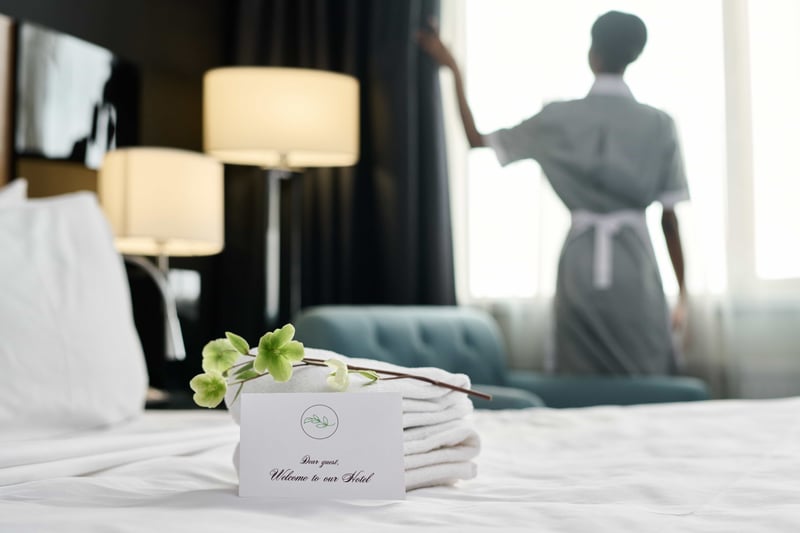
A hotel that refuses to provide guests with extra towels or personal care items to reduce costs is a useful example here. By providing these simple items, the property improves the guest's experience and strengthens its brand image. The cost of the item is negligible compared to the cost of a negative review or a lost repeat booking. Across service industries, the same logic applies: the value created by a positive experience almost always outweighs the cost of providing it.

5. Plan for the Unexpected

While most service designs are built around standard, predictable scenarios, they should also include contingencies for situations that are less likely but entirely possible. A restaurant hit with a sudden rush, a hotel managing a large group check-in during a system outage, an airline dealing with a widespread delay, these are not everyday occurrences, but they will happen.
When special circumstances are handled well, they can actually strengthen customer confidence in a brand. It signals that the company is adaptable and genuinely committed to meeting user needs regardless of what the situation demands.
6. Respect the Customer's Time
In a world where customers can pull up information in seconds, waiting for answers makes them proportionally more impatient than it once did. Your service design should actively look for ways to mitigate wait times.
If customers are on hold or waiting in line for 30 minutes, they are likely to become frustrated or give up altogether. Whether your design improves operational efficiency to shorten waits, or introduces systems like callbacks to remove the need for a customer to stay on hold, parameters should be built in to manage this.
In hospitality, wait times carry particular weight because they happen during experiences that are meant to feel enjoyable. A queue at check-in at the end of a long journey, a slow table turn at a busy restaurant, a delayed room service order, all of these erode what should be a positive experience.
Mobile check-in, pre-arrival communication, and proactive updates when delays are unavoidable are all service design solutions that address this without requiring a complete operational overhaul.
7. Focus On the End Experience
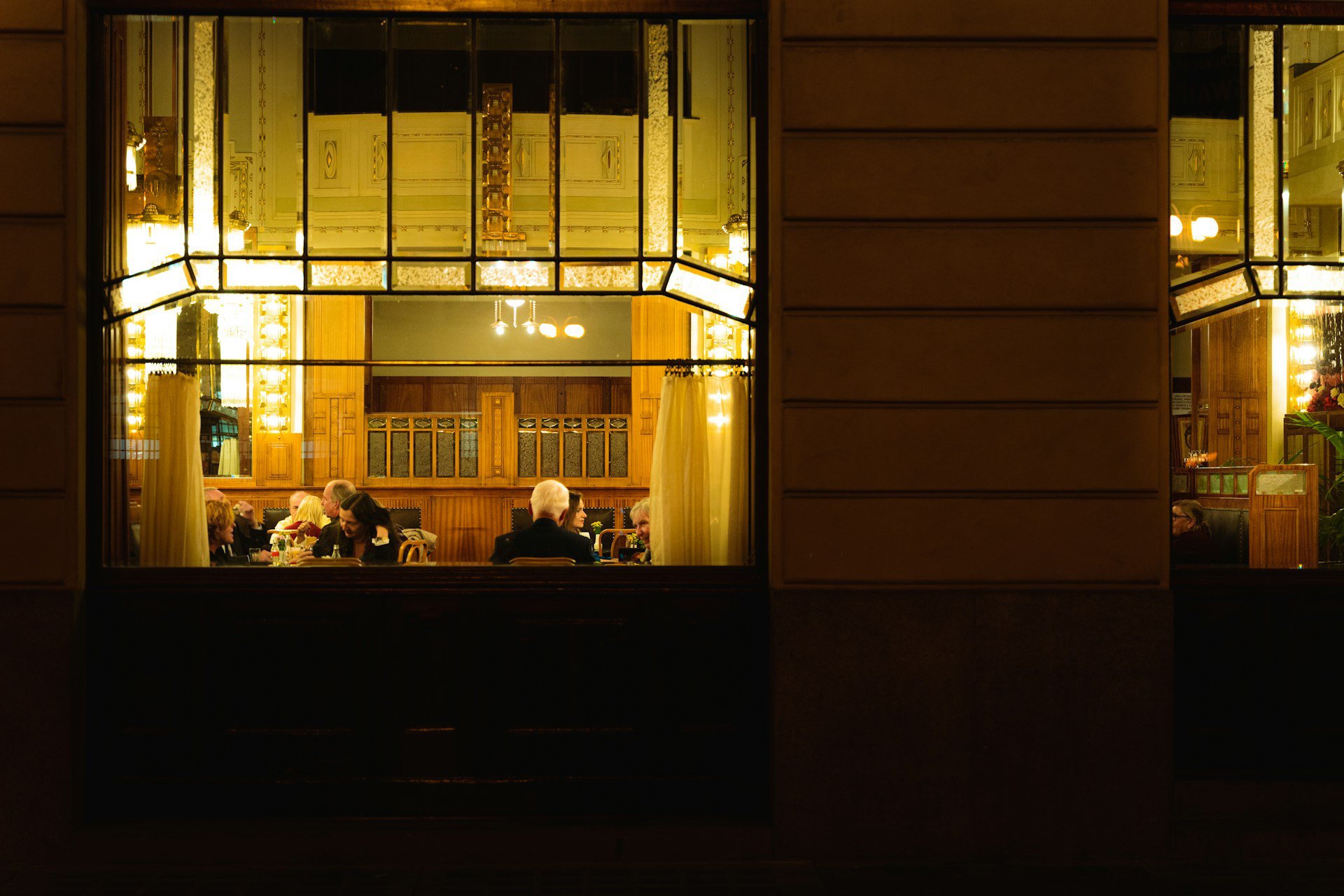
Ideally, you will want your service design to deliver a strong experience from beginning to end. But if that is not always achievable, focusing on the end experience becomes especially critical.
Being made to wait for a table, for a server to take your order, and then for the food to arrive can wear a customer down, but if the meal is exceptional and the service attentive through to the moment they leave, there is a reasonable chance they will leave with a positive impression. Where long waits are unavoidable, small touches go a long way.
A complimentary dessert, a sincere acknowledgement from the manager, or simply ensuring the remainder of the experience is seamless can shift how a guest remembers the whole visit. The customer is most likely to remember the most recent part of their experience, and if that part is a good one, they will carry a positive image of your brand out the door with them.
8. Think in Systems, Not Components
Service design is a plan for the user experience as a whole, and it should be approached as such. Too many companies focus on individual components of the service plan and get hung up on optimizing each one in isolation, missing how they interact with and affect everything else.
Starting with the overall goals and developing an efficient path to achieve them makes it far easier to build the individual components in a way that complement both each other and the larger objective. In hospitality, this is particularly relevant because the guest journey spans so many different departments and touchpoints: reservations, front desk, housekeeping, food and beverage, concierge.
Each team may perform well individually, but if the handoffs between them are poorly designed, the guest's experience will feel disjointed. A unified service design ensures that the whole is greater than the sum of its parts.
9. Test Before You Commit

As with any design, it is always worth making sure something works before committing to it at scale. Even the best-laid plans will have weak points, and the most effective way to identify them is by testing the plan before it goes live.
When evaluating whether a plan will be effective, look at it critically rather than charitably. It is natural to become attached to certain components, but if testing reveals that something does not fit, it is better to remove or adjust it than to force the wider plan to accommodate it.
For service industries, this might mean piloting a new check-in process at one property before rolling it out across a portfolio, or testing a revised guest communication flow with a small segment before making it the standard. The investment in prototyping is always smaller than the cost of correcting a poor experience at scale.
Getting Better at Service Design Thinking
In short, service design is what supports the overall user experience, which is vital to the health of a company and its position among competitors. Poor customer experience cannot only result in a drop in repeat business, but also permanent damage to a company's image.
To create an effective service design, consider incorporating the principles above and be sure to approach them through the eyes of a user. It is important to remember that users are the lifeblood of the service industry, and sacrificing user experience in lieu of the company's bottom line can spell disaster for any company.
Discover THE Service Excellence Guide:
from Service Design to Service Recovery