The luxury sector is growing steadily and creating great opportunities for brands to enter the market or grow their audience.
But it’s no longer all about being flashy and pricey, today’s luxury shopper is more influenced by personalization, innovation, conscious consumerism, and an emotional experience.
So while today’s luxury industry is broader and more accessible than ever before, it’s also more challenging. To meet the high expectations of today’s discerning luxury buyers and stand out from the crowd, brands must achieve customer service excellence.
In this article, we break down the consumer trends reshaping the segment, the core principles of luxury service strategy, and the practical steps you can take to deliver experiences that genuinely set your brand apart.
Key Takeaways
- Today's luxury consumer is shaped by personalization, sustainability, and emotional connection rather than price and status alone, and brands that don't recognize this shift will struggle to stay relevant.
- The luxury segment has its own rules, and applying conventional market thinking to it is one of the most common mistakes brands make.
- Customer service is as important as the product itself, with 89% of luxury consumers rating the two equally.
- Effective staff training, precise customer segmentation, and rigorous testing are the practical building blocks of a consistently excellent luxury experience.
- The KPIs that matter in luxury look different from those in conventional markets, and measuring the right things is what separates brands that grow from those that stagnate.
Business Is Booming for Luxury Brands
In the last few decades, consumption in the luxury segment has increased considerably and steadily:
- In 1995, this industry had 90 million customers;
- In 2013, the figure rose to 330 million;
- Today, approximately 400 million people make purchases of this kind.
- 60% of these people say they are willing to increase their spending in this
- segment if they find options they like.
The global luxury industry recorded sales of €1.15 trillion in 2021 and it continued to grow by around 20% in 2022, with the same growth expected this year. Luxury hospitality, luxury cars, and personal luxury goods represent over 80% of the total market.
Plus, the industry is evolving in response to changing consumer demands:
- Millennials and Gen Z shoppers are creating nearly all of the growth in the luxury sector.
- Trends like quiet luxury and save-to-splurge spending habits are growing.
- Socially responsible, sustainable luxury purchases are more desirable than ever.
- Technology has opened the doors for greater personalization and made luxury shopping available to nearly everyone on the planet.
It’s a great environment for business. But it’s not for every brand. As the consumption ticket has grown, so has the competitiveness. There is a large audience out there that spends and invests in the luxury segment, but brands can only get a slice of the pie if they achieve customer service excellence.

The Value of Luxury Customer Service
To understand the impact of customer service on business success, we’ll go to the experts who created Hospitality & Service DNA Solutions' Definitive Guide to Service Excellence, which states:
“According to a study by McKinsey, 71% of buying experiences are based on how customers feel they are being treated. This means that a large percentage of business success stems from how a customer is made to feel, not just how happy they are with their purchase or service.”
Indeed, if around 70% of all shopping experiences are based on how the customer feels treated in all industry sectors. Imagine how much more important it is for an audience that is making a significant expenditure and seeking status, exclusivity, and unique experiences.
In fact, 89% of luxury customers consider the quality of service as important as the product itself. Given this context, we’ll deconstruct the luxury segment to analyze its key principles and the practical actions you can take as a leader to achieve Customer Service Excellence.
Decalogue of the Luxury Segment: 10 Pillars of Service
Before getting into practical matters, let's take a step back and honestly assess whether your strategy includes the main pillars of customer service excellence in the luxury segment.
Getting this right means unlearning much of what works in conventional markets, because the rules here are simply different. We've distilled the essence and core challenges of the luxury industry into 10 foundational principles.
The Luxury Consumer Is Not Just Anyone
Luxury consumers represent a minute proportion of the world's population, which means that leaning on broad demographic data to understand them is a costly mistake. This is a highly specific audience with distinct motivations, values, and expectations that vary significantly even within the segment itself.
Reaching them effectively requires more precise methods: dedicated focus groups, careful cross-referencing of your own customer data, and segmentation models built around luxury behavior rather than general consumer trends.
Reputation Is Your Primary Asset
A Harvard Business Review report found that a decrease of one star in the average rating on review sites like Yelp can result in a 5-9% reduction in sales for luxury-associated businesses, such as Michelin-starred restaurants. And bad reviews can damage the reputation of a luxury brand for a long time.
A study by ReviewTrackers found that 94% of consumers avoid a brand with bad reviews. This is a general statistic; imagine how much worse it is within a luxury niche!
Innovation and Exclusivity Go Hand in Hand
It's not about having the most expensive furnishings to receive your clients or including materials like gold or diamonds in certain products. That's only ostentation and barely a small part of exclusivity.
As Suzanne Godfrey, an independent brand and marketing consultant and lecturer at EHL, once said, "Luxury brands are leaders, not followers". Today, luxury users perceive a brand as exclusive if it offers different options, is at the forefront of the market, and has innovation as its mindset.
Quality Lives in the Small Details
Luxury consumers are selective by nature, and what wins them over is rarely the obvious. While the product itself must be exceptional, it's often the surrounding experience that leaves a lasting impression: the way a purchase is presented, how a question is answered, the tone of a follow-up message.
According to Deloitte, over 57% of millennial luxury consumers say they would pay more for personalized goods, Market News which tells you something important: personalization isn't a nice-to-have, it's part of the value proposition.
The difference between a good luxury experience and a truly memorable one often comes down to details so small they're easy to overlook, and that's precisely why they matter.
A Consumer Who Demands the Best is Not Indifferent
Today's luxury consumer pays close attention to what a brand stands for, not just what it sells. According to Bain, BCG and Altagamma research, 65% of luxury consumers consider sustainability when choosing brands, rising to 72% among Gen Z.
That said, good intentions aren't enough on their own. While so many consumers say sustainability matters to them, very few believe brands actually follow through on their promises, which means the brands that communicate their values clearly and honestly have a significant competitive advantage over those that don't.
It's Not All About Status
In the luxury segment, emotions can weigh more than material status. For example, Ferrari is not just a car manufacturer; it's an emotional experience. People don't buy a Ferrari solely for its status but for the passion, prestige, and excitement the brand evokes.
Sporting heritage and constant innovation are values that people see in this brand, beyond the price of its cars. "The most beautiful car is the one that is yet to be made”, Enzo Ferrari used to say. To better understand the role of the brain and emotions in the consumer decision-making process, see our article on the neuroscience behind customer service.
Controlled Exclusivity vs Growth
It’s important to maintain a balance between exclusivity and accessibility. Exclusivity is essential in luxury, but you should also be approachable and welcoming to your clients.
With that in mind, luxury brands can offer limited-edition products and unique experiences to maintain a sense of exclusivity, while also offering an enjoyable, intuitive online shopping experience to reach a larger audience. Consider some of these examples of best practices in the luxury hospitality industry.
Inspiration Is a Duty
To achieve or maintain the status of a luxury brand, you must aim to inspire your customers with beauty, creativity, and innovation in everything you do. In the general industry, referencing other brands is very useful to standardize elements like price, quality levels, and service scope.
In luxury, it's not. To stand out in the luxury crowd your brand has to be different, be what your customer demands, and create a brand personality that resonates with your specific niche, even if it's a tiny niche.
The Value of Time is More Important Than the Cost
The value of time in the lives of high-class individuals is an essential consideration. These individuals often have tight and busy schedules, with professional and social commitments demanding their attention. As a result, time becomes a scarce and precious resource.
To avoid wasting your valuable customers' time, consider the principles of service design and the way it impacts the whole customer experience of shopping, purchasing, and any follow-up required. Make it easy and quick to seek assistance and get answers to important questions, and make the payment process as seamless as possible.
In Luxury, Marketing and Sales Must be 360°
From personalized in-store service to exclusive events and engaging online content, luxury brands must create an interconnected world that immerses customers in their narrative and lifestyle.
Here’s some advice from the luxury watch industry: "Forty percent of people buy only one watch in their lifetime; it is, therefore, vital to be in the right place at the right time when it comes to marketing activities. Podcasts, YouTube, and Instagram are the preferred digital channels to drive interaction and visibility in our main markets." Brian Duffy, CEO, Watches of Switzerland.

Creating Luxury Experiences: 5 Actionable Insights
Understanding the pillars of customer service excellence in the luxury segment is one thing; putting them into practice is another. The following insights are designed to bridge that gap, giving you concrete starting points to evaluate, refine, and elevate your approach.
Some may confirm what you're already doing well, others may surface blind spots worth addressing. Either way, the goal is the same: turning a strong conceptual foundation into experiences your customers will actually remember.
Segment Your Customers and Determine Their Luxury Profile

Don't follow standard market measures. Dive into the specific reality of the luxury world and, once there, perform a much more precise segmentation. For example, you can collect and analyze data to understand what kind of luxury customer you have:
- Know-it-all: Considers themselves an expert in a sector and seeks the best and most exclusive within it.
- Investor: Prioritizes luxury but with financial awareness. Wants to feel they added value to his wealth.
- Hedonist: In a good economic situation and wants to indulge themselves. Not looking for ROI or wealth contribution but a sensation of the highest level.
- Conservative: Consumes in the luxury segment but thinks it through carefully. Has an analytical and slow buying process.
- Disillusioned: Has spent a huge amount of money on luxury brands and feels they've been disappointed most of the time. Maybe the issue isn't quality but wanting something much more personalized.
These profiles aren't rigid categories, and many customers will show traits from more than one. The point is to move beyond surface-level demographics and build a clearer picture of what actually drives each customer's decisions. That level of understanding is what makes truly personalized service possible, and in luxury, personalization is everything.
Conduct Tests, No Matter the Cost
In luxury, a misstep is rarely forgotten quickly. A product that misses the mark, a campaign that feels off-brand, or a service experience that falls short of expectations can erode trust that took years to build.
Before launching anything, test rigorously: run A/B tests on messaging, use digital simulation to prototype products, and pressure-test new service concepts with focus groups drawn from your actual customer base. The cost of thorough testing is always less than the cost of getting it wrong.
Be a Luxury Consumer Yourself
You can't fully serve an experience you've never had. Spending time as a luxury consumer yourself, staying at five-star hotels, dining at top restaurants, wearing or driving the products your customers consider, gives you a reference point that no amount of research can replicate.
Eventually, you'll start to notice what genuine excellence feels like, where experiences fall short, and what details make the difference. That firsthand perspective should directly inform how you design and deliver your own offering.
Hyper-Focused Staff Training
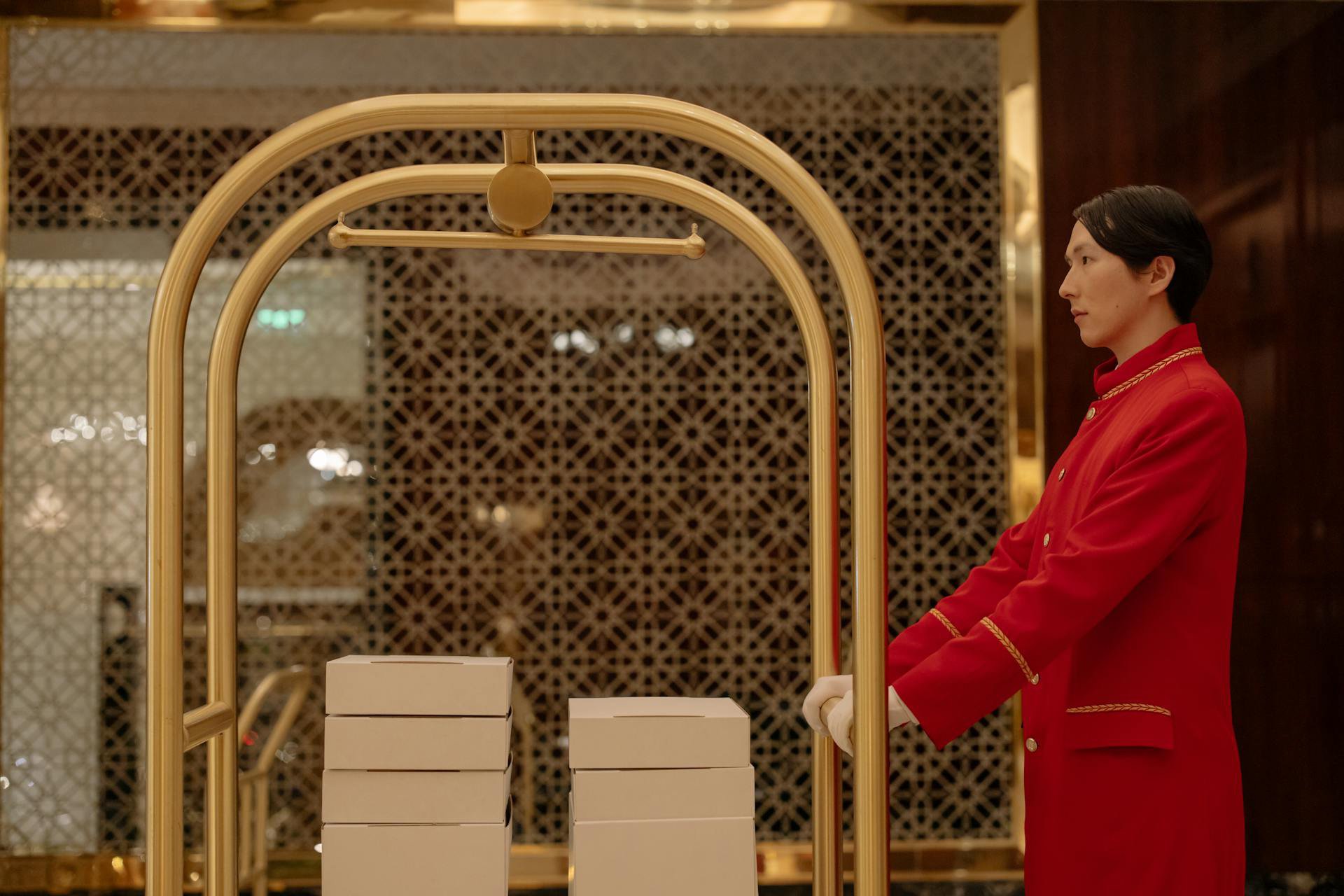
Your staff are the most direct expression of your brand, and in luxury, every interaction carries weight. Beyond product knowledge, they need to genuinely understand the mindset of a luxury customer: their expectations, their sensitivities, and the standards they hold a brand to.
Role-playing exercises and VIP interaction simulations are practical ways to build this muscle before it's tested in real situations.
Bringing in specialists to design training around the specific demands of the luxury segment is also worth considering. Equally important is giving your team a sense of purpose they can connect with, because staff who understand why the work matters tend to deliver it better.
Align your KPIs with luxury
In the luxury segment, your Key Performance Indicators (KPIs) are not the same as everyone else's. Think about Customer Service Excellence metrics that are truly relevant within the luxury segment:
- Index of Satisfaction in Exclusive Events Experience: Create a framework for evaluating your customers’ perception and experience.
- Customer Word-of-Mouth Value: Evaluate the impact of your customers' recommendations on new customers and additional sales.
- Purchase Exclusivity Index: Measure how many exclusive or limited-edition products a customer buys in relation to their total purchases.
- Expectations Met Index: Ask your customers about their expectations before making a purchase and then evaluate if those were met or exceeded.
In broad terms, the luxury segment departs from the generalities, standardization, and scalability (producing as much as possible with the minimum possible resources) of the general market.
This should be taken into consideration in every action you undertake as a leader, from a customer profile study to the selection of KPIs for your strategy.
FAQs
Customer experience is one of those topics where the more you dig in, the more questions come up. Whether you're new to the luxury segment or looking to sharpen what you already know, the basics are worth revisiting.
From foundational frameworks that have stood the test of time to the unwritten rules that separate good service from genuinely great service, here are answers to some of the questions we get asked most often.
What are the 4 Ps of customer experience?
The 4 Ps of customer experience are a practical framework for delivering consistently strong service across every touchpoint:
- Personalization: Tailoring every interaction to the individual customer rather than applying a one-size-fits-all approach.
- Proactivity: Anticipating customer needs before they're voiced, rather than simply reacting to them.
- Problem-solving: Resolving issues swiftly and effectively when they arise, without making the customer work for it.
- People: Recognizing that no process or technology replaces the impact of a well-trained, genuinely engaged team.
What is the 10, 5, 3 rule in customer service?

The 10, 5, 3 rule is a simple guideline for how staff should acknowledge and engage with customers based on physical proximity. It originated in the hospitality industry but translates well to any luxury service environment:
- 10 feet: Make eye contact and offer a warm smile to signal that you've noticed the customer.
- 5 feet: Greet them verbally with a friendly, natural acknowledgment.
- 3 feet: Engage directly, offering assistance or a personal welcome.
Small gestures, consistently applied, go a long way in making a customer feel seen and valued from the moment they walk in.
What is the 30 second rule in customer service?
The 30 second rule is straightforward: any customer who enters your space should be acknowledged within 30 seconds of arrival. It doesn't need to be a full greeting or an offer of assistance, even just eye contact and a nod communicates that they've been noticed.
In luxury especially, those first few seconds set the tone for the entire experience, and being made to feel invisible is rarely something a customer forgets.
ELI5: What is a luxury customer experience?
Imagine walking into a shop where everyone knows your name, remembers what you like, and makes you feel like the most important person in the room. Nothing feels rushed, everything looks and feels beautiful, and whatever you need is taken care of before you even have to ask.
You leave feeling special, not just because of what you bought, but because of how the whole experience made you feel. That's luxury customer experience.
Elevating Your Luxury Service Strategy
The luxury market rewards the brands that take every detail seriously, from the way a customer is greeted to the values a brand stands for. The principles and actions covered in this article won't transform your customer experience overnight, but applied consistently, they build something that's genuinely hard to replicate.
Start with what you know about your customers, close the gaps, and keep raising the bar. In luxury, good enough rarely is.