Earning a Michelin star is one of the most mythologised achievements in the culinary world. Young cooks talk about it like a distant summit, while seasoned chefs know it represents years of repetition, discipline, and an unrelenting pursuit of precision.
The irony is that the question itself is slightly misframed. Chefs don’t earn Michelin stars. Restaurants do. Yet the chef’s hand is unmistakable in every detail that leads to that recognition, from the philosophy behind a dish to the culture of the kitchen that executes it night after night.
Understanding how chefs contribute to a starred restaurant means looking beyond the popular image of creative genius. It involves technique, leadership, consistency, and the ability to inspire a team to operate at a level where mistakes aren’t merely corrected but anticipated.
This article explores the chef’s role in earning Michelin stars, how aspiring chefs can get started, and why a culinary degree alone won’t carry you to the level where inspectors take notice. It also looks at the system itself, including the pressure it creates, the way it shapes careers, and the critiques raised by some of the industry’s most influential voices.
The Michelin System: Who Gets the Stars?
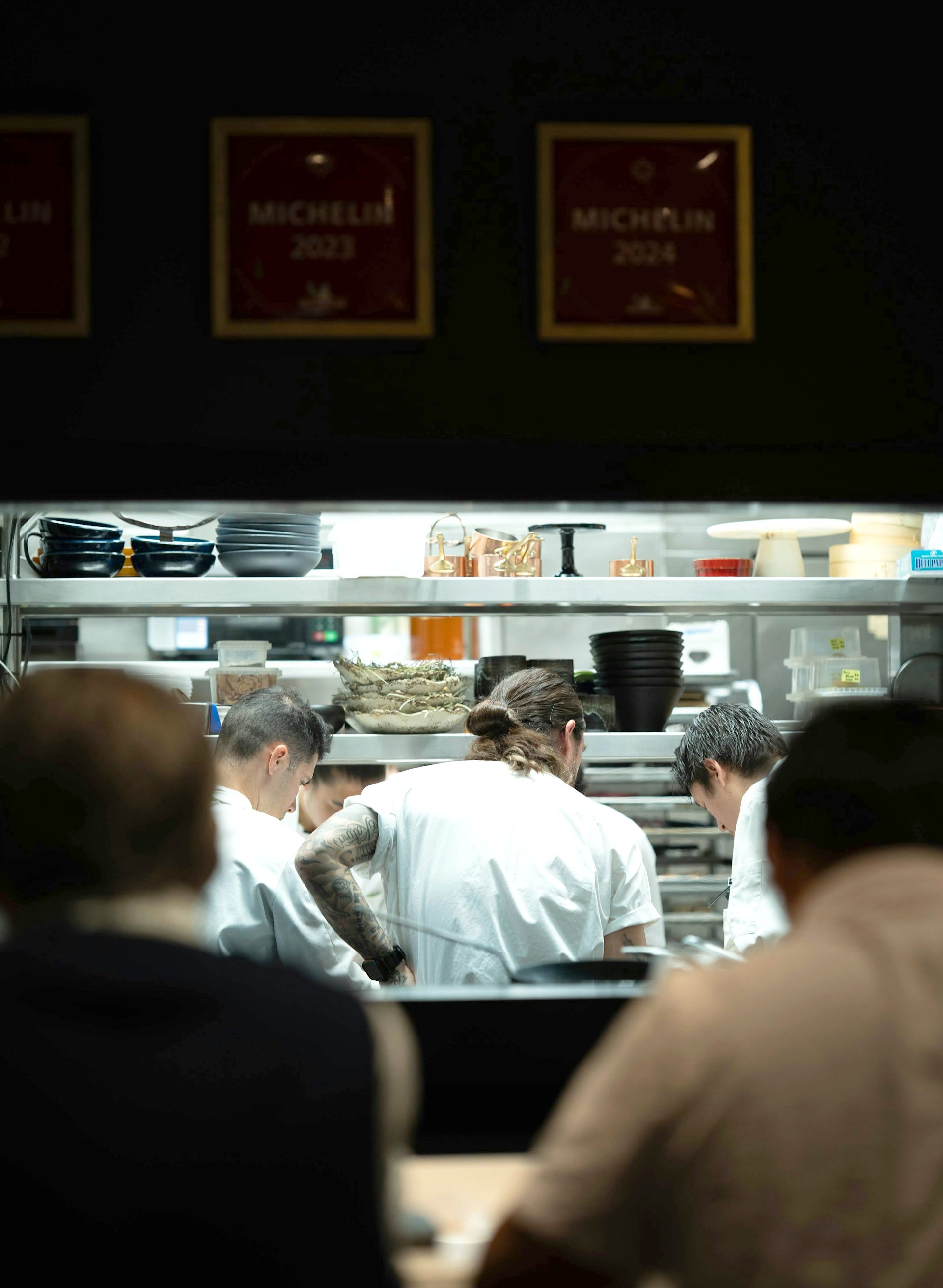
Before anything else, it’s important to clear up a common misconception. Michelin stars are awarded to restaurants, not individual chefs. The guide evaluates the dining experience as a whole, which means the recognition technically belongs to the establishment rather than the person leading the kitchen.
Still, a chef’s influence shapes almost everything that earns that distinction. Their leadership sets the tone, their creativity drives the menu, and their systems determine whether dishes are executed the same way on a slow Tuesday as they are on a fully booked Saturday night.
A Michelin-starred restaurant is the product of many people pulling in the same direction, each contributing to a standard of excellence that the chef defines and reinforces every day.
Marco Pierre White captured this dynamic clearly when he said:
“I never earned the three Michelin stars; the men and women who were with me in the kitchen did. They were the orchestra creating the symphony, and I was ultimately just the composer and conductor.”
Michelin inspectors focus on five core criteria when assessing a restaurant: the quality of the ingredients, mastery of cooking techniques, clarity and harmony of flavours, the chef’s personality expressed through the cuisine, and consistency across visits.
They eat anonymously and return multiple times, sometimes in different seasons, to see whether the restaurant performs at the same level regardless of who is on the line or how busy the dining room is.
This is also why stars don’t automatically “follow” a chef when they leave a restaurant. If a head chef moves on, the stars stay with the establishment until inspectors reassess the food under the new leadership.
What does follow the chef is their reputation, which can carry enormous weight. A chef with a proven record of leading a starred kitchen will attract investors, diners, and talented cooks long before the new restaurant earns its own recognition.
Practical Advice for Aspiring Chefs
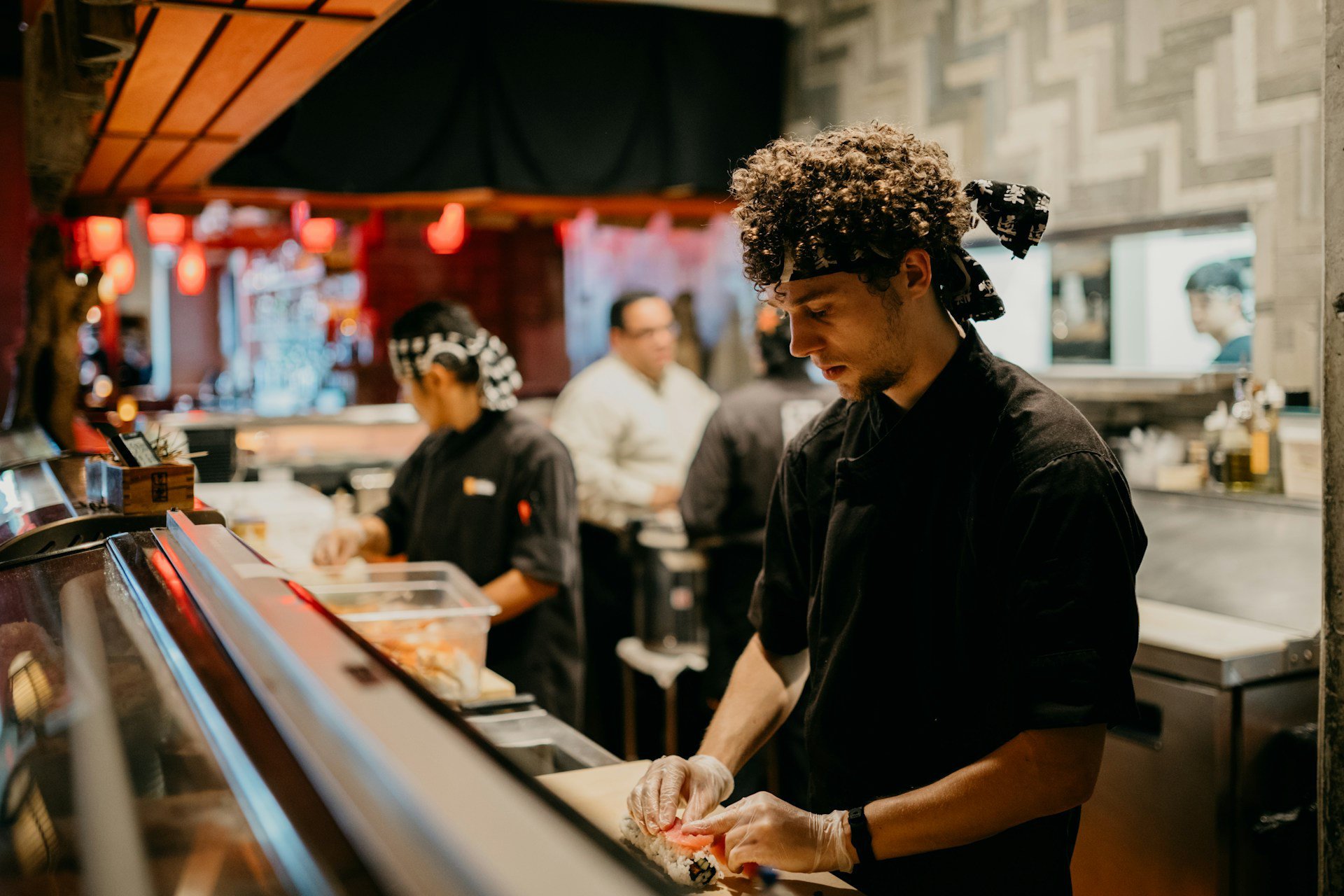
If you’re asking how a chef earns a Michelin star, you’re likely an aspiring cook imagining what it takes to one day lead a kitchen that gets recognised at that level. It’s a worthy ambition, but it demands far more than talent or passion.
The chefs who eventually contribute to starred restaurants usually begin with simple, strategic decisions that place them in the right environments early in their careers.
The first is location. Moving to a major culinary city dramatically increases your exposure to serious kitchens. Cities with competitive dining scenes offer more opportunities to learn under experienced chefs, more chances to work with ambitious peers, and more restaurants operating at the standard that Michelin evaluates.
From there, finding openings becomes a matter of persistence. Platforms like Culinary Agents, local hospitality forums, and even restaurant Instagram accounts often list entry-level roles, stages, or last-minute vacancies.
What separates those who progress is not résumé polish but mindset. Michelin-level kitchens value cooks who show up early, listen carefully, and ask smart questions.
Being humble enough to take on repetitive prep tasks, reliable enough to earn trust quickly, and eager enough to keep improving even when the work feels monotonous all signal that you can handle the environment.
Networking also matters more than most beginners realise. Staying connected with colleagues, chefs, and mentors often leads to opportunities that never get publicly advertised.
Today’s sous chef could become the person who recommends you for your first serious position or invites you to join a new opening down the line. Here’s how most chefs actually get there.
The Traditional Path
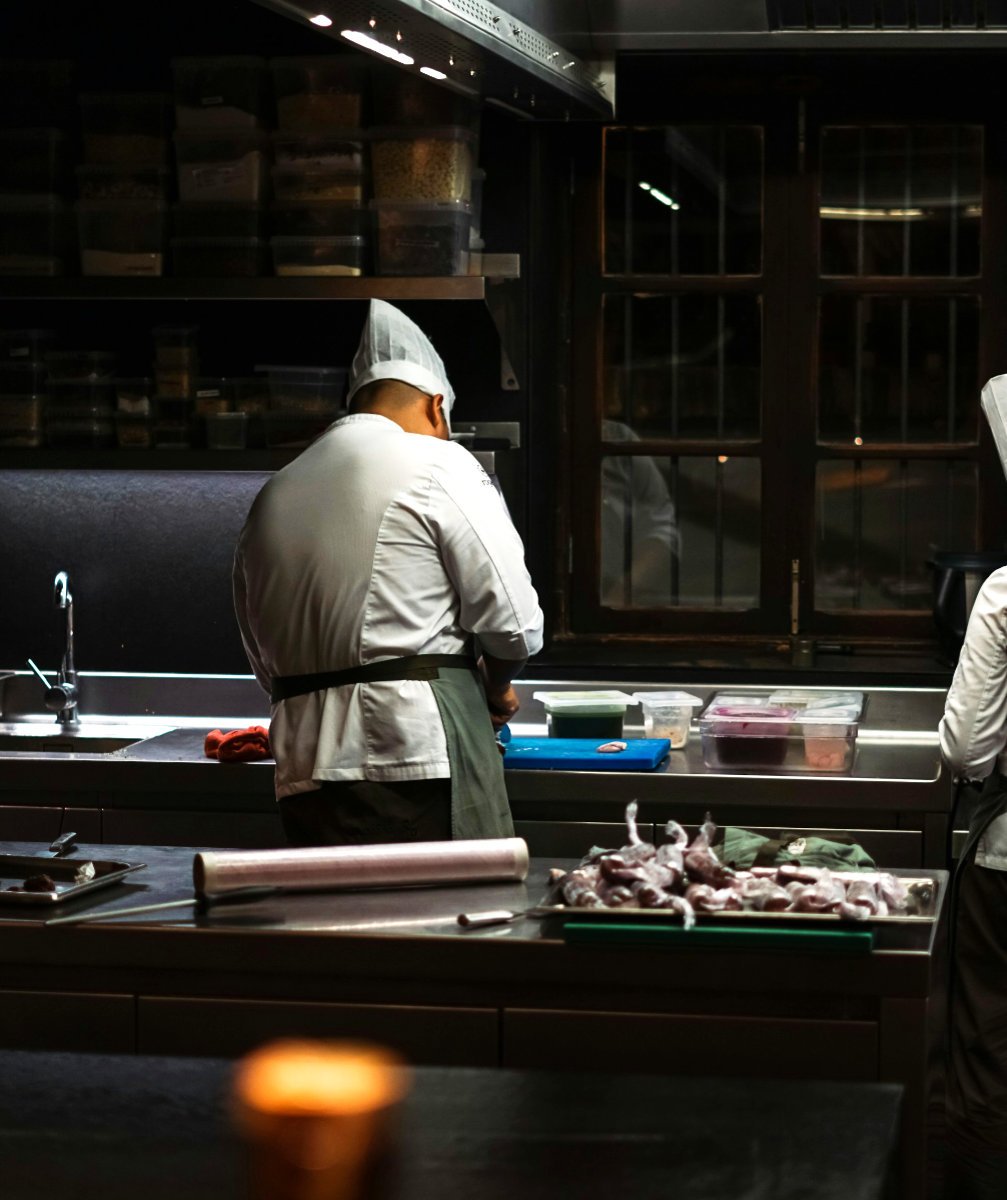
Most chefs who eventually work in Michelin-level kitchens follow a familiar progression. It’s slow, demanding, and often unglamorous, but it’s also the path that teaches the habits and discipline these kitchens rely on. The core roles in a fine dining brigade include:
- Commis: This is where almost everyone starts. As a commis, your job is to learn the basics: knife skills, mise en place, organisation, and discipline. You’ll peel vegetables, portion proteins, label containers, and repeat tasks until they’re second nature. It’s foundational work that builds speed, accuracy, and consistency. It’s not glamorous.
- Chef de Partie (CDP): Once you’ve proven yourself, you’re trusted with a station. As a CDP, you’re responsible for executing dishes flawlessly, managing your prep, and coordinating with other stations during service. This is where you refine technique and learn to handle pressure without letting standards slip.
- Sous Chef: The sous chef steps into management. You’re now responsible for staff training, ordering, scheduling, and keeping service running smoothly. It’s often described as the hardest leap because technical skill alone isn’t enough; you need situational awareness, calm under pressure, and the ability to support the entire team.
- Chef de Cuisine (CDC): At this level, you’re balancing creativity, leadership, and business considerations. You collaborate on menu development, maintain relationships with suppliers, and set the tone for how the kitchen operates. The CDC shapes the restaurant’s identity as much as the food itself.
Breaking into Michelin-level restaurants usually means accepting that your first tasks will feel extremely “low level” compared to what people imagine. Ego becomes a liability here. A good attitude is non-negotiable.
It involves taking feedback without defensiveness, preparing properly before each shift, working clean, and showing you can be trusted to fix mistakes quickly. In a high-pressure kitchen, attitude and reliability matter as much as talent.
There are two typical entry points:
- Landing a commis position at a 2- or 3-star restaurant: This is the most common route. You start at the bottom and absorb the standards, structure, and discipline of a top-tier kitchen.
- Starting as a chef de partie at a 1-star restaurant: Some cooks enter slightly higher up the ladder by proving competence in a less demanding starred environment before advancing to multi-star kitchens.
That said, most chefs follow a progression that looks like this:
Commis → Chef de Partie (CDP) → Sous Chef → Executive Sous → Chef de Cuisine (CDC)
Each step tests a different part of your skill set, and promotions aren’t always linear. It’s common for chefs to step into a role at a new restaurant and temporarily take a “lower” position, such as moving from sous chef back to CDP, to learn a new style, technique, or brigade system.
Learn From the Best: Mentorship Under a Starred Chef
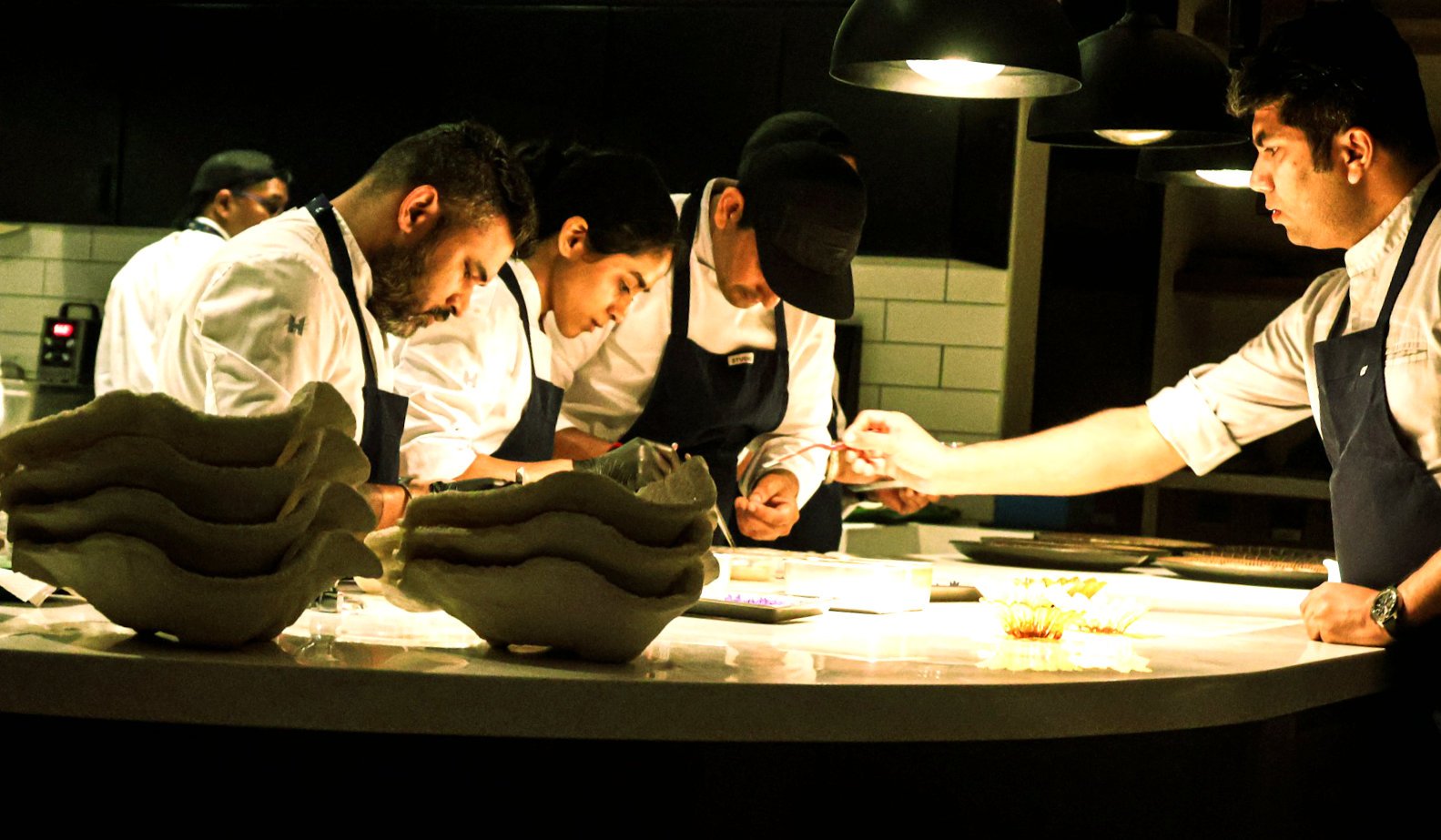
Most chefs who eventually succeed at the Michelin level spend years learning under mentors who already operate in starred environments. Working in one-, two-, or three-star kitchens exposes young cooks to standards that can’t be taught in school: discipline, timing, tasting constantly, and understanding how a brigade moves as a single unit during service.
It also teaches the unwritten rules of fine dining, from how chefs communicate during high pressure to how ingredients are respected and handled.
Many cooks build their foundation through short-term stages or scholarship programs that place them in influential restaurants around the world, including opportunities to train at places like Boragó, where exposure to new ingredients and philosophies broadens their approach to food.
These experiences often reshape a young chef’s understanding of creativity and technique, and they create relationships that open doors later in their career.
Beyond Cooking: Leadership, Management, and Money
Reaching Michelin level involves a lot more than cooking beautifully; it also depends on whether a chef can run a kitchen as a disciplined, functioning business. As cooks move into senior roles, they’re suddenly responsible for inventory control, budgeting, vendor relationships, training new staff, and maintaining consistency across every service.
Many talented technicians struggle at this stage because they’ve never learned how to delegate, communicate clearly, or make decisions that balance creativity with cost.
A Michelin kitchen relies on systems as much as inspiration, and the chefs who thrive are the ones who understand scheduling, waste reduction, workflow, and staff development just as well as they understand flavour.
Creativity might get people through the door, but it’s discipline, management, and operational awareness that keep a restaurant performing at a level worthy of recognition.
Opening Your Own Restaurant
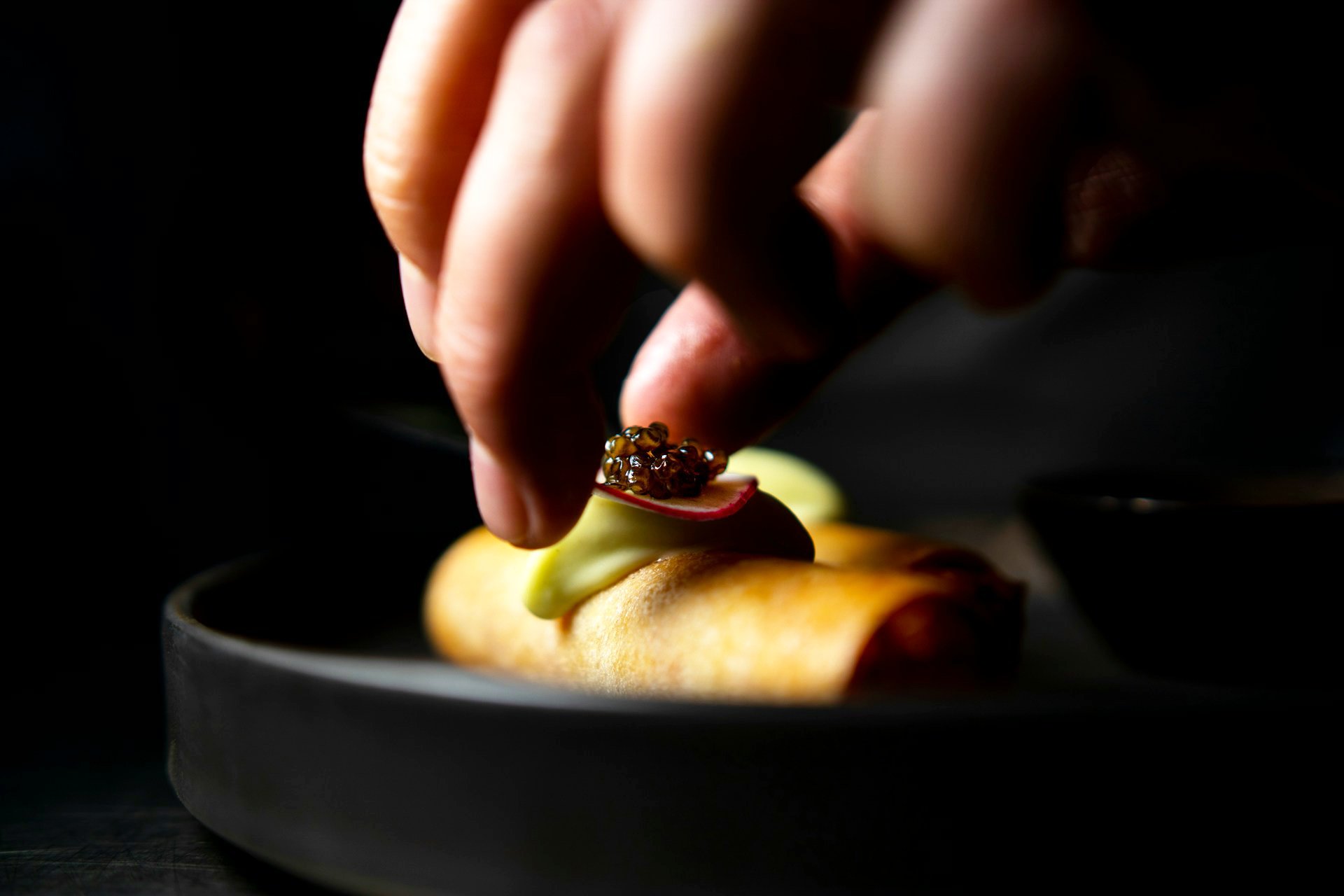
Many chefs choose to open their own restaurant only after years of working in high-calibre kitchens, building a reputation for reliability, creativity, and leadership. The decision usually comes when they feel ready to articulate a point of view that isn’t shaped by someone else’s menu or philosophy. At this stage, their network becomes invaluable.
Former colleagues join the opening team, mentors offer advice, and investors are far more willing to back a chef who has already proven themselves in a starred environment. Experience also plays a major role.
Chefs who have run services at a high level understand the operational challenges that come with opening a restaurant, from designing a kitchen that actually works to creating systems that keep quality consistent from day one.
When a starred chef opens a new restaurant, there’s immediate attention and expectation. The space starts without any official recognition, but the chef’s name alone can fill reservation books long before opening night.
What doesn’t transfer are the stars themselves; Michelin judges each restaurant independently, meaning the new venture must earn its accolades from scratch. Still, reputation carries weight.
Diners, critics, and inspectors are all aware of the chef’s history, and that context shapes the early momentum of the restaurant. Most chefs spend months or years refining their concept before inspectors ever step through the door, adjusting everything from menu structure to sourcing philosophy to ensure the restaurant feels fully formed when it finally opens.
Earning recognition is rarely immediate; it’s the result of slow, deliberate refinement that builds on everything the chef has learned up to that point.
Before You Chase the Stars, Ask What They Mean to You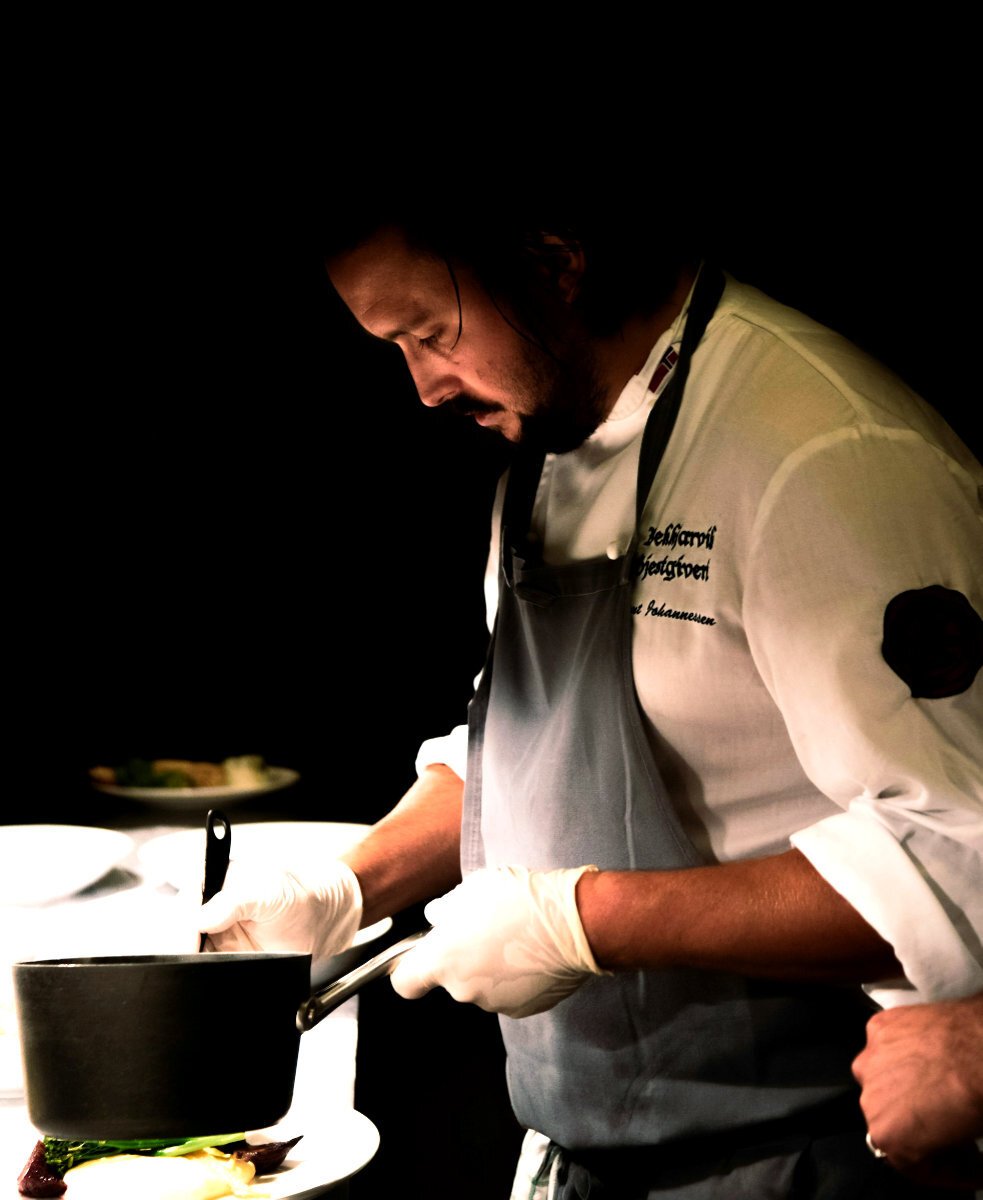
Earning a Michelin star is an admirable ambition, but it’s worth pausing to consider what that pursuit actually involves. The discipline, the long hours, and the constant pressure to meet an external standard can reshape not only your cooking but your relationship with the craft itself. For many chefs, the challenge is motivating and sharpens their skills.
For others, the chase becomes so consuming that it overshadows the satisfaction of simply creating good food for people who enjoy it. Asking yourself what you want from your career early on helps you decide whether the Michelin path supports that vision or pulls you away from it.
Marco Pierre White, once the youngest chef to earn three stars, later returned them and distanced himself from the expectations they created. His point wasn’t that Michelin restaurants lack merit, but that stars are awarded by an external institution whose priorities don’t always align with a chef’s personal sense of meaning.
He famously argued that many restaurants become “soulless” when they focus more on pleasing inspectors than on cooking with individuality. It’s a useful reminder, echoed in cultural critiques like the film The Menu, which explores how ambition, pressure, and external validation can distort the very passion that drew chefs into the kitchen in the first place.
The takeaway isn’t to avoid big goals, but to make sure the pursuit of recognition doesn’t overshadow the simple, enduring joy of cooking with integrity.
Keeping Your Craft at the Center
The path toward Michelin recognition is demanding, inspiring, and often unpredictable, but it’s ultimately just one of many ways to build a meaningful career in food.
Whether you choose to pursue stars or simply focus on running a thoughtful, well-run kitchen, the throughline is the same: developing your skills, learning from people you respect, and holding on to the curiosity that brought you into the industry in the first place.
If you stay committed to growth and surround yourself with strong mentors and teams, you’ll build a career that feels rewarding regardless of where the guide lands, and that’s a win in any kitchen.