Switzerland has long been associated with wellness, but not all spas serve the same purpose or offer the same kind of experience.
Some are destinations in their own right, built around medical science and longevity. Others centre on thermal bathing traditions, alpine settings, or refined hotel-led retreats. Then there are regional facilities that prioritise accessibility and everyday wellbeing.
To make sense of this range, this guide groups Switzerland’s standout spas into clearly defined categories. Whether you are planning a dedicated wellness stay or a short restorative break this guide provides a practical starting point.
Iconic Thermal Bathing Destinations
Switzerland’s spa tradition predates modern wellness entirely. Long before spas became curated experiences, thermal baths served as communal spaces for recovery, routine, and social exchange.
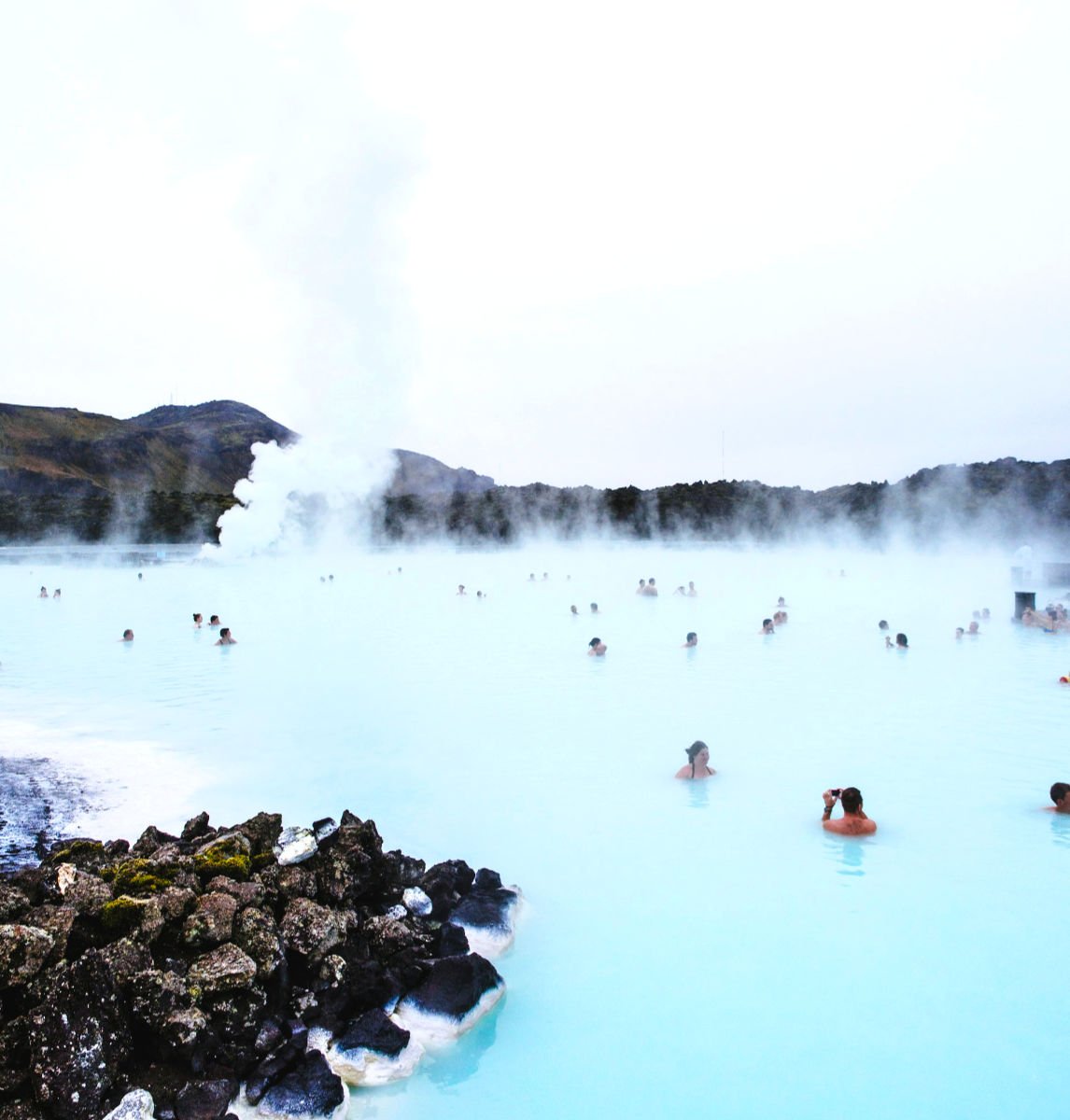
The destinations listed below are rooted in this long-standing bathing culture. Architecture often plays a defining role, guiding how visitors move through the space and shaping the experience of the water. Treatments, if offered at all, are secondary to bathing itself.
Guests come to soak, move between pools, steam rooms, and saunas, and spend unhurried time in thoughtfully designed environments. Day visits are common, and the experience is typically shared rather than private.
7132 Therme (Vals)
7132 Therme is one of Switzerland’s most recognisable bathing experiences. It sits at the edge of the alpine village of Vals, with the baths built directly into the mountainside.
The structure is constructed from locally sourced Valser quartzite, and the interior is organised as a sequence of pools and bathing rooms arranged around changes in temperature, light, and sound. However, you’ll find that the experience here is stripped back.
Thermal water flows through pools set at varying depths and temperatures, encouraging slow movement between spaces rather than a fixed route. The design limits visual distraction, keeping the focus on bathing itself. Treatments and spa services are intentionally absent.
Outside the baths, Vals remains quiet and largely residential. 7132 Therme suits those who value atmosphere, design, and ritualised bathing over service-led spa experiences, and it remains one of the clearest expressions of Switzerland’s thermal bathing culture.
FORTYSEVEN (Baden)
FORTYSEVEN is Baden’s contemporary take on thermal bathing, built around the town’s long association with hot springs. Located close to the river and rail links, it functions primarily as a day-visit facility, drawing both locals and visitors passing through the region.
The complex is large and modern, with a mix of indoor and outdoor pools, saunas, and relaxation areas organised around temperature and flow rather than treatments. Movement through the space is largely self-directed, and time is spent circulating between water, heat, and rest. While the design is clean and considered, the atmosphere can feel busy, especially at peak times.
FORTYSEVEN suits those looking for accessible, water-led wellness without the commitment of a longer stay. It reflects Baden’s role as a historic bathing town, interpreted through a contemporary, high-capacity public facility rather than a resort or hotel spa model.
Integrated Luxury Spa Resorts
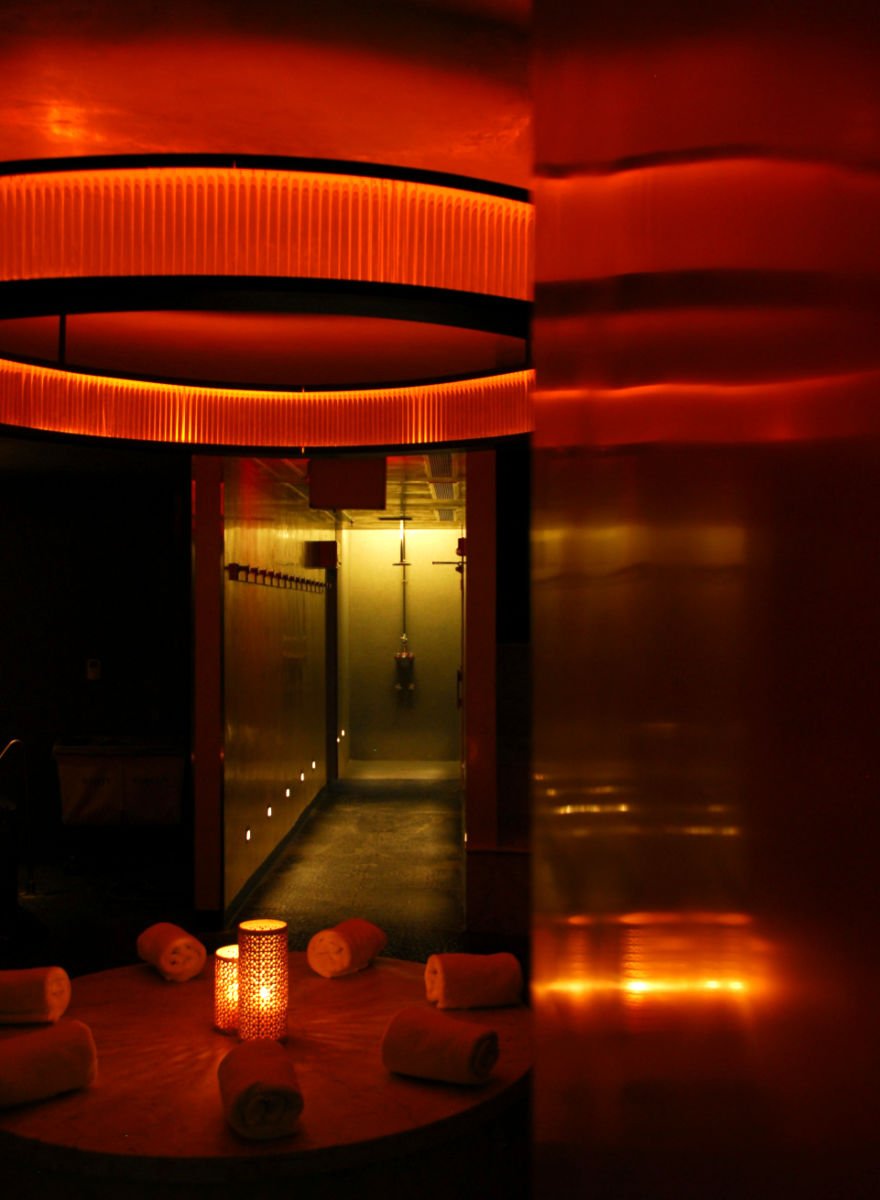
Some spa destinations are designed to be experienced in full, not dipped into. In Switzerland, these large-scale resorts bring spa, accommodation, dining, and setting together into a single, carefully orchestrated whole.
Wellness facilities are extensive and professionally run, designed to support multi-day stays where time is divided naturally between treatments, dining, and the surroundings.
This category suits travellers looking for a complete, self-contained retreat. Stays tend to span several nights, with the experience shaped by comfort, service, and setting rather than clinical structure.
Grand Resort Bad Ragaz
Grand Resort Bad Ragaz works as a single, integrated stay where thermal baths, medical services, restaurants, rooms, and gardens all operate as parts of one experience. The resort sits on the site of the Tamina spring, which has been used for healing since the 19th century, and that thermal legacy remains central to how the place is organised.
The spa offering includes multiple thermal pools and saunas, alongside the Tamina Health centre for more medically framed programmes and diagnostics.
Accommodation ranges from heritage Grand Hotel wings to modern spa suites and large penthouses, some of which include private steam rooms and saunas.
Dining is a deliberate part of the resort’s proposition. Small-format, high-skill venues such as IGNIV and the Memories restaurant sit alongside more casual options, making culinary planning part of a wellness stay rather than an afterthought.
Recent specialist programmes, including gut health and personalised wellness tracks, show how the resort blends clinical work with hospitality for guests aiming for measurable outcomes.
Bürgenstock Resort
Bürgenstock is a large, self-contained resort set high above Lake Lucerne, with wellness woven into almost every part of the experience. The Alpine Spa is one of the resort’s defining features, but it operates as part of a much broader ecosystem that includes multiple hotels, restaurants, and outdoor spaces spread across the mountain plateau.
The spa itself is expansive, with indoor and outdoor pools, treatment areas, and thermal zones designed to support unhurried, multi-day stays.
Views over the lake are a constant presence, but the scale of the facilities means the experience is less about intimacy and more about range and choice. Guests tend to move fluidly between spa time, dining, and walks along the resort’s extensive paths.
Bürgenstock suits travellers looking for a polished, all-encompassing retreat where everything is taken care of on site. It functions as a destination in its own right, rather than a hotel with a spa attached.
Lenkerhof Gourmet Spa Resort
Lenkerhof Gourmet Spa Resort sits just below the Betelberg slopes in Lenk in the Bernese Oberland, where a history as a Kurhaus stretches back centuries and the surrounding mountains form the backdrop for stays that blend outdoor activity with refined hospitality.
The property is a 5-star superior hotel and a Relais & Châteaux member with 83 rooms and suites designed for comfort, many offering mountain views and spacious bathrooms.
Wellness is centred on the 7sources beauty & spa, named for the seven springs that feed the Simme valley. The spa includes indoor and outdoor pools, a Finnish sauna, steam baths, hot tubs, and a range of massages and beauty treatments, with the outdoor pool framed by alpine panoramas.
Dining is a significant part of the stay, with three on-site restaurants ranging from the gourmet-oriented Spettacolo to a Mediterranean-inspired option and a mountain restaurant, making meals an integral element rather than an afterthought.
Lenkerhof sits near the Lenk-Betelberg ski area, with winter sports and summer hiking easily accessed from the doorstep, and the spa often serves as the deliberate counterpoint to outdoor activity.
Ermitage Wellness & Spa Hotel
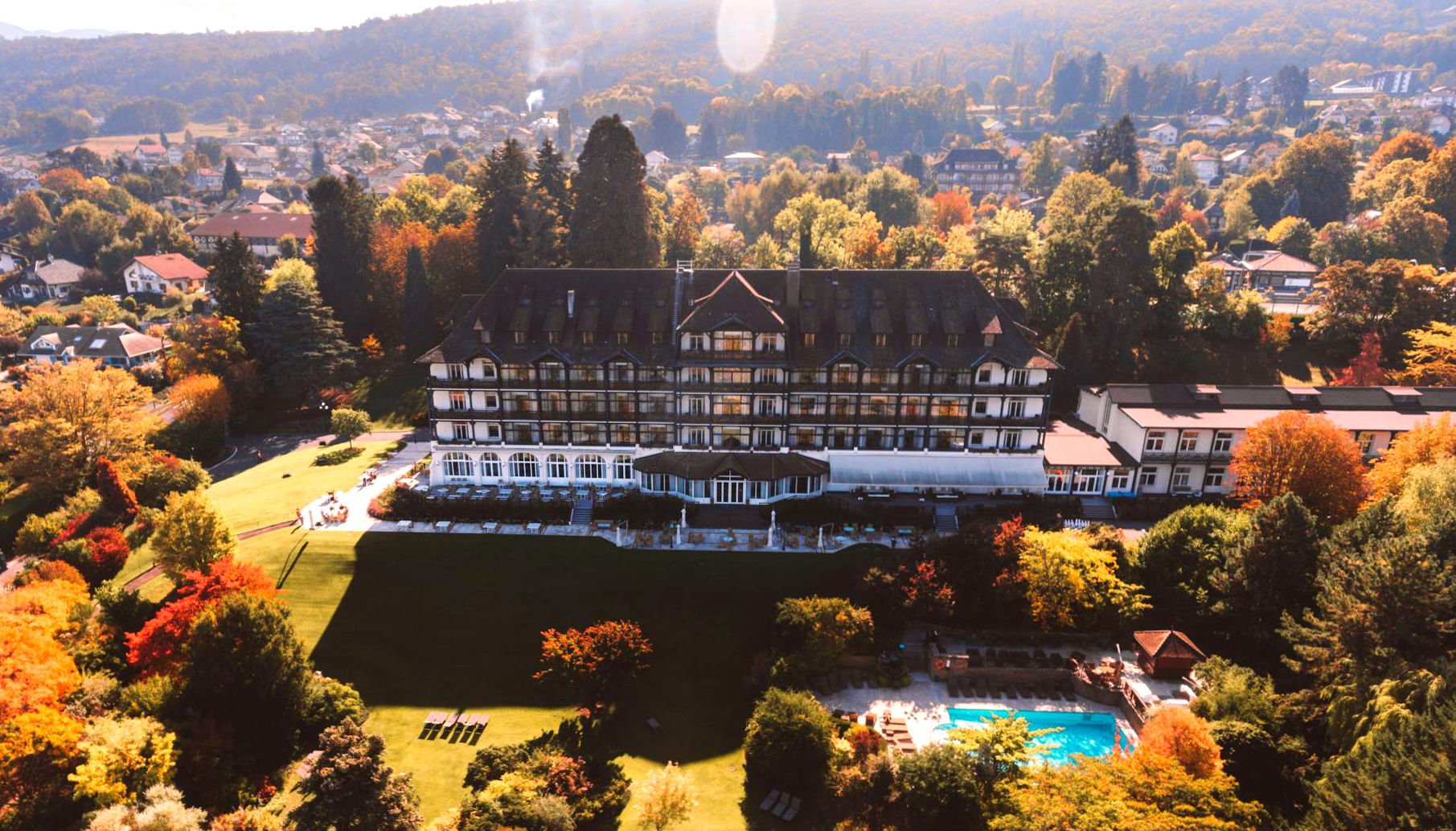
Ermitage Wellness & Spa Hotel sits on a sunny terrace above Gstaad in the village of Schönried, surrounded by park-style grounds and views over the Saanenland and nearby mountains.
The property is a five-star wellness hotel with a large spa area that includes indoor and outdoor saltwater pools, steam baths, multiple saunas, and a tepidarium, along with relaxation zones and treatment rooms.
The wellness space covers several thousand square metres and also offers a fitness centre, outdoor hot tub, and options for massages and beauty treatments. A portion of the spa is open to day guests, which gives local visitors and hotel guests alike access to the facilities.
Guest rooms combine traditional alpine furnishings with modern comforts, and many have balconies with valley or mountain views. On-site dining includes Ligurian and Swiss dishes in The Ermitage Stube and more casual options like Fondue Spycher, with kitchen offerings emphasising regional ingredients.
Ermitage also serves as a base for outdoor activities. Ski lifts, hiking routes, and guided walks are all accessible nearby, and the hotel arranges excursions and bike tours for guests.
Le Mirador Resort & Spa
Le Mirador Resort & Spa occupies a hilltop position above Vevey and Lake Geneva, sitting in the UNESCO-listed Lavaux vineyard region with wide views over the lake and the Alps. The main building dates back to 1904 and has evolved over time, combining a historic palace with modern wings and contemporary design elements.
The resort has around 64 rooms and suites, most with private balconies or terraces facing the water and mountains, and guests regularly highlight the panoramic vistas from bedrooms, common areas, and dining terraces.
The spa component, known as Mirador Spa by Alpeor, includes an indoor pool set beneath a glass roof, a jacuzzi, hammam, sauna, and treatment rooms. There is also a private Day Spa Suite with its own sauna, hammam, and jacuzzi for small groups or couples.
Dining is part of the integrated resort experience, with multiple on-site restaurants offering seasonal and international cuisine, including Le Patio and Hinata, a Japanese-inspired venue. The setting and facilities make Le Mirador suitable for stays that combine spa time with scenic exploration of the Lake Geneva region and the vineyards below.
Riffelalp Resort 2222 m
Riffelalp Resort 2222 m is a five-star hotel perched on a plateau above Zermatt at 2,222 metres, with direct ski-in/ski-out access in both winter and summer. The resort is reachable by the historic Riffelalp tram from the local Gornergrat railway station, a small connection that reinforces its high-mountain location and separation from the bustle of the village below.
Most of the roughly 70 rooms and suites have balconies with views toward the Matterhorn, and interiors feature modern comforts alongside more traditional alpine design touches.
The wellness area, known as Spa 2222 m, includes Europe’s highest outdoor pool heated to about 35 °C, an indoor pool, steam bath, Finnish and organic saunas, a hot tub, and a solarium. Massages and body treatments are available to book alongside these core facilities.
The resort also offers three on-site restaurants serving a range of cuisine from local specialties to international dishes, and guests can easily access hiking paths, ski lifts, and biking trails right from the property.
Riffelalp’s location and facilities make it a natural choice for travellers who want to combine alpine activity with a tailored spa experience within a compact, well-equipped hotel setting.
Kurhaus Cademario
Kurhaus Cademario sits on a hillside above Lake Lugano in the Ticino region, about 12 km from the city of Lugano, at roughly 850 metres above sea level. The hotel traces its origins back more than a century, originally founded as a year-round wellness destination and since expanded into a full-service spa hotel with panoramic views over the lake and surrounding Malcantone hills.
The property has around 82 rooms and suites, many with terraces or balconies that face the lake or gardens. Rooms are furnished with contemporary comfort and often include air conditioning and modern amenities, while some larger suites offer additional space and views.
At its centre is the 2,200 m² DOT Spa, a sizable wellness area with indoor and outdoor heated pools, saunas, steam baths, hammams, sensory showers, and spaces for personalised treatments.
Dining and relaxation are woven into the stay. On-site restaurants and bars serve regional and balanced cuisine, with many meals enjoyed with views over the lake. The hotel also sits amid gardens and paths suited to short walks, and offers activities such as yoga, hiking, or cycling.
Kurhaus Cademario operates as an adults-only retreat, focusing on calm, full-service wellness rather than hotel-style distractions, and the spa welcomes both overnight guests and external day visitors by reservation.
Medical & Clinical Wellness Retreats
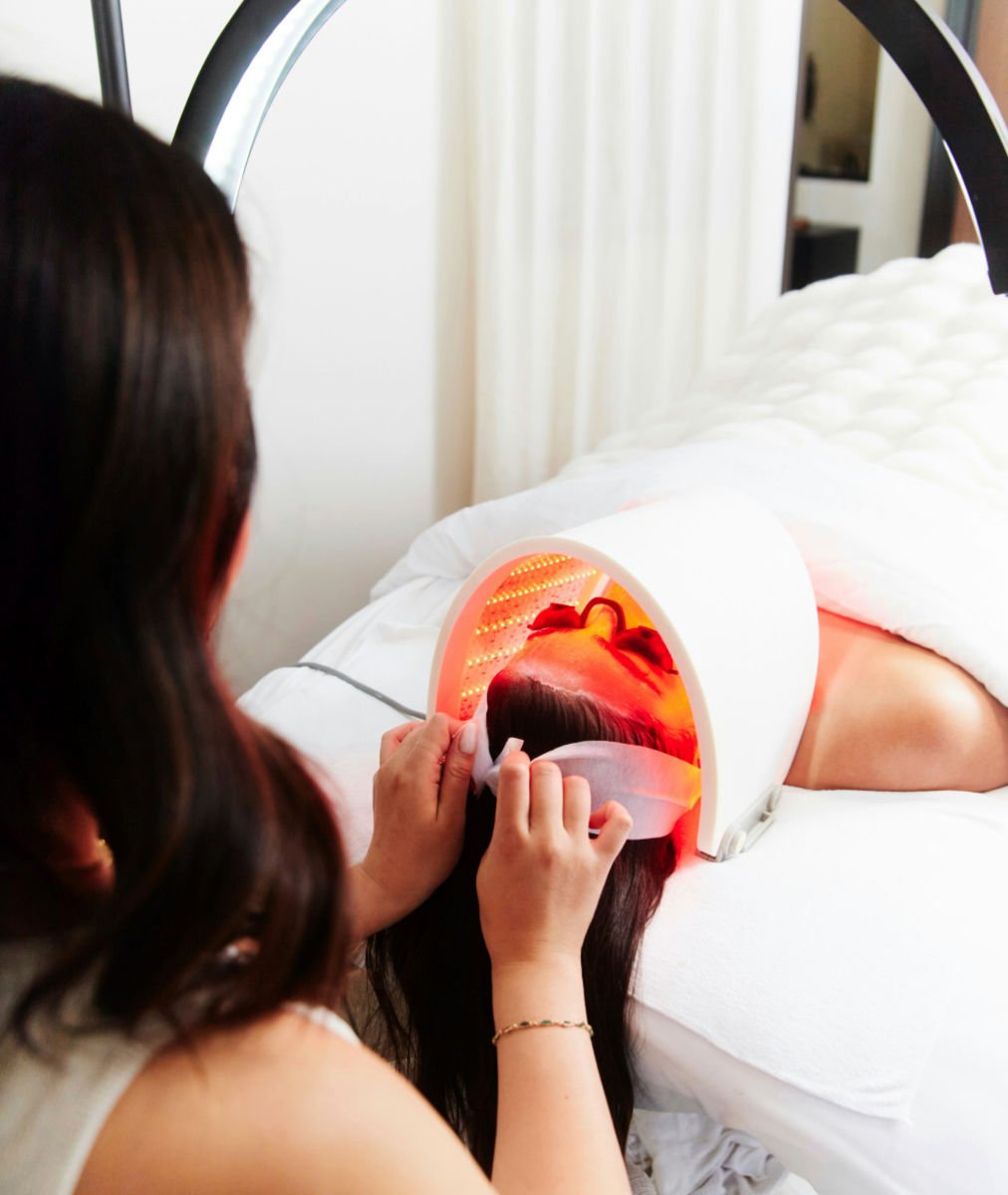
Not all wellness stays are about switching off. In Switzerland, some retreats are designed for people who arrive with a specific health goal in mind and expect more than a massage and a quiet pool.
These retreats sit at the far end of the wellness spectrum, where health outcomes matter more than indulgence, with a focus on longevity, metabolic health, stress, sleep, and rehabilitation.
Guests typically arrive with a specific objective and follow structured schedules shaped by medical assessments and professional oversight. Nutrition, movement, and recovery are tightly integrated, while spa facilities play a supporting role rather than taking centre stage.
The retreats below represent Switzerland’s most established medical and clinical approaches to wellness.
Clinique La Prairie
Clinique La Prairie is firmly positioned as a medical wellness destination rather than a spa retreat. People come here with a purpose, often for longevity, preventative health, or targeted optimisation, and the structure reflects that from the outset.
The setting is calm and discreet, with very little emphasis on spectacle. Days are organised around medical consultations, assessments, and personalised programmes, supported by nutrition, movement, and recovery. Spa elements exist, but they are clearly secondary to the clinical work.
It is an expensive stay, and that is part of the positioning. The value lies in access to medical expertise and individual attention rather than scale or indulgence. For guests who want health outcomes over atmosphere, it remains one of Switzerland’s most established options.
Clinique Lémana (at Mirador Resort & Spa)
Clinique Lémana is a long-standing Swiss clinic focused on anti-aging, revitalisation, stress resilience, and metabolic health, often paired with luxury hotel amenities. It’s known for medical check-ups, epigenetic and stress assessments, and personalised revitalisation programmes.
The clinic works in close connection with Le Mirador Resort & Spa, which softens the clinical structure without diluting it. Days are typically organised around consultations, prescribed treatments, and recovery, with access to the hotel’s wellness spaces providing a more relaxed rhythm between sessions.
This setting appeals to guests who want medical guidance without fully stepping away from a hotel environment.
Chenot Palace Weggis
Set on the shores of Lake Lucerne, Chenot Palace Weggis is organised around clearly defined health programmes that combine medical assessment with curated therapies.
Guests follow structured schedules shaped by diagnostics, daily treatments, guided movement, and tightly controlled nutrition, all designed to support metabolic health, stress resilience, and long-term balance.
The atmosphere is calm and disciplined without feeling austere. Days move at a steady pace, with time divided between treatments, consultations, light activity, and rest. Chenot Palace suits guests who value structure, consistency, and a clear framework for health improvement over open-ended spa time.
Regional & Public Wellness Facilities
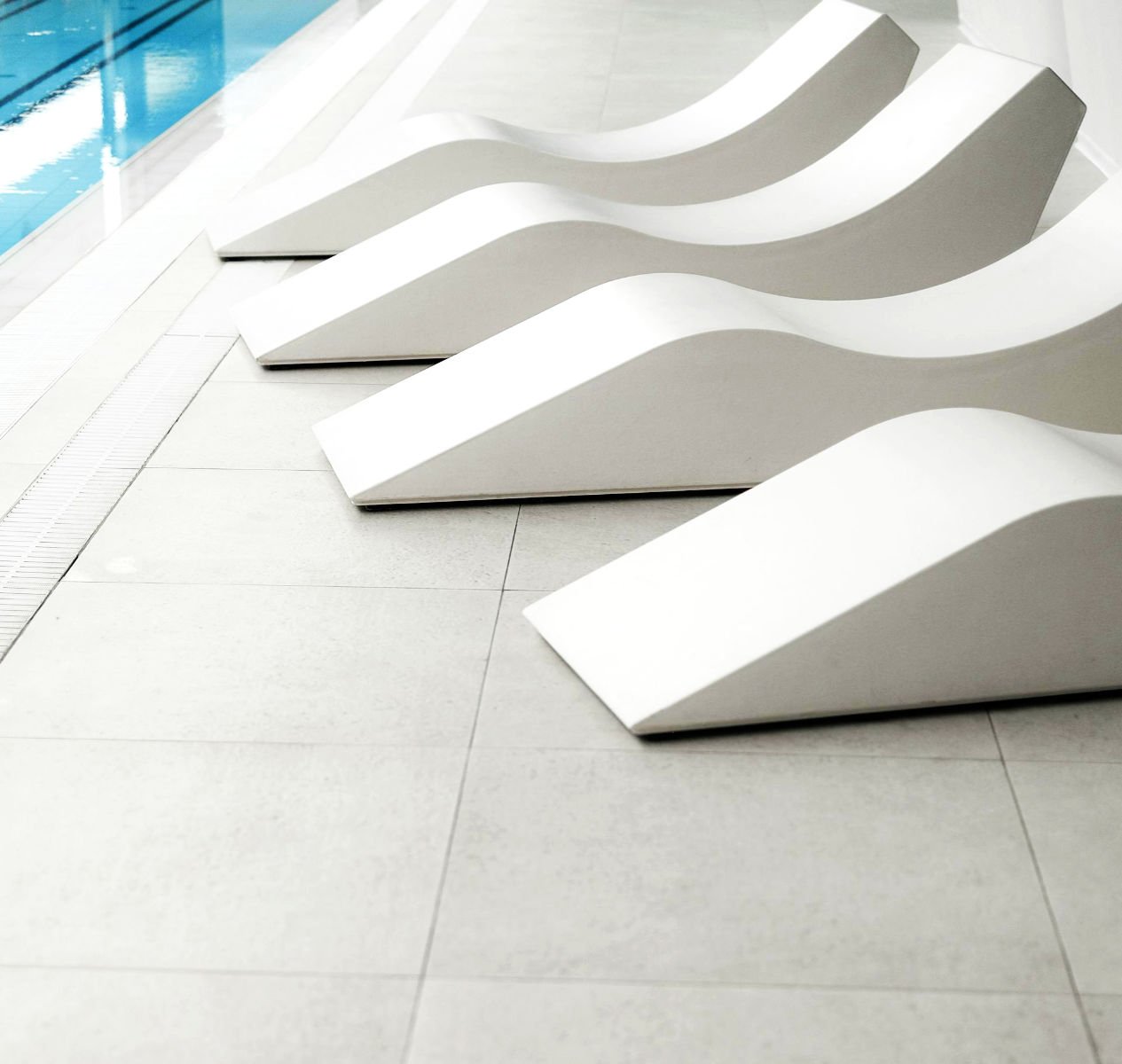
These facilities are designed for regular use rather than occasional escapes. The focus is on accessibility, practicality, and value, with wellness offerings that are easy to use and easy to return to.
Most centre on thermal pools, saunas, and essential recovery spaces, without the accommodation, dining, or layered service found at resort-style destinations. Visits are often spontaneous or part of a routine, and pricing is typically more approachable.
Their strength lies in convenience and consistency, not in destination appeal. Judging them by the same criteria as luxury resorts or boutique spa hotels would miss the point, which is why they sit in a category of their own.
Solbad & Spa Schönbühl
Solbad & Spa Schönbühl sits less than half an hour from Bern and is known for its large natural saltwater bathing area, which includes indoor and outdoor pools filled with warm brine water, along with a varied sauna section featuring a Finnish sauna, bio-sauna, and herbal steam bath.
It also offers additional services such as salt scrubs, massages, and spa rituals for those who want more than just bathing. The facility is set within parkland with easy access by car or public transport and is used regularly by locals alongside weekend visitors.
It’s practical rather than exclusive, and while some visitors find the space compact at peak times, many appreciate the warmth of the saline water and the straightforward mix of pools and saunas.
Sole Uno (Rheinfelden)
Sole Uno is a large wellness complex in Rheinfelden built around natural brine water sourced from local saltworks, with indoor and outdoor thermal saltwater pools, a banya (Russian sauna), waterfalls, and a broad sauna setting.
The bathing area includes warm saltwater pools with jets and bubble beds, a floating pool where high-salt water supports buoyancy, and a range of steam and sauna spaces. Visitors can also book infusions and rituals such as the Wenik sauna experience that includes birch-branch-led sessions and scrub elements.
Sole Uno is accessible by public transport from Basel and has practical amenities like a parking garage and on-site refreshment options. Admission prices and flexible ticket options make it suitable for day visits or shorter wellness breaks.
Finding the Right Fit
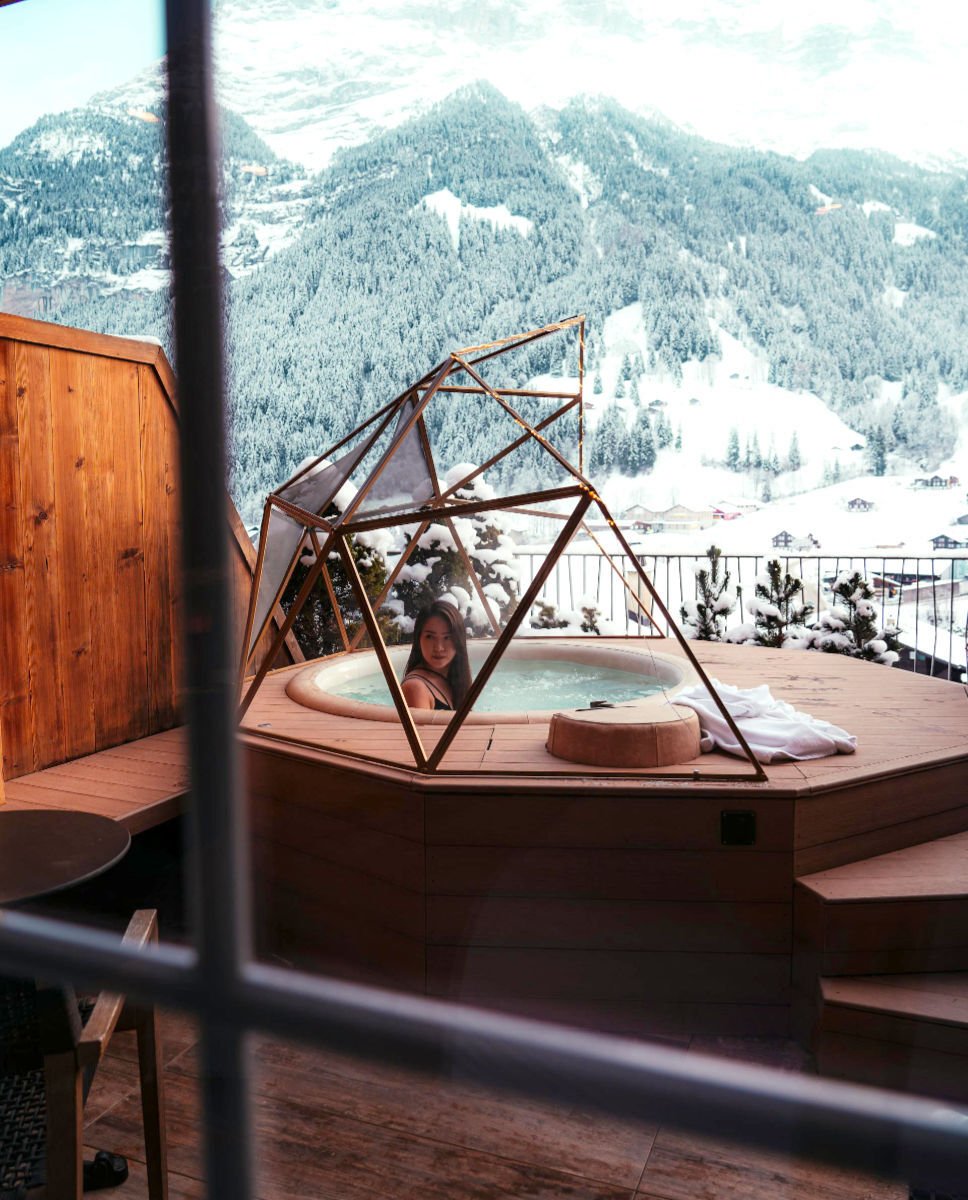
Switzerland doesn’t offer a single definition of wellness, and that’s the point. From clinical retreats built around diagnostics to thermal baths shaped by centuries of ritual, each place on this list serves a different purpose.
The key is knowing what you’re looking for before you book. Some stays reward structure and commitment. Others work best as a few quiet hours in warm water, no schedule required.
By understanding how these destinations differ, it becomes much easier to choose a place that fits your time, your budget, and your expectations. There’s no “best” spa here. Just the right one for where you are and what you need.